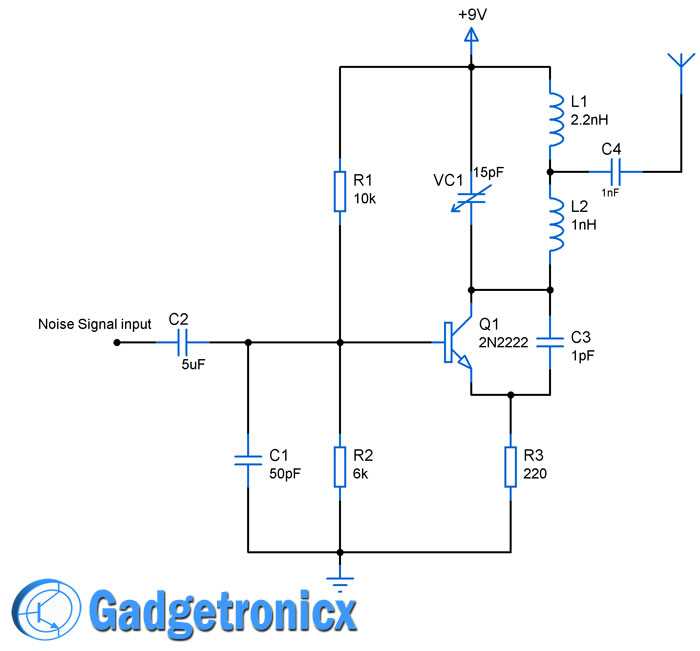
Use a regulated DC power source rated between 5 and 12 volts to prevent voltage spikes from damaging transistors and oscillators. Confirm polarity before connecting to avoid reverse current that could destroy sensitive components.
Use a regulated DC power source rated between 5 and 12 volts to prevent voltage spikes from damaging transistors and oscillators. Confirm polarity before connecting to avoid reverse current that could destroy sensitive components.
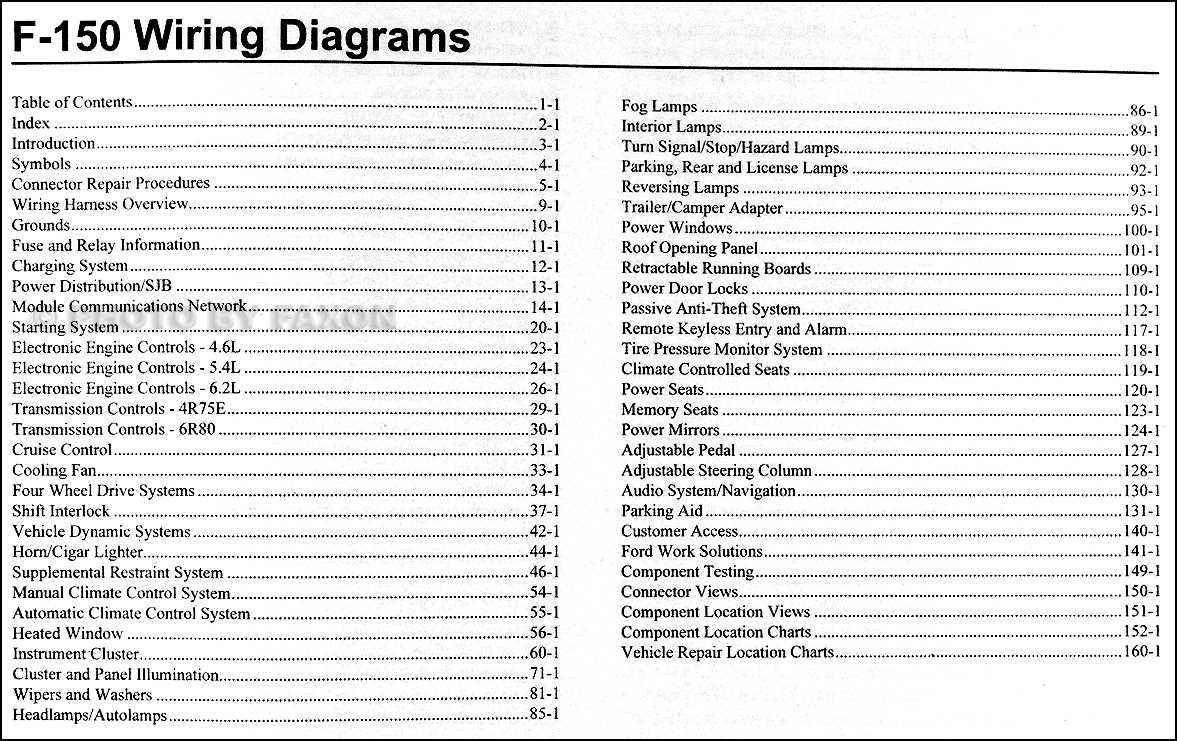
Locate the main harness under the dash and identify the primary connectors for power, ground, and speaker leads. Use a multimeter to confirm which lines carry constant and switched voltage before attaching any aftermarket components.
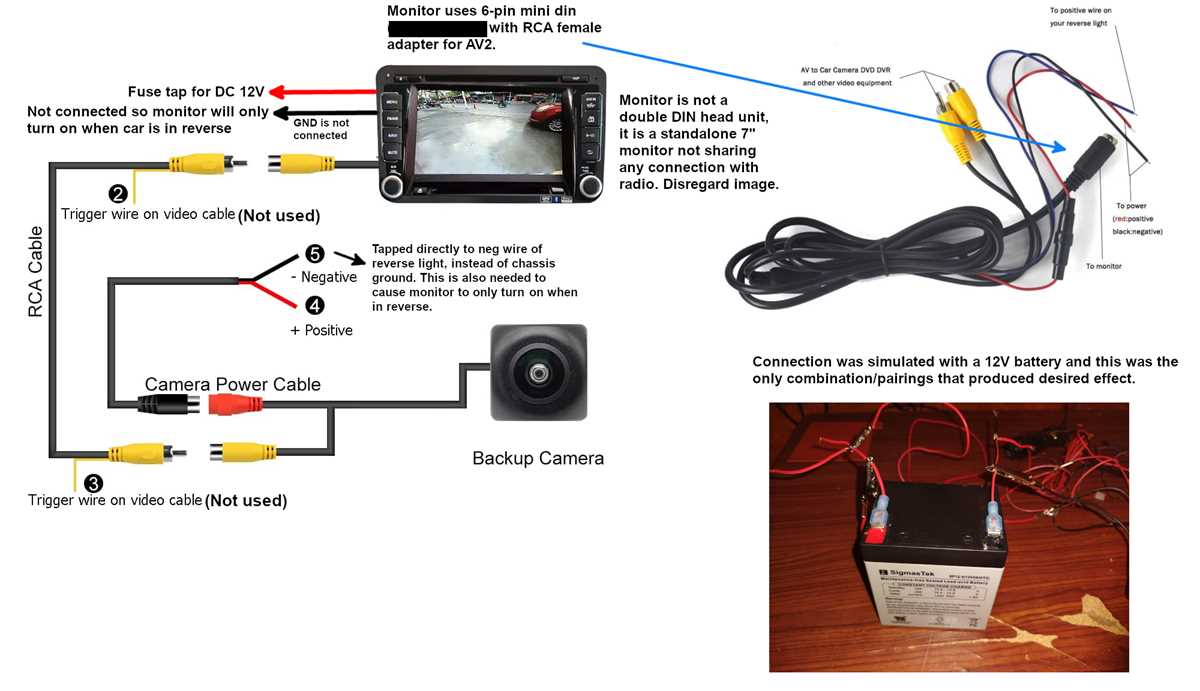
To begin the installation of a rearview monitoring system, start by identifying the power source for the device. Typically, the red wire connects to a constant 12V power source, while the black wire should be grounded to the vehicle’s chassis. This ensures the system is properly powered for operation.
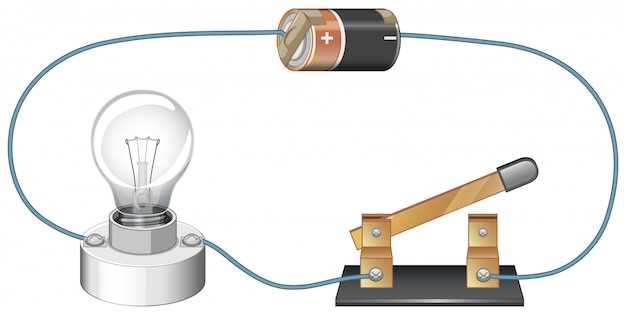
Turn off power at the main supply before handling any terminals. Verify zero voltage with a multimeter to prevent shocks and protect sensitive components.
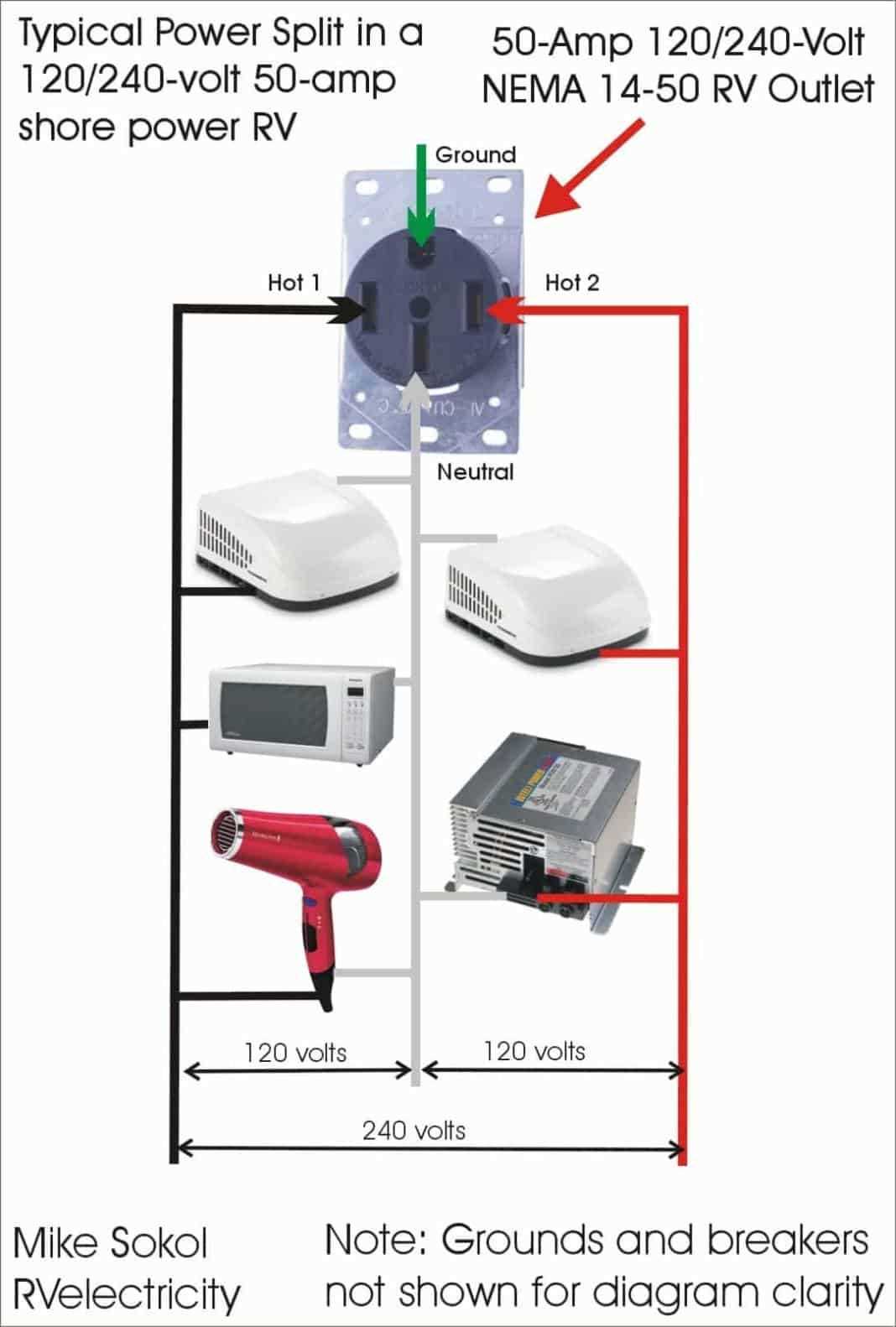
Begin by verifying that your vehicle is equipped with a proper electrical inlet designed for 50 volts. This is necessary for safely drawing power from shore connections. Without this, the system will not function at full capacity.
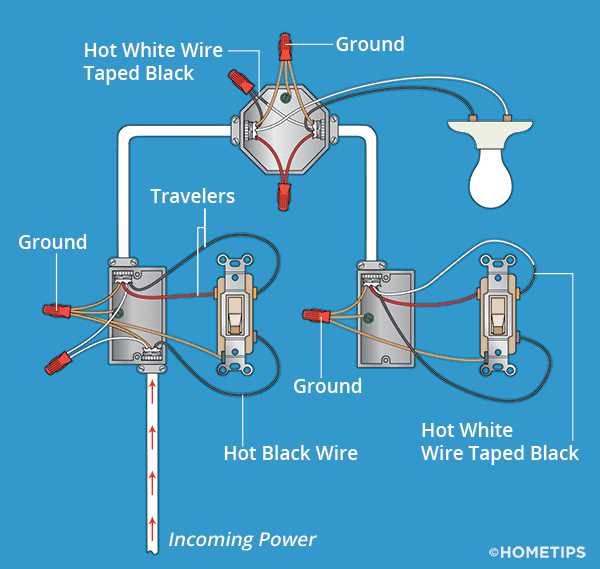
Connect the incoming feed directly to the common terminal of the first controller. Ensure the line is de-energized before making contact to prevent short circuits or shocks.
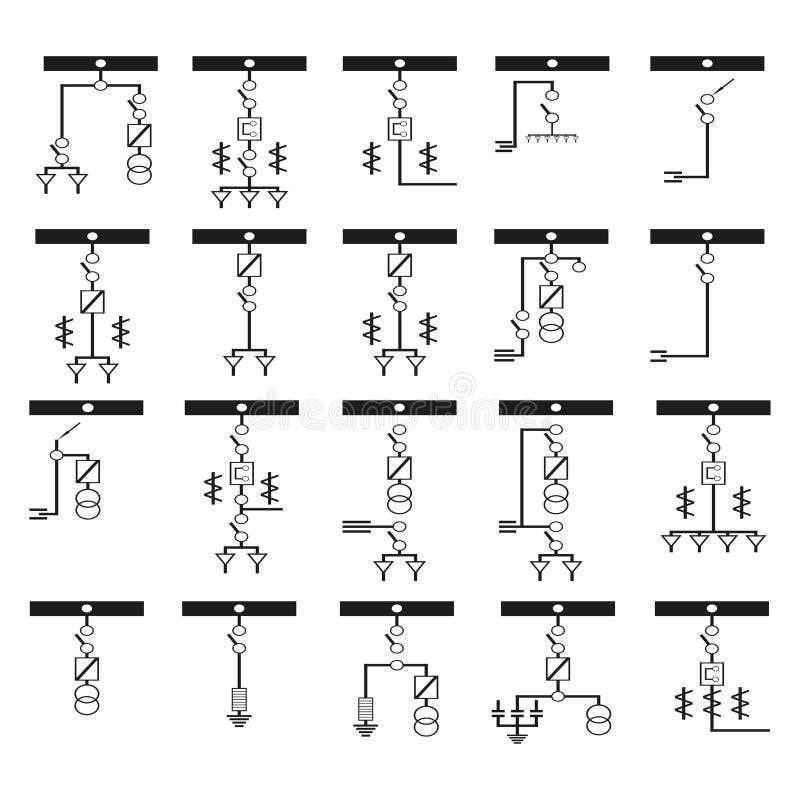
Start by learning how to recognize the key markings that represent components and connections in an electrical layout. A simple understanding of these symbols can help you troubleshoot, install, and maintain electrical systems with confidence. Pay close attention to the basic representations like switches, resistors, and power sources, as these are commonly used across various fields.
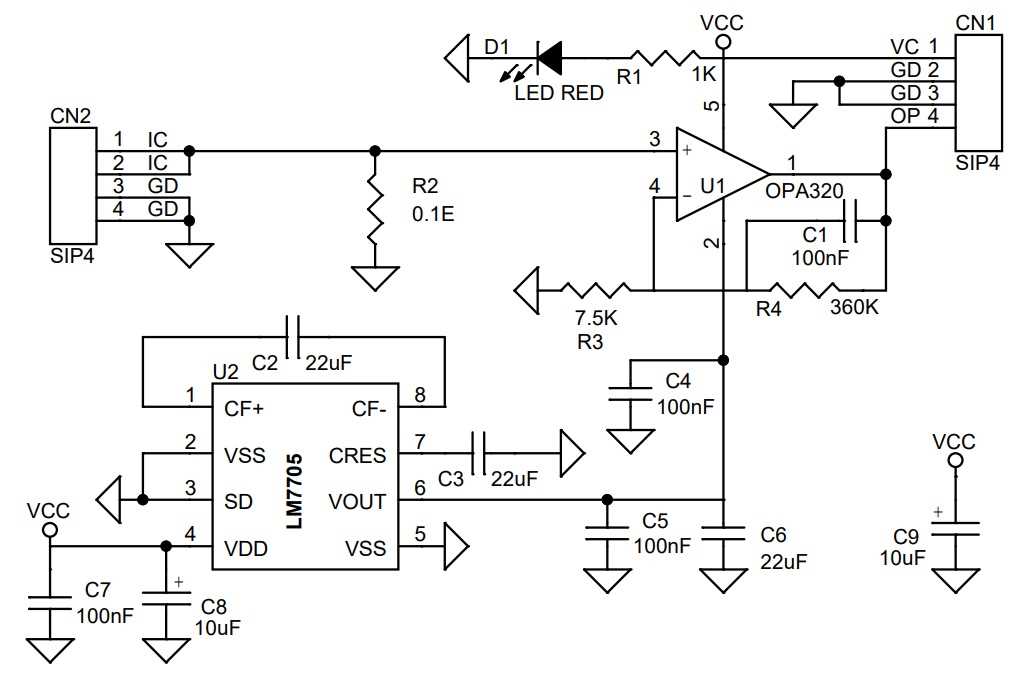
To measure the flow of electricity through a conductor, you need to integrate a detection module that can convert the electrical signal into a readable output. Start by using components like shunt resistors or Hall effect devices to capture the current passing through the wire. These components provide a voltage drop proportional to the flow, allowing you to calculate the amount of electricity passing through.
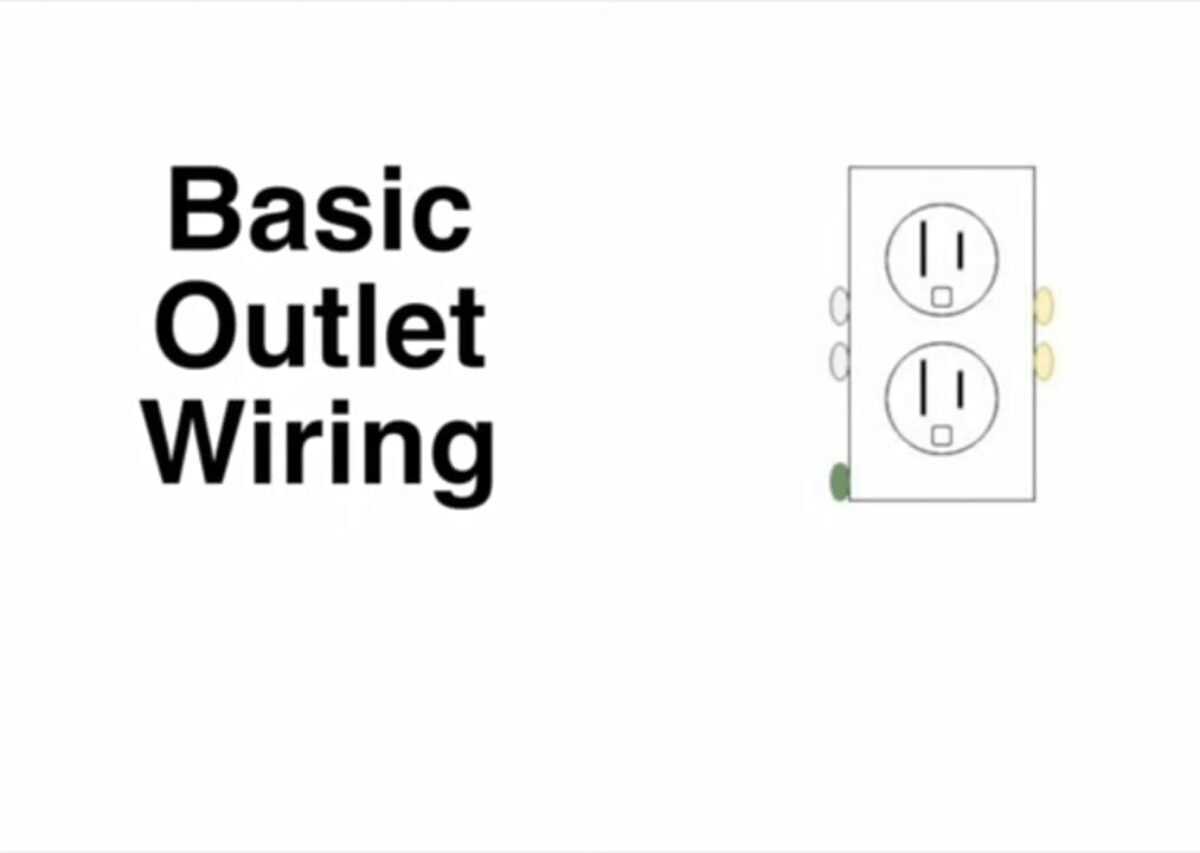
Ensure all connections are powered off before handling any plugs or sockets to prevent shocks. Use a voltage tester to confirm that live, neutral, and grounding lines are inactive.
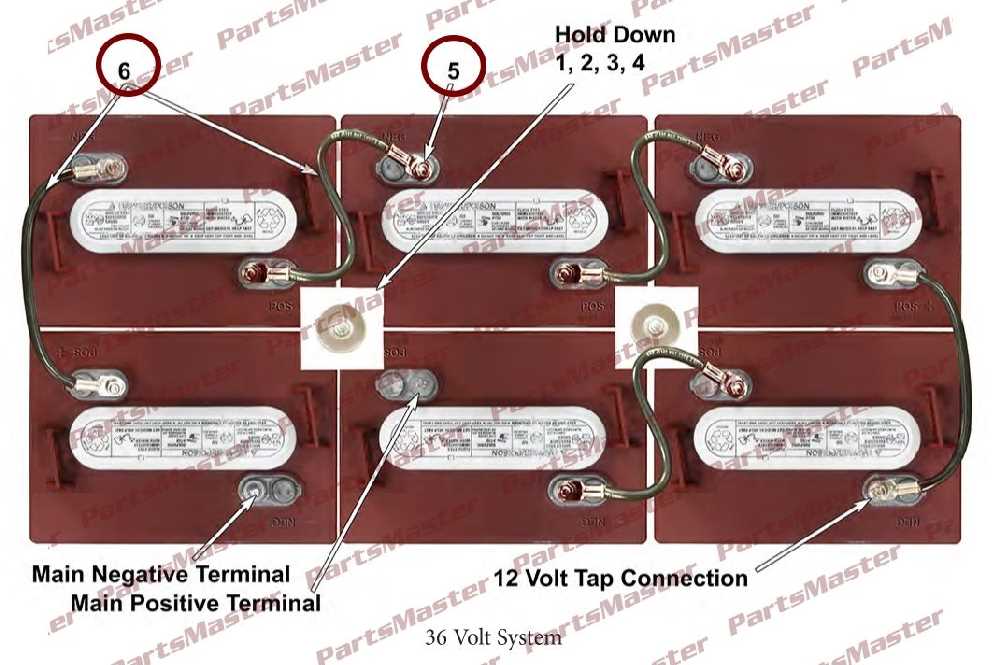
When working with a 36-ampere electrical system, it is important to ensure that connections are made securely and correctly. Start by arranging the components in series or parallel, depending on the required output for your device. If you need to increase capacity, a series connection will provide the necessary power. If you are looking for higher current without altering the voltage, then a parallel setup is the best option.