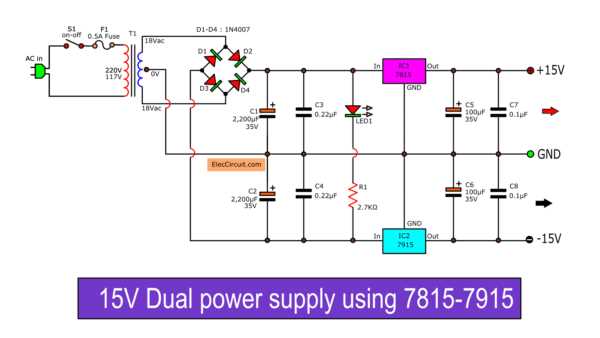
Use a bridge rectifier with at least 1A rating to convert mains voltage to stable direct current. Ensure input capacitors are rated for 400V or higher to handle voltage spikes safely.
Use a bridge rectifier with at least 1A rating to convert mains voltage to stable direct current. Ensure input capacitors are rated for 400V or higher to handle voltage spikes safely.
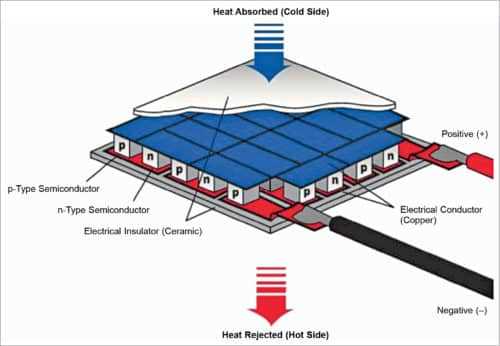
Verify the voltage rating before connecting to the power supply. Most semiconductor cooling units operate between 12 and 15 volts DC. Applying higher voltage can overheat the junctions and reduce lifespan.
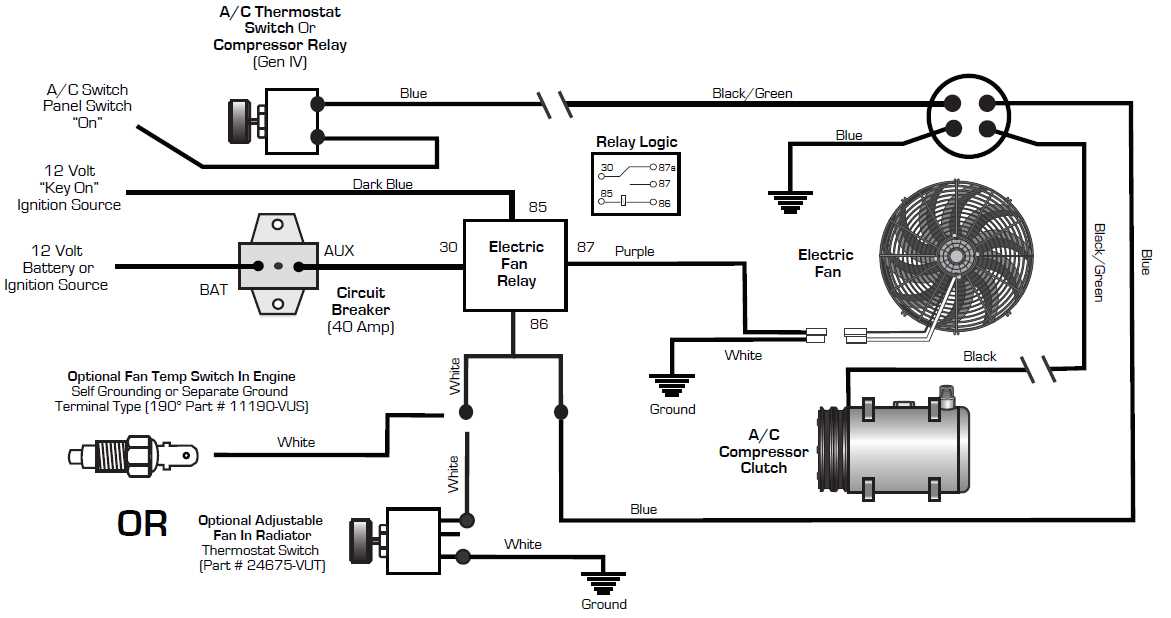
Disconnect the battery before handling any electrical components to prevent shorts and protect sensitive sensors. Use insulated tools and verify zero voltage at all terminals with a multimeter.
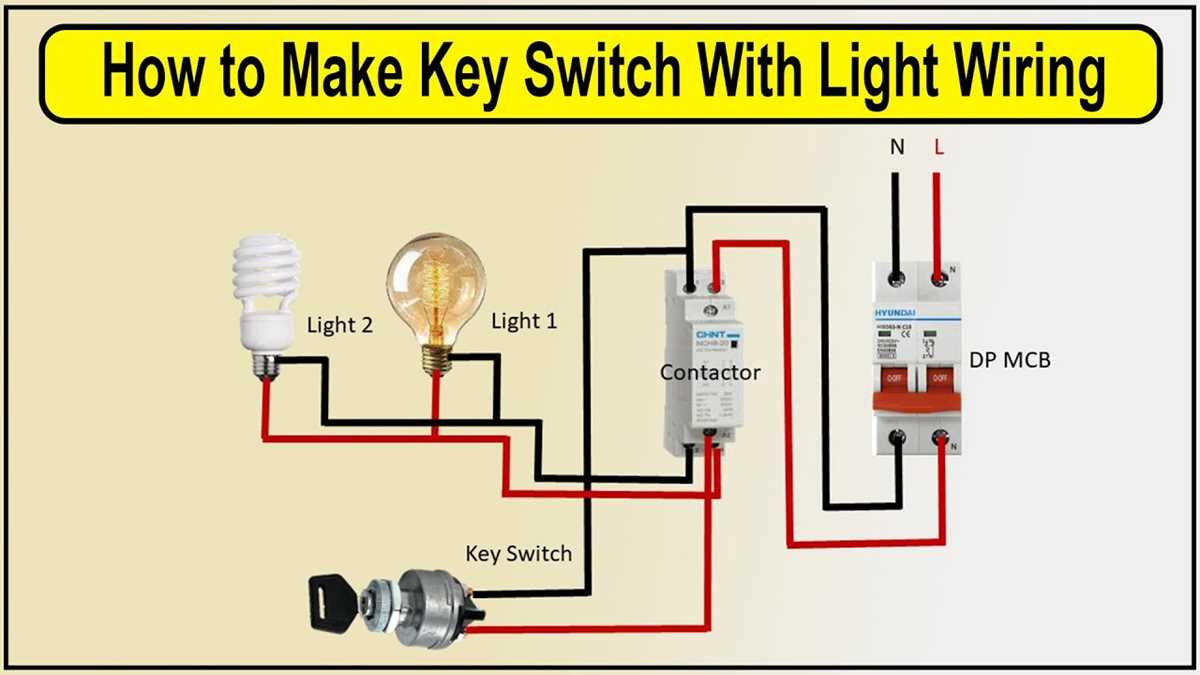
Verify the battery voltage before attempting any modifications to the ignition circuit; a multimeter reading below 12.4 volts can cause inconsistent activation of the starter relay. Identify the main terminals on the housing, usually labeled as BATT, ACC, and START, to prevent misrouting of the feed lines.
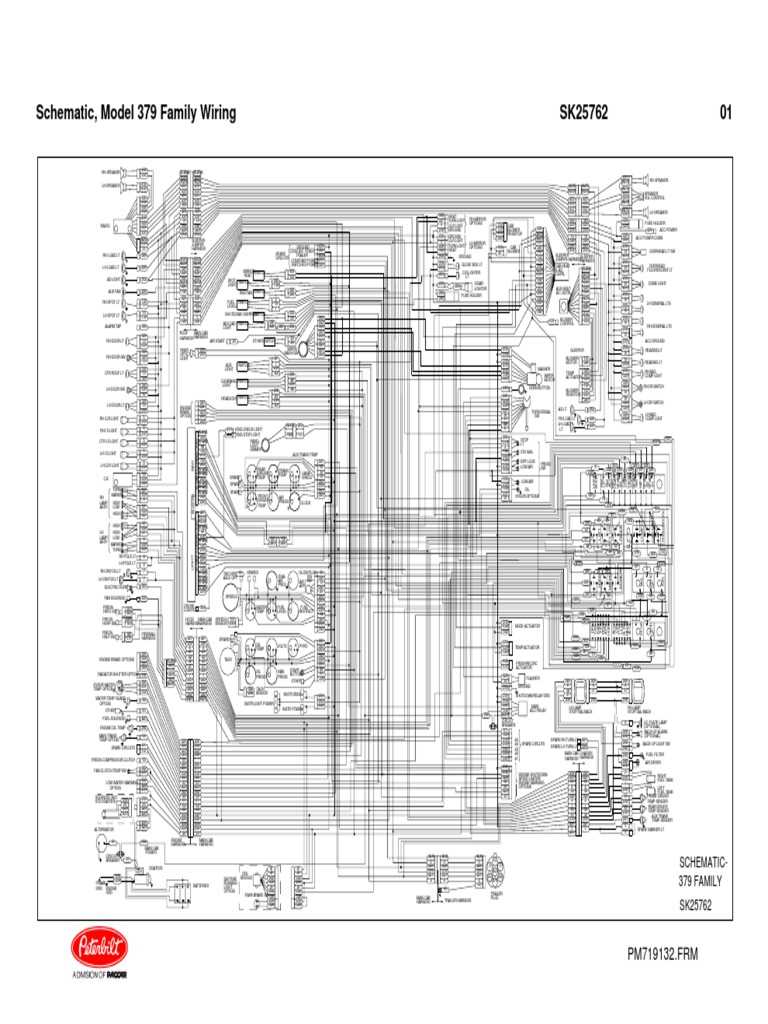
Ensure all main power sources are deactivated before starting component connections to prevent shorts or equipment damage. Verify each fuse rating against the manufacturer specifications for the model to maintain circuit integrity.
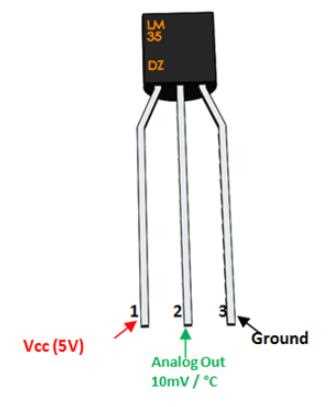
Connect the sensor’s VCC pin to a stable 5V supply to ensure accurate voltage output. Keep the ground lead close to the microcontroller ground to reduce noise and signal drift.
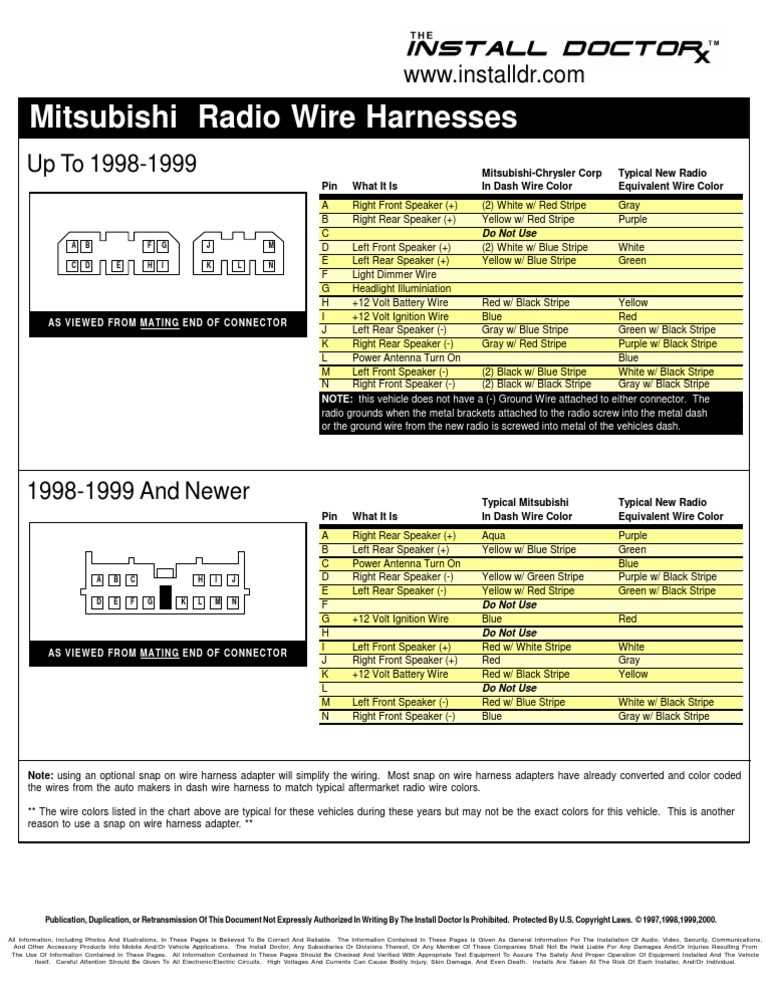
To properly connect your audio system, first identify the wiring connectors and their respective pins. Each wire corresponds to a specific function, like power, ground, and speaker connections. Be sure to match the correct wire to its corresponding terminal in the harness to avoid any issues with your setup.
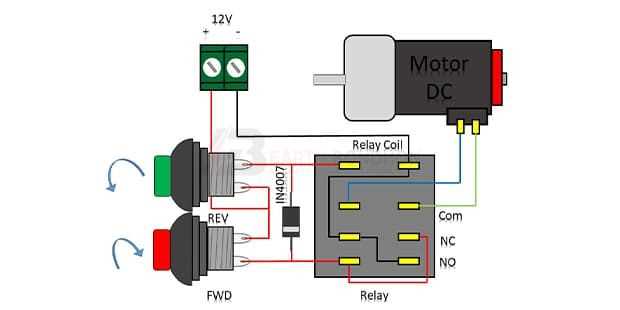
To wire a system that allows a motor to run in both directions, begin by using a double-pole, double-throw switch. This configuration lets you reverse the polarity to the motor’s windings. By toggling the switch, you can swap the direction of the current, ensuring the motor turns one way or the opposite based on the connection.
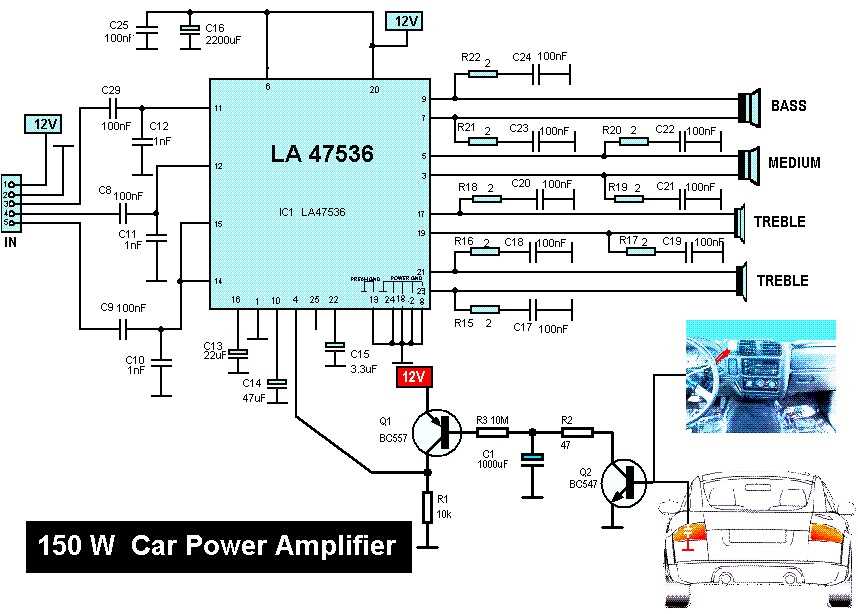
Use low-resistance wiring rated at least 14 AWG for signal and power connections to maintain stable voltage and prevent overheating. Choose capacitors with a voltage rating 25–30% higher than your system’s supply to handle transient spikes without degradation.
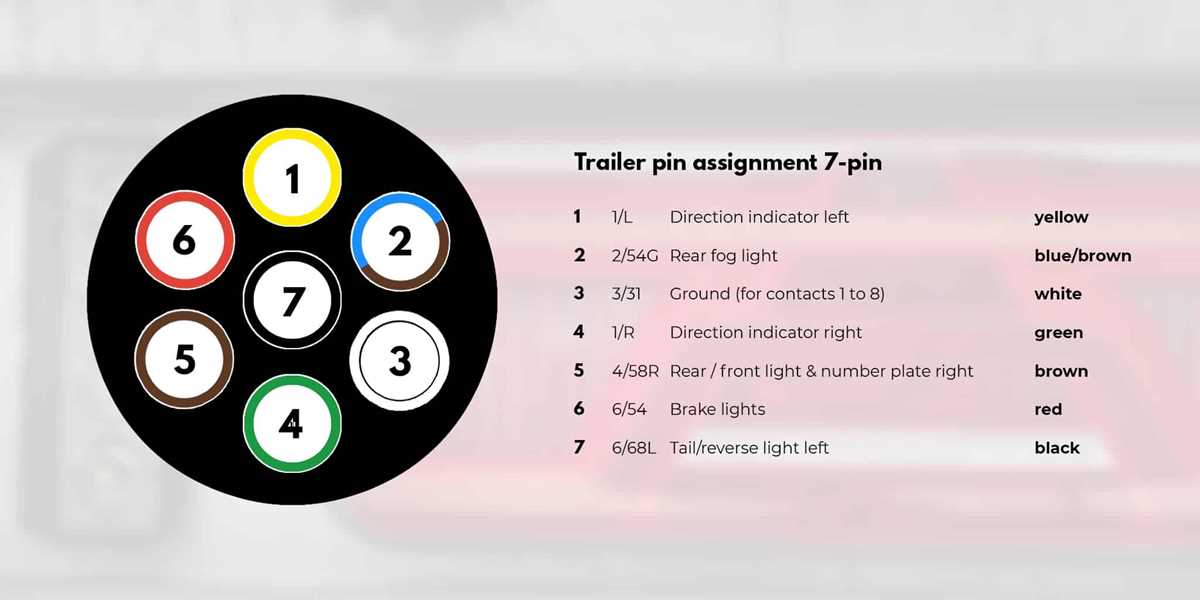
Ensure each conductor is matched to its designated terminal before starting the installation. Use a continuity tester to verify the proper path for brake lights, turn signals, and ground connections to avoid short circuits and malfunctions.