Before starting, ensure your power supply is turned off. The most common setup for this safety device involves two leads: one for live current and one for neutral. Connect these two wires carefully to their corresponding terminals on the device, ensuring there are no loose connections.
Category: other
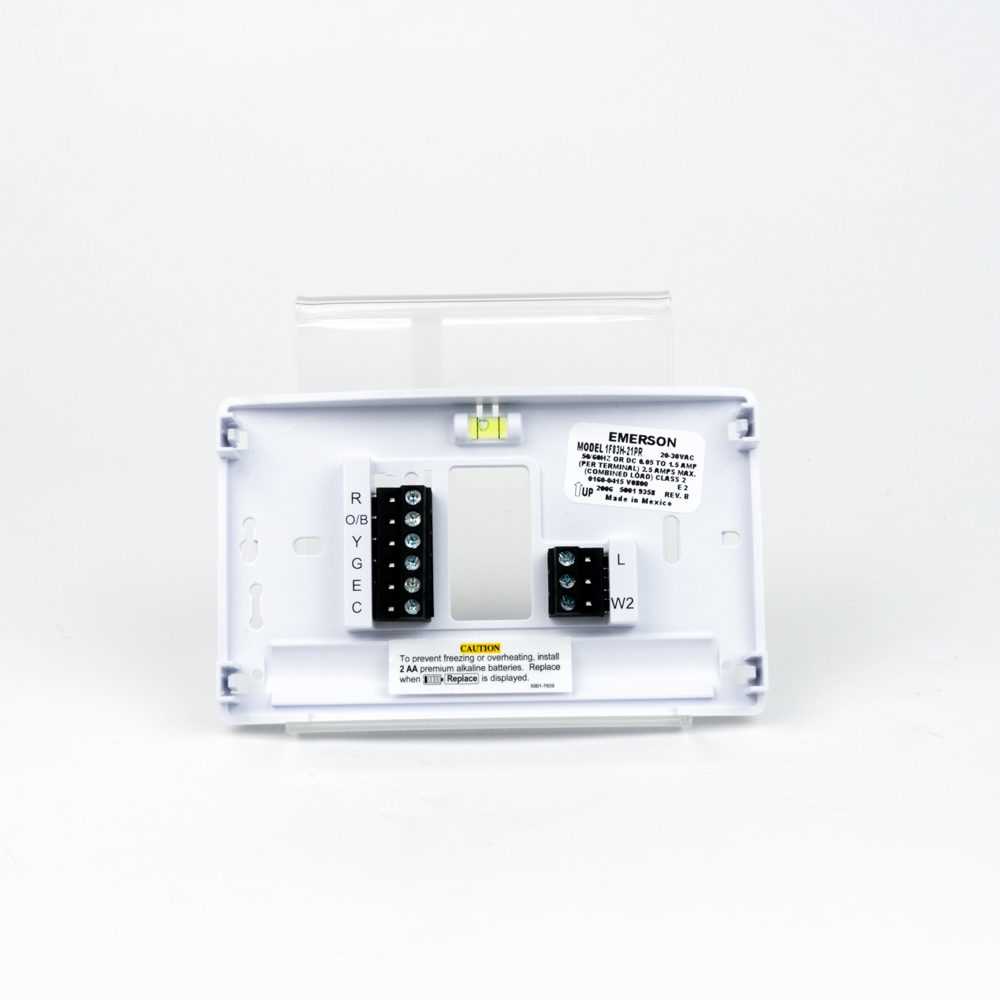
Connect the R terminal to the 24-volt power line from the HVAC transformer and link the C terminal to the common return. This pair supplies constant low-voltage power to the wall climate controller and stabilizes communication with heating and cooling equipment.

Start by ensuring that the transformer is properly connected to your power source. A 16V transformer is typically used for these systems. It should be connected to a 120V electrical outlet to provide the necessary power to activate the chime. Verify that the voltage output is correct before proceeding with other connections.
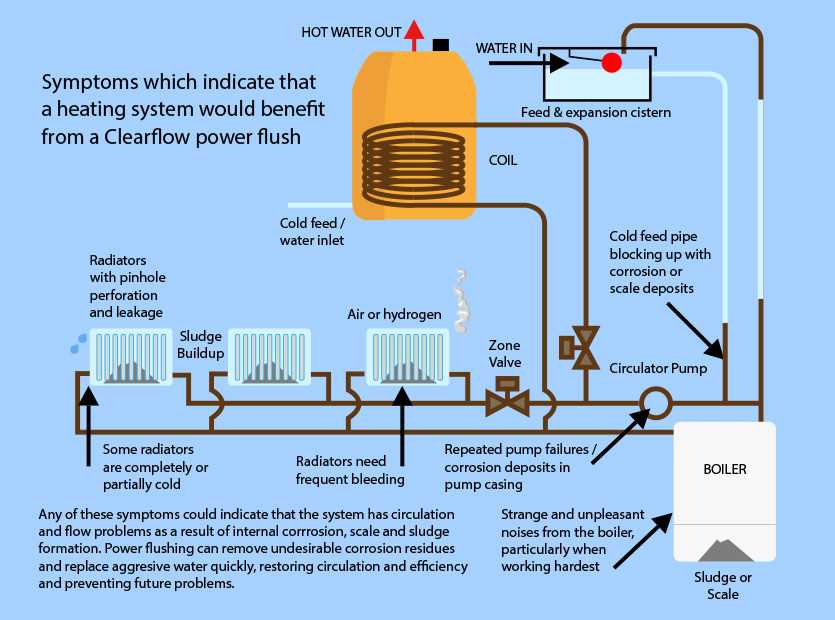
Connect the inlet to the main supply line with a shut-off valve to allow precise regulation of flow. Installing a thermostatic control at this point ensures the liquid temperature remains stable under varying demand. Use high-quality connectors rated for at least 10 bar pressure to prevent leaks and corrosion over time.
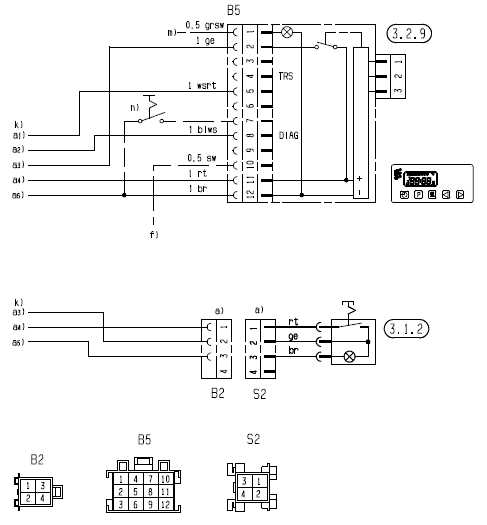
To ensure your snow removal equipment operates at its full potential, correctly connecting the electrical components is vital. For the most reliable performance, each connection must be secure and well-understood, especially when dealing with control modules, relays, and fuses. Pay close attention to the wiring that powers the hydraulic system and actuator, as these are critical for the proper functioning of the system.
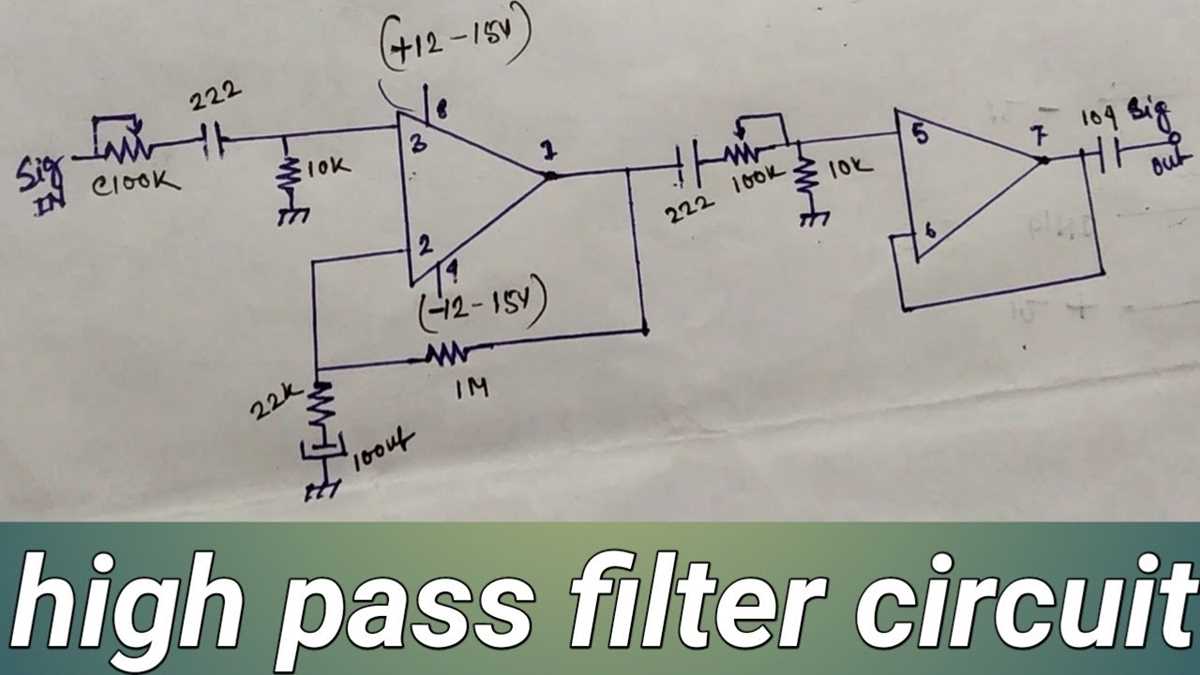
Use a 10kΩ resistor with a 0.1µF capacitor for low frequency suppression to achieve a cutoff around 160 Hz. This combination reduces unwanted bass signals while maintaining clarity in midrange tones.
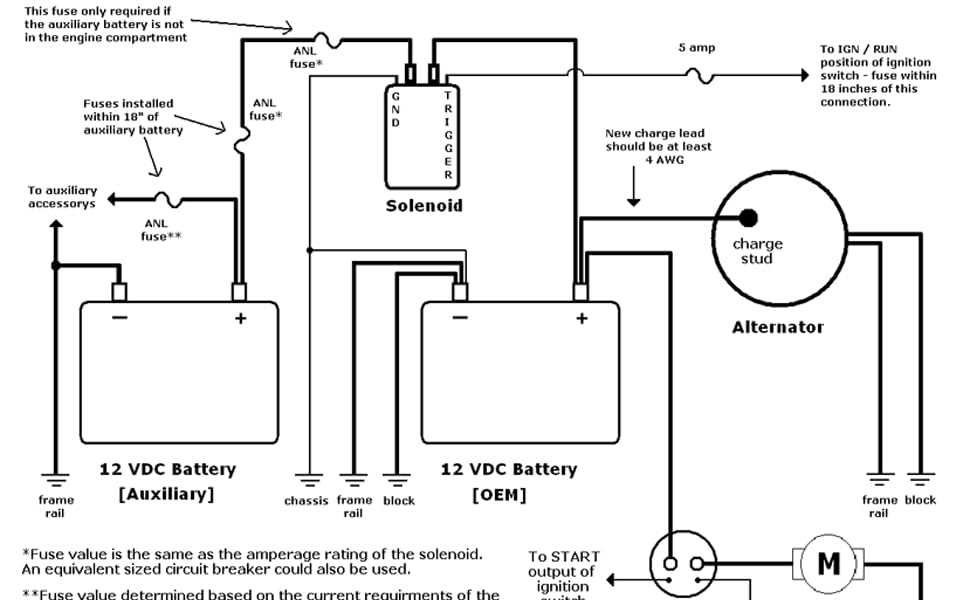
Start by selecting high-quality wires with the appropriate insulation for automotive use. Ensure that the gauge of the wire matches the power demands of the system. For example, thicker wires are required for high-power components like the starter motor, while smaller wires work for lighting or low-power devices.
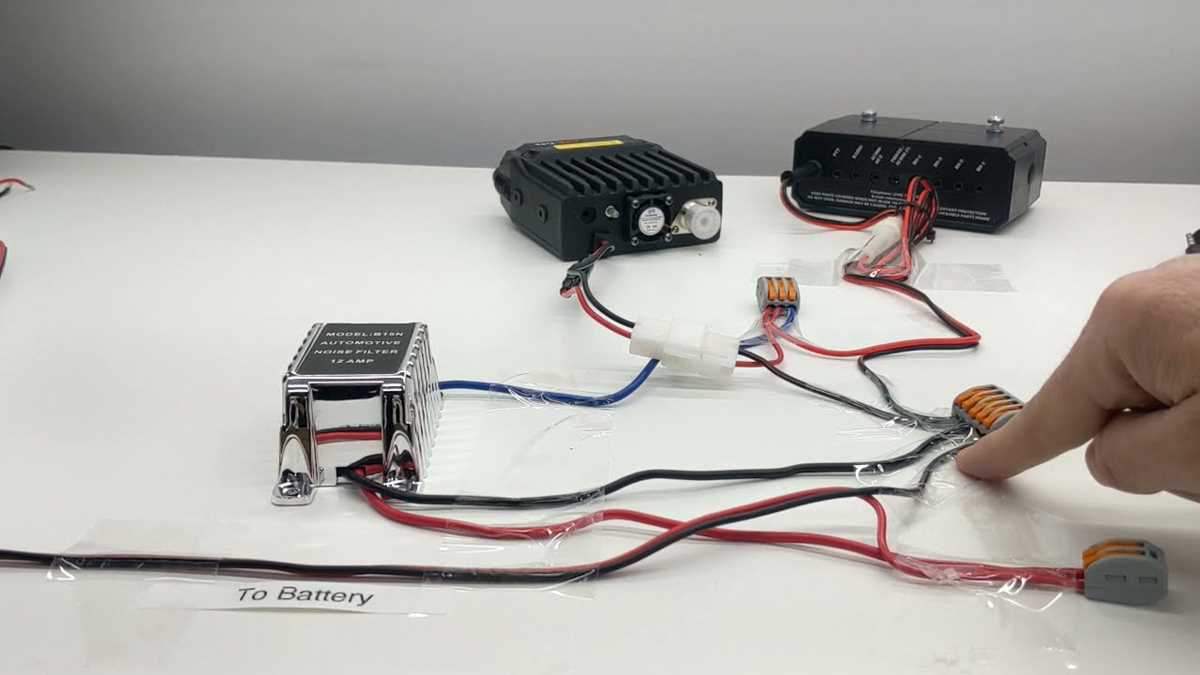
To reduce interference in your sound system, adding a proper noise suppression unit is crucial. Start by identifying where noise enters the system–usually through the power supply or poorly shielded cables. A straightforward way to tackle this problem is by using capacitors and inductors, components that work together to block unwanted frequencies. These components can be arranged in a simple network, often involving a combination of resistors, capacitors, and inductors to smooth out any electrical disturbances.
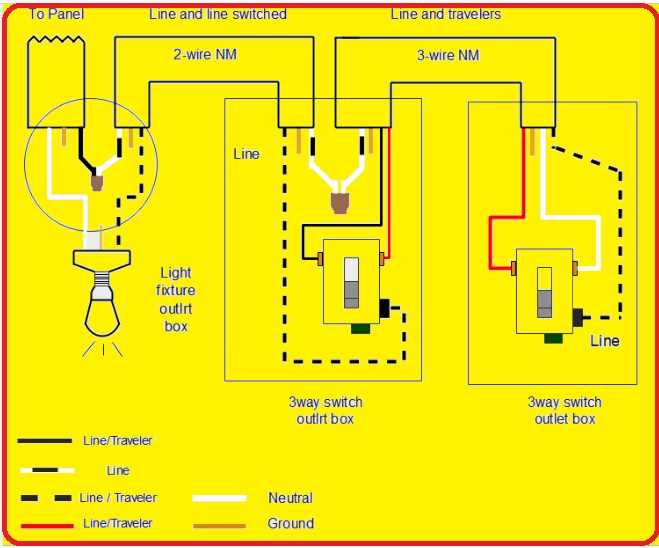
Turn off the main breaker and verify absence of voltage at all terminals using a non-contact tester. Handling live circuits can cause severe injury or damage connectors.
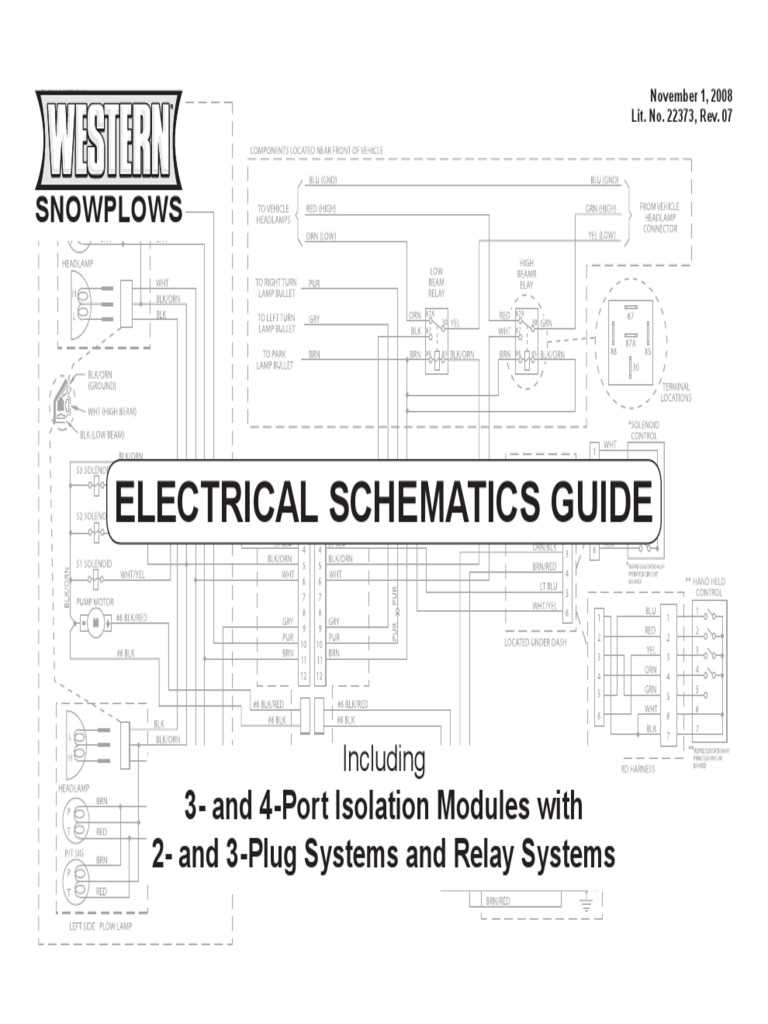
To ensure the proper functioning of your snow removal equipment, it’s important to understand the electrical connections involved. One of the critical components is the control relay, which needs to be correctly wired for the system to operate efficiently. Make sure you are familiar with the two terminals on the relay unit and how to connect them to the vehicle’s electrical system. These connections are crucial for activating the equipment’s lifting or lowering functions.