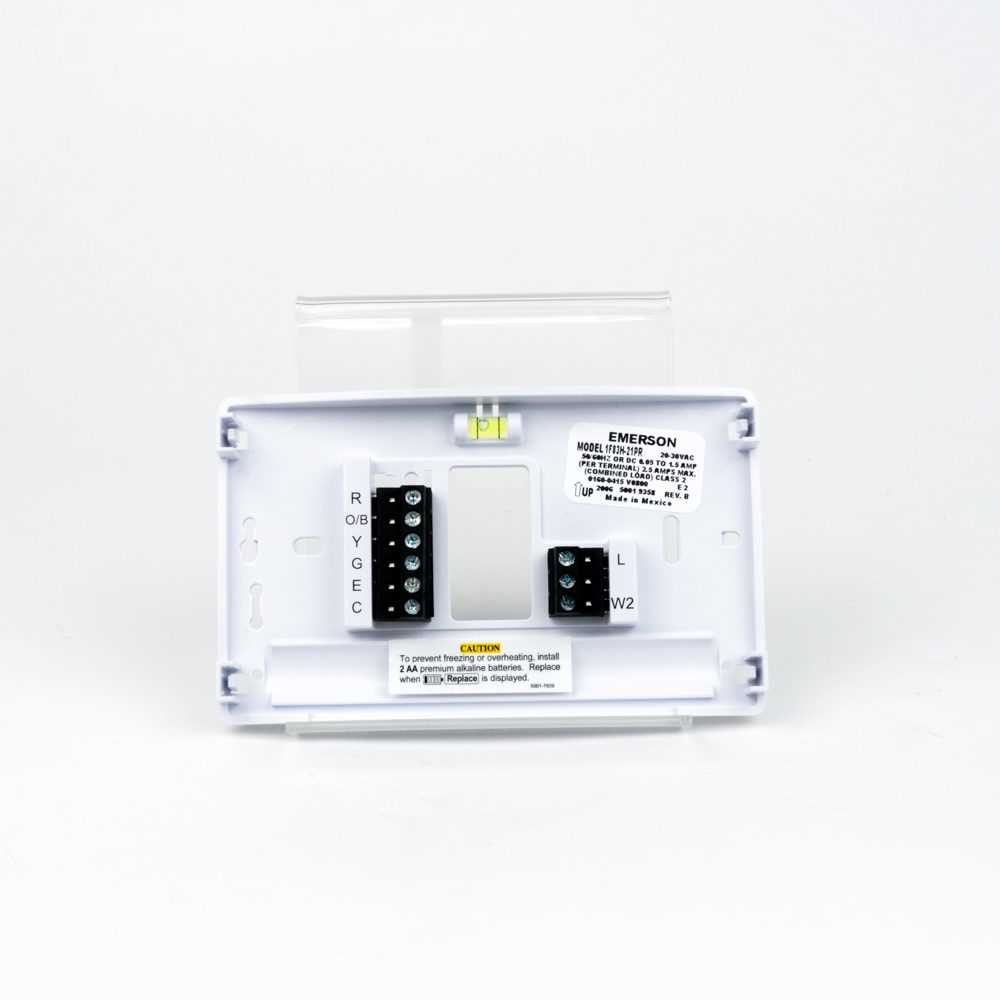
Connect the R terminal to the 24-volt power line from the HVAC transformer and link the C terminal to the common return. This pair supplies constant low-voltage power to the wall climate controller and stabilizes communication with heating and cooling equipment.
Attach the W terminal to the heating control line from the furnace or boiler control board. When room temperature drops below the set value, the controller closes the R-to-W circuit and sends a signal that activates the heating relay inside the furnace cabinet.
Cooling equipment connects through the Y terminal, which sends a 24-volt signal to the outdoor compressor contactor. The G terminal controls the indoor air handler blower. When the cooling mode runs, both Y and G receive power so the compressor and blower operate at the same time.
Most residential HVAC installations use 18-gauge low-voltage conductors with color codes such as red for power, white for heat call, yellow for compressor control, green for blower, and blue or black for common. Confirm these colors at the furnace control board because older installations sometimes use different assignments.
Emerson Thermostat Wiring Diagram With Terminal Connections for HVAC Systems
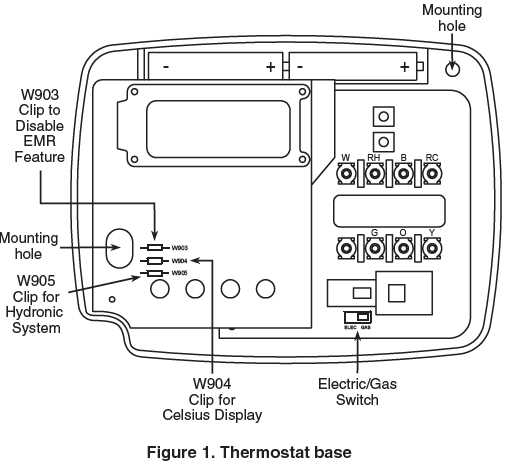
Attach the red conductor from the HVAC transformer to the R terminal on the wall climate controller base. This terminal supplies 24-volt power used by heating and cooling control circuits.
Connect the blue or black common return from the furnace control board to the C terminal. Many modern digital controllers require this connection to maintain constant power for the display and internal electronics.
Heating equipment links through the W terminal. When room temperature falls below the selected value, the controller closes the R-to-W circuit and the furnace control board energizes the heating relay.
Typical terminal assignments in residential HVAC installations
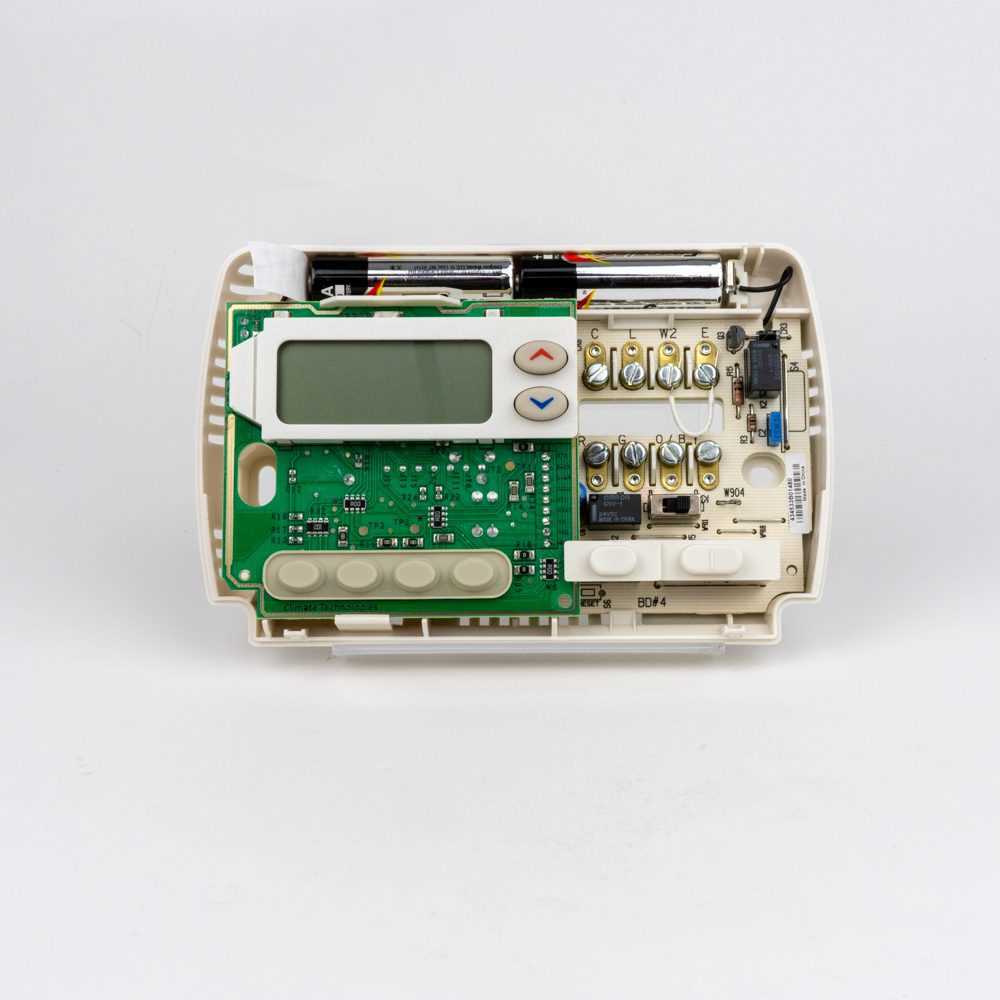
- R – 24 V supply from transformer
- C – common return path
- W – heating call
- Y – compressor contactor signal
- G – indoor blower control
Cooling activation occurs through the Y terminal. A yellow conductor carries the signal to the outdoor unit contactor coil. At the same moment the G terminal energizes the air handler blower relay so air circulates across the evaporator coil.
Use 18 AWG low-voltage conductors routed between the wall controller and furnace control board. Keep connections tight under terminal screws and verify 24-volt presence between R and C using a multimeter before attaching the device.
R C W Y G Terminal Connections on an Emerson Thermostat for Furnace and AC Units
Connect the R terminal to the 24-volt power lead coming from the HVAC transformer; this conductor usually appears in red insulation and delivers constant control voltage to the wall climate controller. Tighten the screw clamp firmly so copper sits fully under the plate. If the system uses a single transformer, keep the factory jumper between RC and RH intact; removing it causes heating or cooling circuits to lose voltage.
The C terminal accepts the common return conductor from the air handler transformer, typically blue or black. This connection supplies continuous power that allows modern digital climate control panels to run displays, Wi-Fi modules, and logic boards without relying on batteries. Strip approximately 6–7 mm of insulation and insert straight copper into the clamp; twisted strands outside the terminal can create intermittent voltage drops measured near 18–22 V instead of the normal 24 V control supply.
Heating Circuit: W Terminal
The W terminal activates the furnace heat relay. A white conductor usually links this point to the control board inside the gas or electric heating cabinet. When the wall controller closes the R-W circuit, the board energizes the ignition sequence or heating elements. Verify continuity with a multimeter if the furnace fails to respond: a proper closed call should show near-zero resistance between R and W at the device terminals.
Cooling and Fan Circuits: Y and G
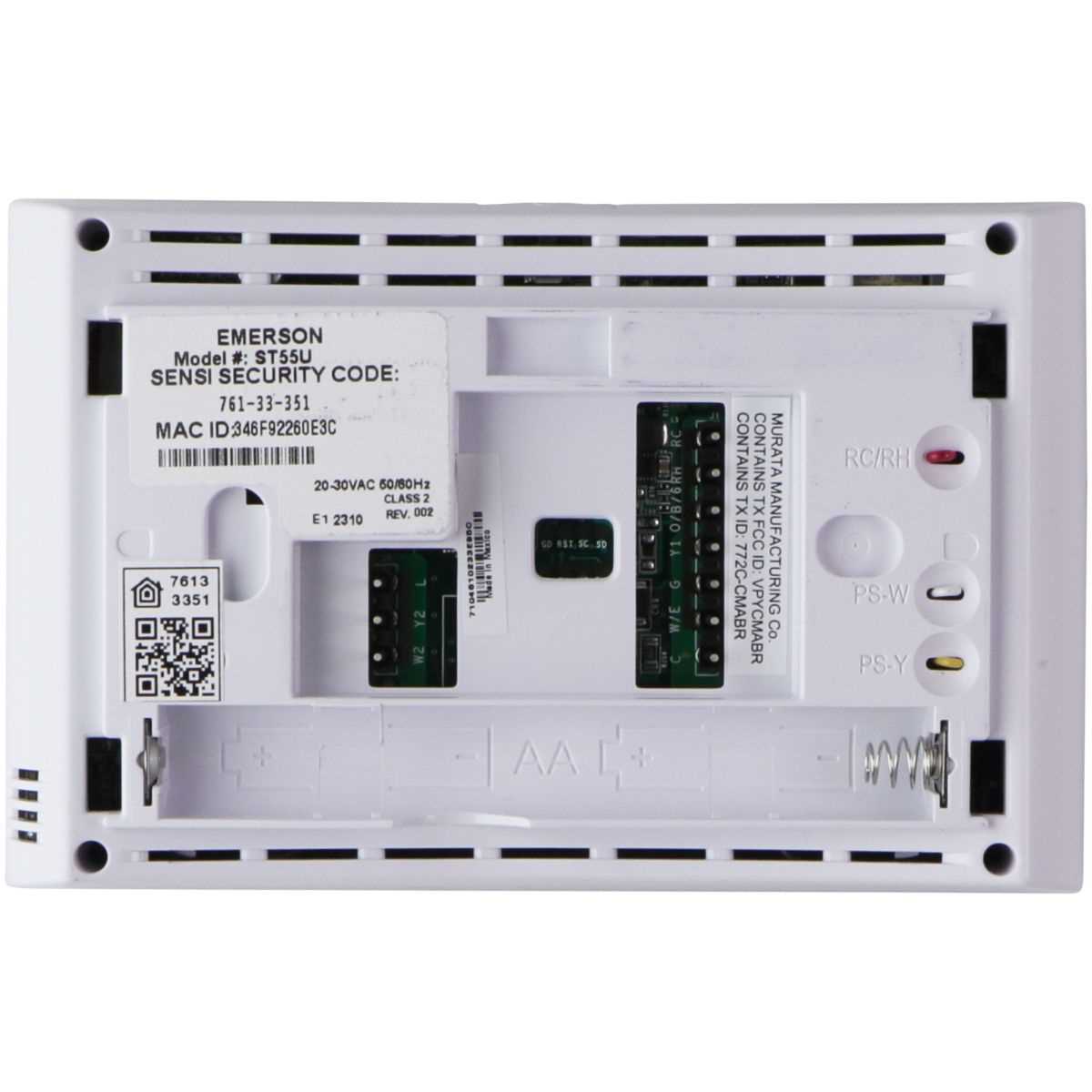
The Y terminal controls the outdoor condenser contactor. Yellow insulation commonly marks this conductor. Once the controller bridges R and Y, 24-volt signal voltage travels through the cable bundle to the condensing unit, engaging the compressor and outdoor fan motor. If cooling does not start, measure voltage between Y and C; a reading near 24 VAC during a cooling demand confirms signal delivery toward the condenser.
The G terminal manages the indoor blower relay within the air handler. Green insulation normally identifies this lead. Closing the R-G circuit spins the circulation fan without activating heating or cooling equipment. This function supports air circulation mode, filter drying, and duct air mixing during mild weather.
Typical residential setups place red on R, blue or black on C, white on W, yellow on Y, and green on G. Label each conductor before removal from an older wall unit to prevent cross-connection. Incorrect placement–such as swapping Y and G–can cause a condenser start without indoor airflow, leading to evaporator coil icing and reduced system performance.