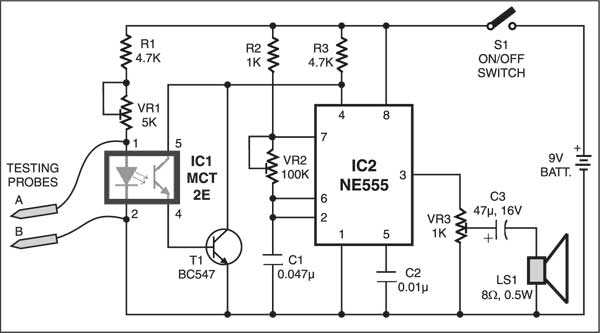
Connect the LED input and phototransistor output correctly to ensure proper signal transfer. Use series resistors to limit current and prevent damage to components.
Connect the LED input and phototransistor output correctly to ensure proper signal transfer. Use series resistors to limit current and prevent damage to components.
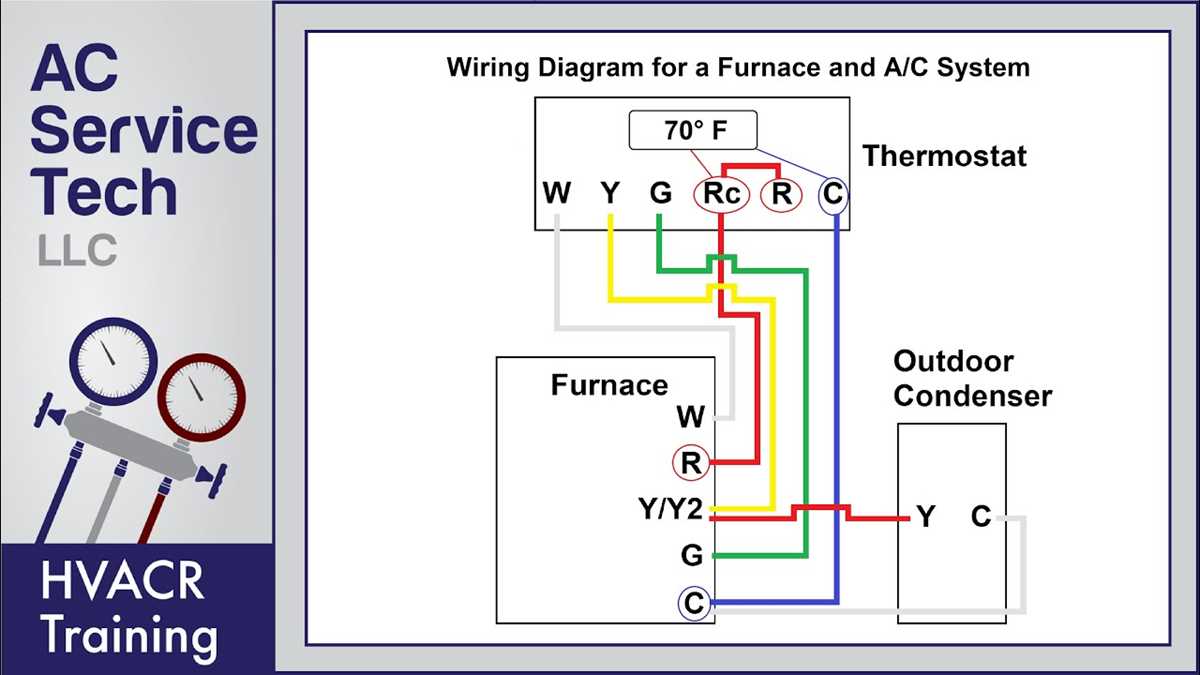
Before installing your new smart temperature control unit, carefully review the terminal connections. Identify the wires for heating, cooling, common, and power to ensure proper connection. Start by disconnecting power to the system and confirming the existing wiring matches the color codes and terminal labels on the new unit. This will prevent any confusion during installation.
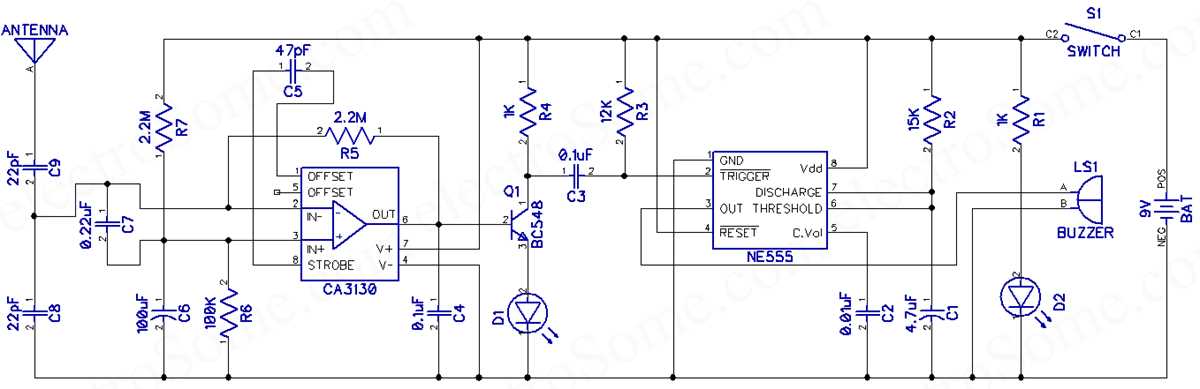
To fully comprehend how modern smartphones and similar gadgets operate, it’s crucial to examine their internal electrical connections and layouts. A mobile device relies on various key elements, from power management to signal processing components, which work in unison to ensure smooth functionality. Understanding these interconnections helps diagnose problems and optimize performance.
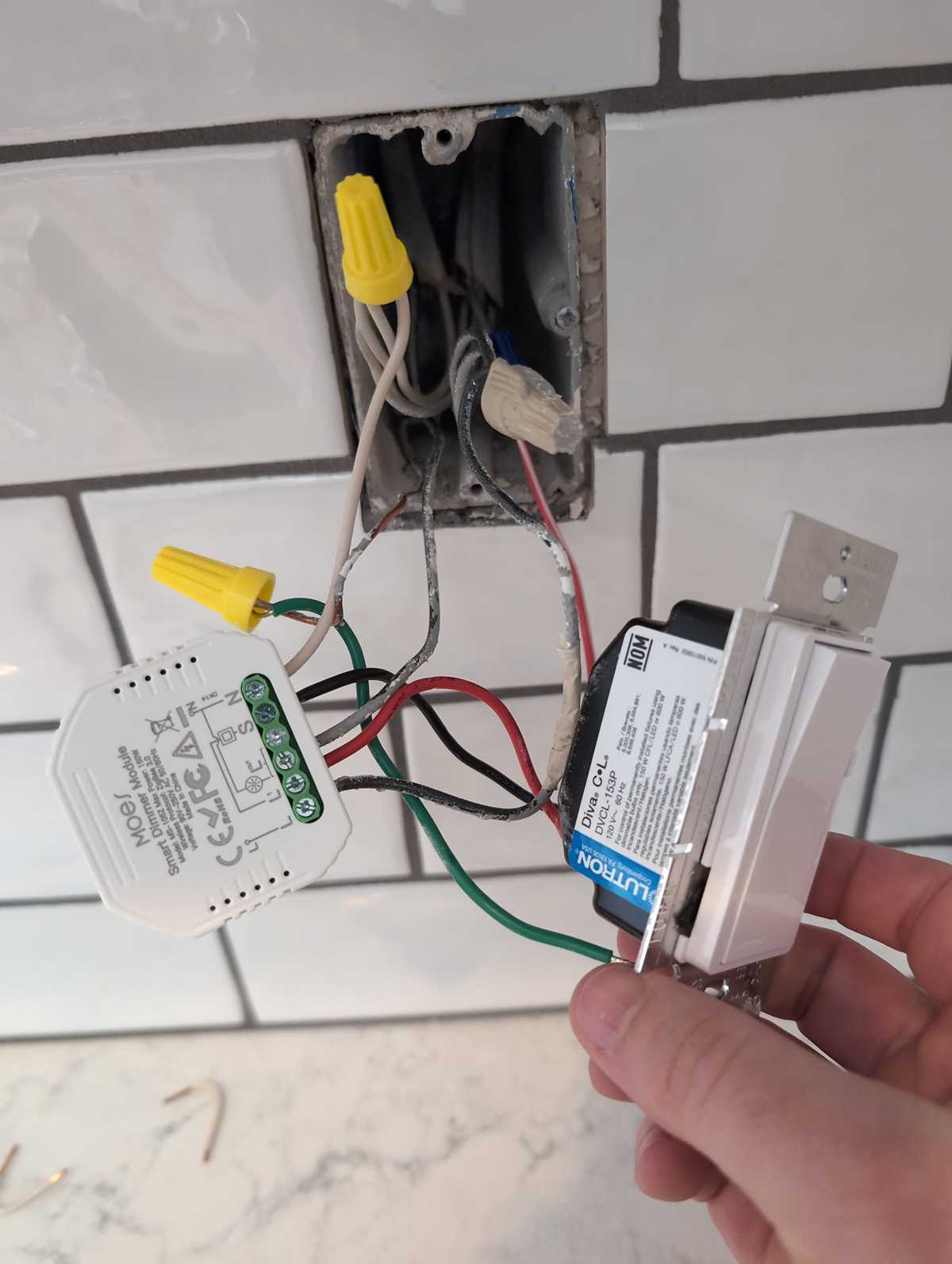
Connect the hot line directly to the input terminal on the module to ensure proper power flow and prevent flickering. Use a voltage tester to confirm live and neutral lines before proceeding.
Ensure that both toggles are rated for the same voltage and current load before installation. Use insulated conductors of at least 14 AWG for residential 120V setups to prevent overheating and voltage drop.
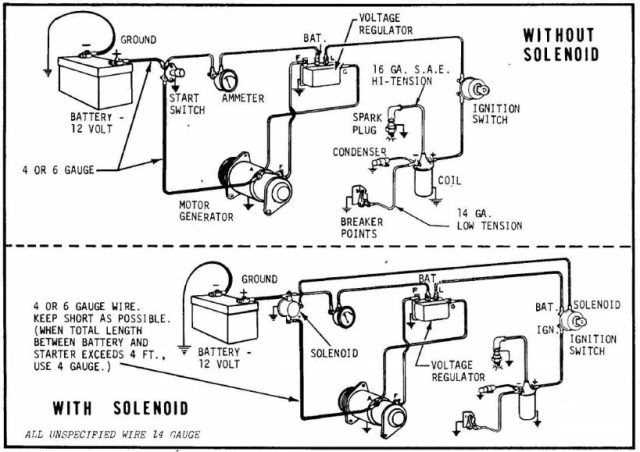
To avoid wiring errors and ensure optimal performance, follow the standard color coding and terminal assignments for each electrical component of your generator system. Properly identify and secure each connection to prevent short circuits or power failures. Always refer to the manufacturer’s manual for the most accurate connection details for your model.
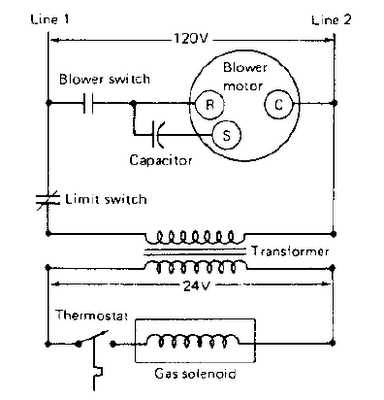
Disconnect electrical power at the service switch and breaker before examining any heating unit control connections. Most residential warm air heaters operate with a 24-volt control circuit supplied by a step-down transformer that converts 120 V or 240 V line power into low voltage used by the thermostat and control board.
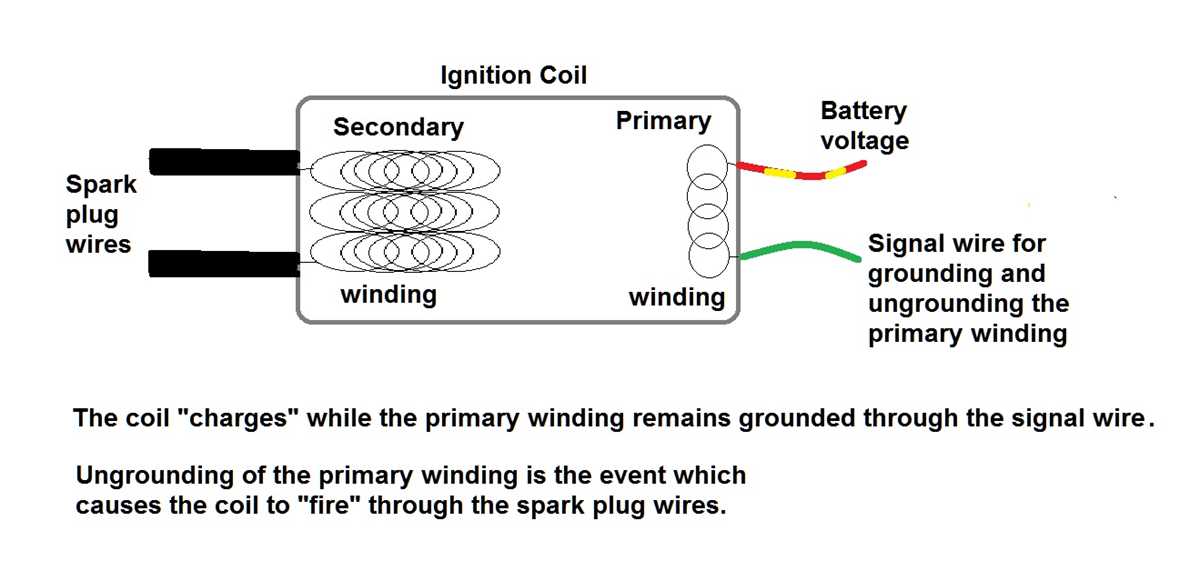
To modify the electrical system of your motorcycle and bypass the standard starting mechanism, start by disconnecting the battery to ensure safety. Afterward, remove the panels or covers around the electrical components to expose the necessary wiring. Identify the primary connections that control the power flow to the motor, typically the live, neutral, and ground wires. Make sure to use the correct tools such as wire strippers and electrical tape to prepare the wires for the new setup.
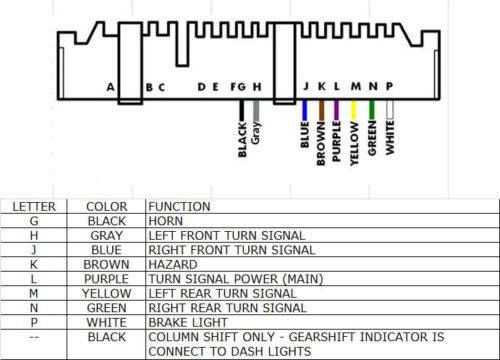
Verify all main power and ground lines before testing switches or controls. Correct identification of positive and negative terminals prevents shorts and protects electronic modules.
Check fuse and relay panels regularly to prevent blown circuits. Label each connector with its function and location to simplify repairs and replacements.