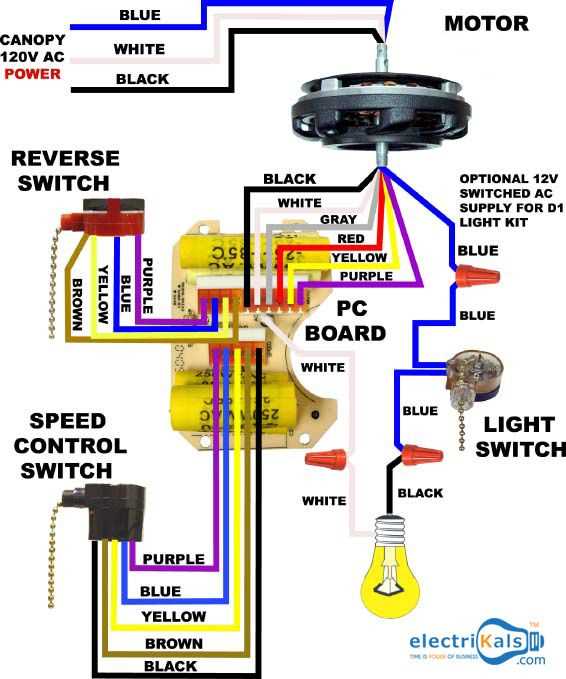
Install switches rated for at least 10A when controlling ceiling fixtures with multiple bulbs or motors. Using breakers with proper current ratings prevents overheating and reduces the risk of circuit damage.
Separate control lines for illumination and ventilation units to avoid voltage drops and ensure stable operation. Color-coded cables for live, neutral, and ground simplify identification during installation and maintenance.
Test each connection before securing covers using a multimeter to verify continuity and correct polarity. Checking current flow under load conditions ensures reliable operation and prevents unexpected failures after assembly.
Light and Fan Connection Guide
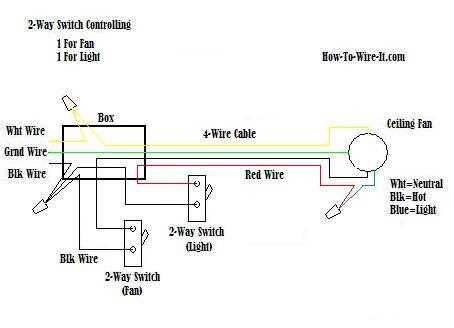
Use a dedicated switch for each ceiling unit to control operation independently. Installing a 10A or 16A rated breaker for each circuit prevents overload when both units run simultaneously.
Route power and neutral lines through separate conduits to reduce electromagnetic interference. Maintaining at least 15 cm spacing from communication cables avoids signal disruptions in nearby devices.
Color-code conductors consistently with brown for live, blue for neutral, and green/yellow for ground. This standardization simplifies troubleshooting and ensures compliance with safety regulations.
Secure mounting boxes firmly to ceiling joists to support combined weight of units and prevent vibration-related loosening. Use insulated fasteners and verify box alignment to avoid strain on connection points.
Check continuity and polarity with a multimeter before completing the installation. Confirming correct connection reduces the risk of motor rotation errors and flickering bulbs after powering the circuit.
Label switches and terminals clearly for future maintenance. Tags indicating unit function and circuit number save time when replacing fuses or inspecting connections months later.
Test operation under load for at least 10 minutes after installation. Observing temperature rise on terminals and motor housing ensures the system handles intended current without overheating or voltage drop issues.
Selecting Suitable Switches and Circuit Breakers
Choose switches rated for the combined load of ceiling units. For a single 60W bulb and a 75W motor, a 10A switch provides adequate margin. If multiple units share a circuit, upgrade to 16A to prevent overheating and premature wear of contacts.
Select miniature circuit breakers with trip curves matching load type. Use type B for resistive loads like bulbs and type C for inductive motors to avoid nuisance tripping. Ensure each protective device has a clear ON/OFF indicator and is accessible for routine testing or emergency shutdowns.