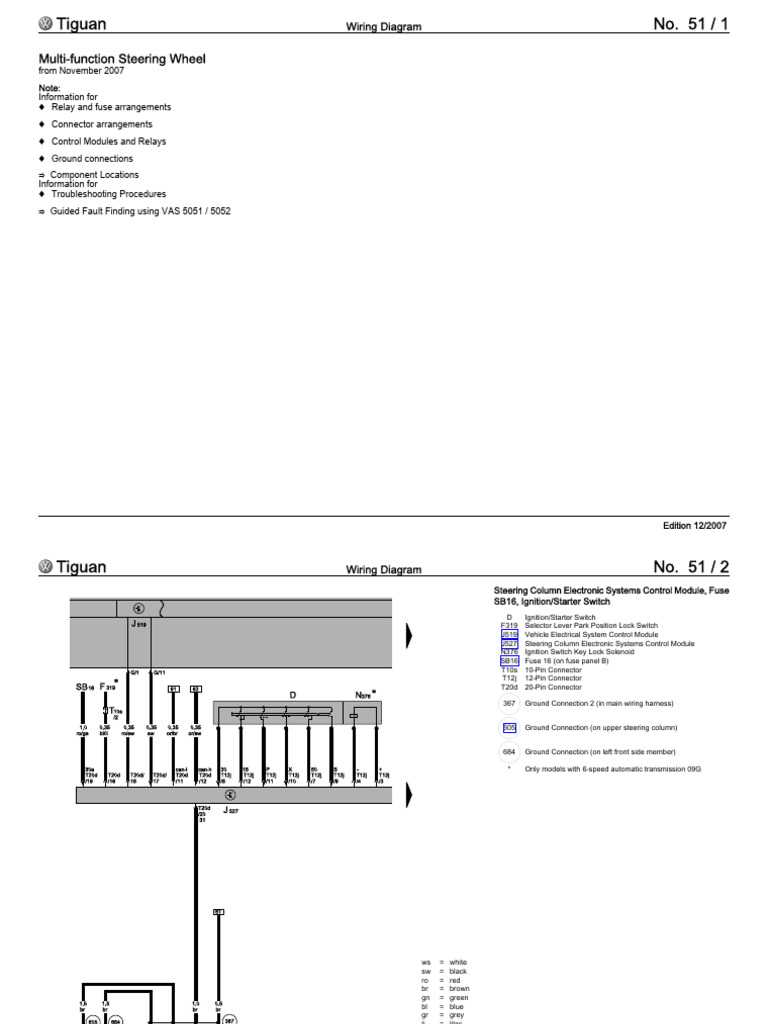
Ensure all power sources are disconnected before attempting any integration of the command interface with the vehicle’s audio and navigation systems to prevent short circuits or component damage.
Identify each input and output line clearly, labeling the signals that correspond to volume adjustment, track selection, and mode switching. Use a multimeter to verify continuity before establishing permanent connections.
Follow manufacturer specifications for voltage tolerances and pin assignments. Standard automotive signal lines typically operate at 5V logic, while power feeds may reach 12V, so confirm compatibility to avoid burning fuses or damaging modules.
Secure connections with insulated terminals or heat-shrink tubing to minimize the risk of loose contacts, which can result in erratic response or total loss of functionality during driving.
Test each function individually after completing connections. Activate audio, phone, and navigation commands separately to confirm that signals are properly routed and responsive before finalizing installation.
Maintain documentation of all line assignments and connection points. This record aids in future troubleshooting, upgrades, or replacement of components without the need to dismantle the system extensively.
Steering wheel control connection guide for vehicle electronics
Disconnect the car battery before connecting any interface lines to prevent accidental short circuits and protect sensitive electronic modules from voltage spikes.
Locate the signal interface harness behind the dashboard, identifying the lines dedicated to audio, phone, and navigation functions using a multimeter or continuity tester for precise mapping.
Match each command input to the corresponding circuit, following the color codes provided by the manufacturer. Typically, volume up and down lines use 5V logic, while illumination signals may carry 12V.
Use insulated connectors or heat-shrink sleeves on all junctions to ensure stable contacts and reduce the risk of loose connections causing erratic operation during vehicle movement.
Verify functionality by testing each command separately: activate audio track changes, phone call accept/reject, and mode adjustments. Confirm response is immediate and consistent before securing the harness permanently.
Document all connections with clear labels and a reference sheet. Keeping a detailed map of input and output lines will simplify future maintenance or replacement of the interface module without disassembly of surrounding components.
Identifying control buttons and corresponding signal lines
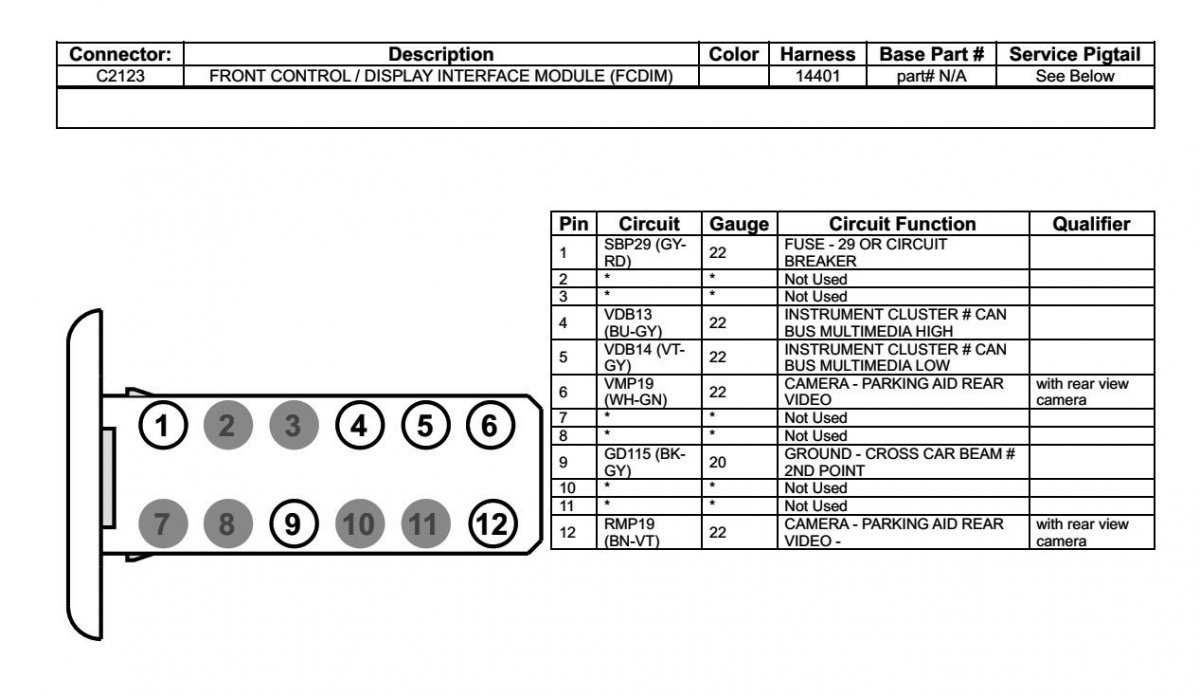
Start by labeling each button on the interface panel according to its function, including volume adjustments, track navigation, phone interaction, and mode selection. Clear identification prevents confusion during testing.
Trace each connection from the button terminals to the module inputs using a continuity tester. Note the line colors and lengths to match signals accurately and avoid cross-connection with unrelated circuits.
Separate ground and power lines from signal paths. Ground typically uses black or brown insulation, while power carries 5–12V logic depending on the manufacturer. Correct separation minimizes interference between command signals.
Document logic levels for each button: some inputs require pulsed voltage, while others respond to steady states. Use a digital multimeter to verify and record voltage behavior before linking to the main module.
Test each button individually by applying small voltage or continuity checks. Confirm that pressing a button produces a corresponding signal at the interface output without noise or unintended activation of other circuits.
Organize signal lines into grouped bundles with cable ties, ensuring they remain distinct and easily traceable. Avoid tight bends or overlaps that may cause short circuits or degrade signal integrity over time.
Label and photograph each connection once verified. Maintaining a visual record of button functions and signal routes simplifies troubleshooting, future upgrades, and replacement of any electronic components without removing the entire assembly.