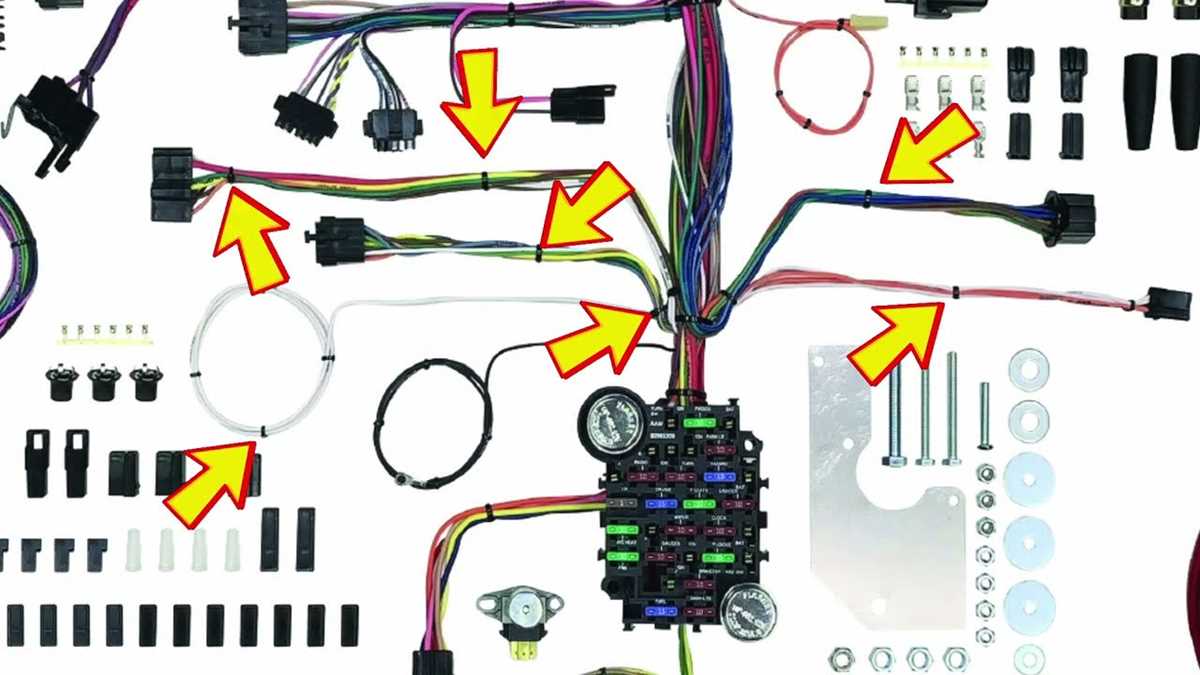
Use color-coded insulated connectors to clearly identify positive and negative lines. Choose connectors rated for at least 5 amperes for small home setups to avoid overheating and voltage drops.
Maintain consistent spacing between junction points to prevent accidental shorts. For long runs, use thicker gauge wires to reduce resistance and preserve stable current flow across all endpoints.
Secure all terminals with screw clamps or crimping tools rather than twisting wires. This ensures reliable mechanical and electrical contact under continuous use and reduces the risk of loose connections.
Test each segment with a multimeter before final assembly. Measure continuity and load current to verify that each branch receives correct voltage and no unintentional paths are present. Minor adjustments in wire length and connector placement can balance performance across the installation.
Step by Step Electrical Connection Guide
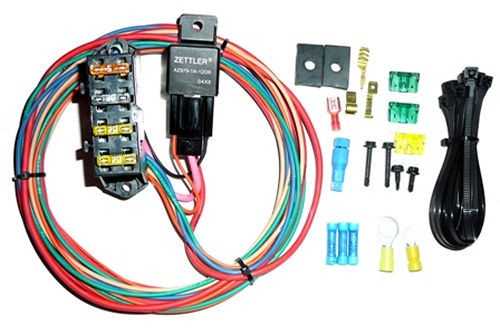
Use connectors rated for the expected current load to maintain stable performance and avoid overheating. For small household projects, 5-10 ampere connectors are sufficient for most circuits.
Label each line clearly with color-coded tape or markers. This reduces errors during assembly and helps identify positive and negative paths quickly during testing or maintenance.
Keep all junction points at least 1 centimeter apart to prevent accidental shorting. For longer runs, choose thicker wires to maintain voltage stability and reduce energy loss over distance.
Crimp or screw terminals securely rather than twisting wires together. Proper mechanical contact ensures consistent electrical flow and prevents loose connections that can create sparks or intermittent faults.
Parallel Connections
Provide individual current-limiting elements for each branch in parallel setups. This prevents uneven distribution of current and ensures that all components receive the correct power level without overloading any single path.
Check continuity with a multimeter before powering the system. Measure resistance and voltage across each segment to detect misrouted lines or hidden shorts before final assembly.
Route wires neatly along the frame or panel edges using cable clips or tie wraps. Organized runs minimize stress on connections, reduce accidental pulls, and make future modifications easier.
Final testing should include a load test to confirm that all branches maintain stable current under operating conditions. Adjust connector tightness or replace underperforming terminals if any segment shows voltage drop or flickering.
Choosing the Right Connectors and Insulation for Safe Electrical Assembly
Select connectors rated above the expected current load to prevent overheating and maintain consistent performance. For household projects, terminals rated 5-10 amperes are usually sufficient for small and medium branches.
Use color-coded heat-shrink tubing or insulated sleeves for each line. This clearly identifies polarity and reduces the risk of accidental shorts during assembly and testing.
Crimp terminals firmly with a proper tool rather than twisting or soldering bare wires without insulation. A secure mechanical connection prevents intermittent contact and sparks under load.
When running multiple lines together, leave at least 1-2 centimeters between connectors to prevent accidental contact. For high-current paths, consider double insulation or thicker sleeves to reduce thermal buildup and mechanical stress.
Test all connections with a multimeter after assembly. Check for continuity and resistance, and replace any terminals that show significant voltage drop or loose fit to ensure long-term reliability and safety.