To successfully connect a recovery system to your vehicle, start by ensuring that the power supply is correctly routed. You’ll need a solid connection between the vehicle’s battery and the recovery unit, making sure to use the appropriate gauge of wire to handle the current. A proper grounding system is equally important, so ensure that the negative connection is secure and corrosion-free.
Next, confirm that all the necessary components, such as relays, switches, and fuses, are in place. This ensures protection from short circuits or overloads, which could damage the electrical system. Ensure you follow the manufacturer’s specifications for fuse ratings and relay installation to avoid unnecessary issues during operation.
Finally, carefully test all connections before fully securing them. A visual check and a basic functional test will help catch any potential errors that could lead to failure in a critical moment. Once everything is checked, secure the cables properly to prevent them from coming loose during use or getting damaged by external elements.
Steps for Properly Wiring a Recovery System to Your Vehicle
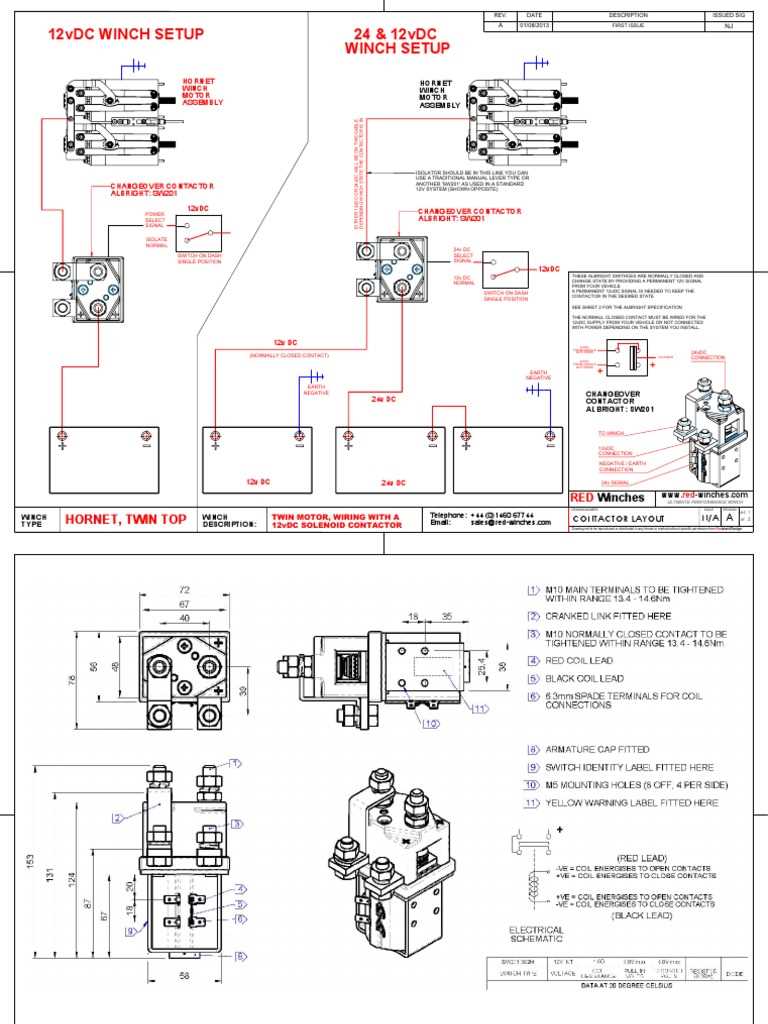
Begin by determining the optimal location for mounting the system on your vehicle. It should be placed where it is easily accessible but also protected from potential damage. Most commonly, this is at the front or rear bumper, depending on your vehicle’s design and intended use.
Next, connect the positive lead of your battery to the system’s input terminal. Use a thick, insulated cable that is rated for high amperage to avoid overheating. Ensure the connection is tight and secure, as a loose connection can result in loss of power or electrical fires.
After connecting the positive terminal, route the ground wire to a solid, unpainted metal part of your vehicle’s frame. This is crucial for creating a strong return path for current, preventing voltage drops and potential damage to the vehicle’s electrical system.
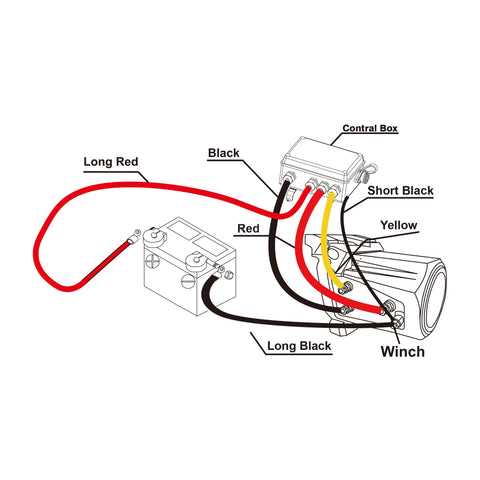
Now, install a relay or solenoid near the battery to control the power flow. This acts as a switch to prevent excessive current from flowing directly to the system’s components, protecting the vehicle and the recovery unit itself. Follow the relay’s wiring instructions to ensure proper placement of the wires.
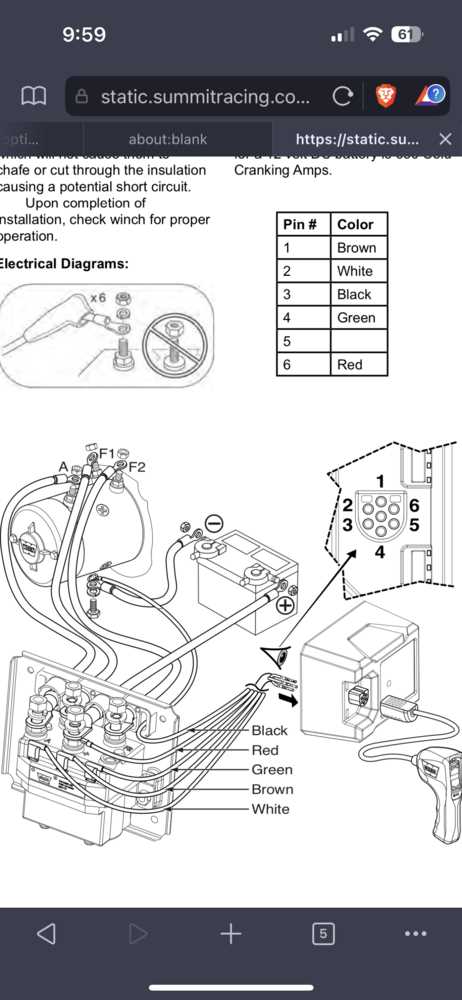
Once the power is routed, install the switch that will control the system from the vehicle’s interior. The switch should be easily accessible and should be wired to the relay or solenoid for activation. Use a waterproof switch if your vehicle is likely to encounter harsh weather conditions.
Lastly, double-check all connections for security and insulation. Test the system with the vehicle running to ensure everything is functioning as expected. Make sure there are no loose wires or exposed connections that could cause short circuits or malfunctions during operation.
Common Mistakes to Avoid When Connecting a Recovery Device
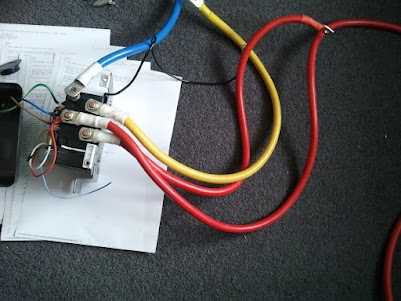
One of the most frequent errors is using incorrect wire gauge. Using too thin a wire can lead to overheating and potential damage to both the device and the vehicle. Always choose a wire size that is rated for the current draw of the unit, ensuring it can handle the load without resistance.
Another common mistake is failing to properly secure the connections. Loose or improperly tightened connections can cause intermittent power issues, shorts, or even sparks. Always ensure that the terminals are tightly fastened and that the cables are free of any corrosion or damage before making the connection.
Neglecting to use a fuse or circuit breaker is another risk. A fuse or breaker acts as a safety feature, cutting off the power in case of a short circuit or overload. Without it, excessive current could damage the electrical system, potentially leading to fires or failure of components.
Using the wrong type of switch can also be problematic. A standard switch may not be able to handle the high current draw needed to operate the device. Ensure that you are using a switch that is rated for the amperage required, and consider using a sealed, weather-resistant switch for durability in outdoor environments.
Another mistake is improper grounding. If the ground connection is not properly made to the vehicle’s frame, it can lead to electrical instability, voltage drops, and malfunctioning of the system. Always ground the negative wire to a clean, unpainted metal surface for a solid connection.
Routing cables incorrectly is another mistake that could lead to wear and damage. Ensure that the cables are kept away from sharp edges, hot surfaces, or moving parts that could cause them to fray or short. Use protective sheaths or cable ties to secure and protect the cables from any potential hazards.
Lastly, never forget to check the polarity. Connecting the positive and negative terminals incorrectly can cause immediate damage to both the electrical components and the device itself. Double-check the polarity of every connection to avoid costly mistakes.
By avoiding these common mistakes, you can ensure that the system operates efficiently, safely, and reliably when needed the most. Proper installation is key to both the longevity of the system and the safety of the vehicle’s electrical setup.