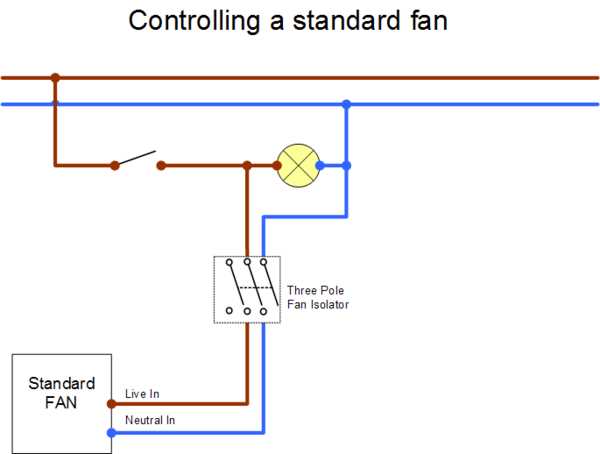
To wire both ceiling lighting and ventilation in one system, start by ensuring each function has its own control switch. This allows you to turn on the light and fan independently. Begin by locating the power source and selecting the appropriate gauge wire for each device. The fan requires a thicker wire due to its higher current demand, while the light can be connected with a thinner gauge.
Ensure that the live wire from the power source is connected to the live terminals of both the light and the ventilation device. The neutral wire should be routed to the neutral terminals of both units. Properly grounding the metal parts of each fixture is crucial for safety, preventing electric shock risks.
Use a dual-switch setup for controlling each fixture separately. This ensures that turning on the light does not activate the fan, and vice versa. If using a single switch, ensure the wiring supports simultaneous control of both, while still maintaining their separate functionality.
Before finishing, check the power ratings for both the light and the fan to avoid overloading the circuit. Consider using a fuse or circuit breaker for additional protection. After securing all connections, test both devices to ensure everything is wired correctly and functioning as intended.
Light and Fan Wiring Guide
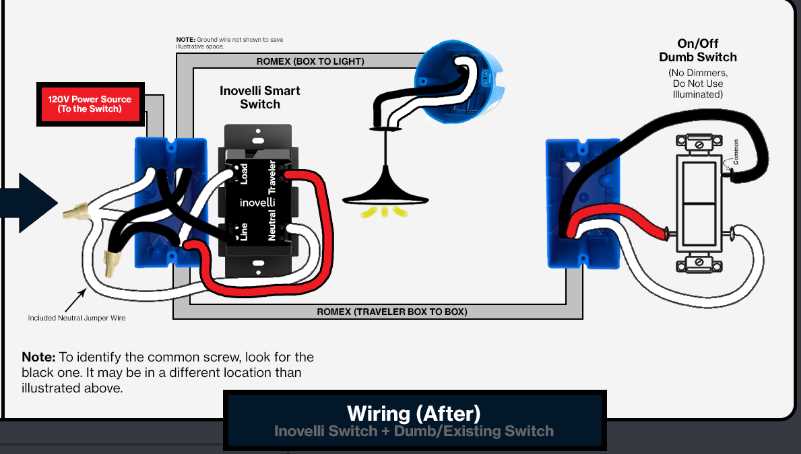
Start by selecting the correct wire gauge for your system, ensuring it meets both the power and safety requirements of the devices. For typical home installations, a 14/2 gauge wire is sufficient for low-power devices like lights, while 12/2 gauge is preferred for higher power needs like ventilation. Always check the manufacturer’s power rating for each device to ensure proper wire sizing.
The next step involves connecting the live wire from the power supply to both the lighting fixture and the ventilation unit. If you wish to control each device independently, run separate live wires from the switch to each unit, or use a dual-switch setup. Ensure that the neutral wire is connected from both units back to the main neutral bus bar.
Proper grounding is key. Both the light and the ventilation system should be grounded to prevent any electrical hazards. Use the ground wire to connect to the metal frames of each fixture and ensure they are securely attached to the ground bus in the electrical panel. This step protects against electrical shock in case of a fault.
If you’re working with a ceiling-mounted light and ventilation setup, it’s vital to consider the mounting box. Ensure the box is securely anchored to the ceiling and capable of supporting both the weight and the mechanical stress of the equipment. A box rated for both devices will provide additional safety and durability.
Next, connect the switches. For independent control, wire each device to its own switch. If you want a single switch to control both, the wiring will need to connect to a special switch that handles both devices. Use a switch rated for the combined load of both devices to avoid overloading the system.
Testing the Setup
After connecting the wiring, it’s important to test the system before finalizing the installation. Turn the power on and check each switch and fixture. The light and ventilation unit should each turn on and off independently if wired correctly. If there is any malfunction, double-check the connections and ensure no wires are loose or improperly connected.
Additional Considerations
If you’re running wires through walls or ceilings, be mindful of the local electrical code and ensure the wire is properly insulated and routed. Avoid sharp bends in the wire, as this could cause wear and short-circuits. Use cable clamps to secure the wires in place, ensuring they don’t move or become damaged during operation.
Finally, always follow local safety guidelines and consider hiring a licensed electrician if you’re unsure about any part of the installation. While basic installations can often be done by homeowners, any modification to the main power source or electrical panel should be performed by a professional to ensure safety and compliance with electrical codes.
Step-by-Step Instructions for Connecting a Light and Fan
Start by turning off the power to the circuit at the breaker box to avoid any risk of electrical shock during installation. This step is vital for safety before working with any electrical components.
Next, prepare the wires. Use 14/2 or 12/2 gauge wire depending on the power requirements of the devices. Cut the wire to the appropriate length, ensuring there is enough to reach from the power source to the switch and from the switch to the fixtures.
Connect the live wire from the power supply to the common terminal on the switch. This allows power to flow through when the switch is turned on. Use wire nuts or electrical connectors to secure the connections, making sure the wires do not come into direct contact with each other.
Connecting the Units
Run two separate live wires from the switch to the individual units. One wire will go to the lighting unit, while the other will be connected to the ventilation system. This will allow for independent control of each device. Ensure that both wires are properly connected to the terminals of each unit, ensuring tight and secure connections.
Neutral and Grounding
Now connect the neutral wire from both units back to the neutral bus bar. This completes the return path for the electrical current. For grounding, connect the ground wire from both the light and ventilation unit to the ground bus bar. It is crucial to secure the ground wire tightly to the metal frame of both devices for safety.
Check for continuity in the system by using a voltage tester on the wires to ensure no connections are loose. Tighten any loose connections and double-check the installation of the ground wire to avoid any potential hazards.
Once all wiring is complete, attach the units to their respective mounts. Ensure that the mounting boxes are securely attached and that both devices are stable and fixed. After the units are properly mounted, replace any covers or housings that were removed for installation.