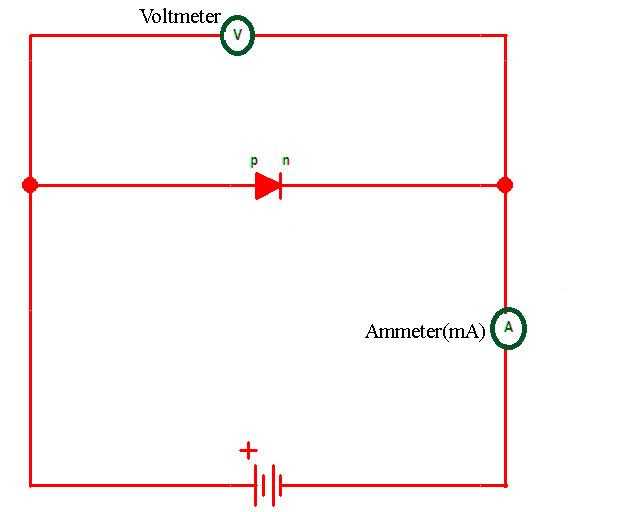
Connect each rectifying element with correct polarity to ensure current flows only in the intended direction. Use markings on the components to align anode and cathode leads accurately.
Use short, thick conductors for high-current paths to minimize voltage drops and prevent overheating. For low-power signal lines, maintain separation from high-current tracks to reduce interference.
Secure components firmly to the mounting board using solder joints or terminal blocks. Loose connections can lead to intermittent operation or signal distortion under load.
Test each section with a multimeter for continuity and proper forward and reverse conduction. Verify that voltage drops across each element are within expected ranges before powering the assembly.
Organize and label all connections to simplify troubleshooting. Use color-coded wires or tags for different paths and avoid crossing lines that may introduce noise or accidental shorting.
Diode Circuit Guide
Use a 1N4148 for high-speed switching applications where response time under 4 nanoseconds is required. Connect it in series with the load to prevent reverse voltage spikes that could damage sensitive components. Ensure the supply voltage does not exceed 100 volts to maintain device integrity.
For rectifying alternating current in low-power power supplies, choose a 1N4007 capable of handling up to 1 ampere forward current and with a peak repetitive reverse voltage of 1000 volts. Orient it so the cathode points toward the positive rail to achieve full-wave conversion in bridge arrangements.
Temperature stability is critical: for ambient conditions above 70°C, use a Schottky barrier type with a forward voltage drop of 0.2–0.4 volts to reduce heat generation. Mount on a small heatsink if current exceeds 500 milliamperes to prevent thermal runaway. Avoid placing near inductive loads without a protective snubber.
Signal Clipping and Protection
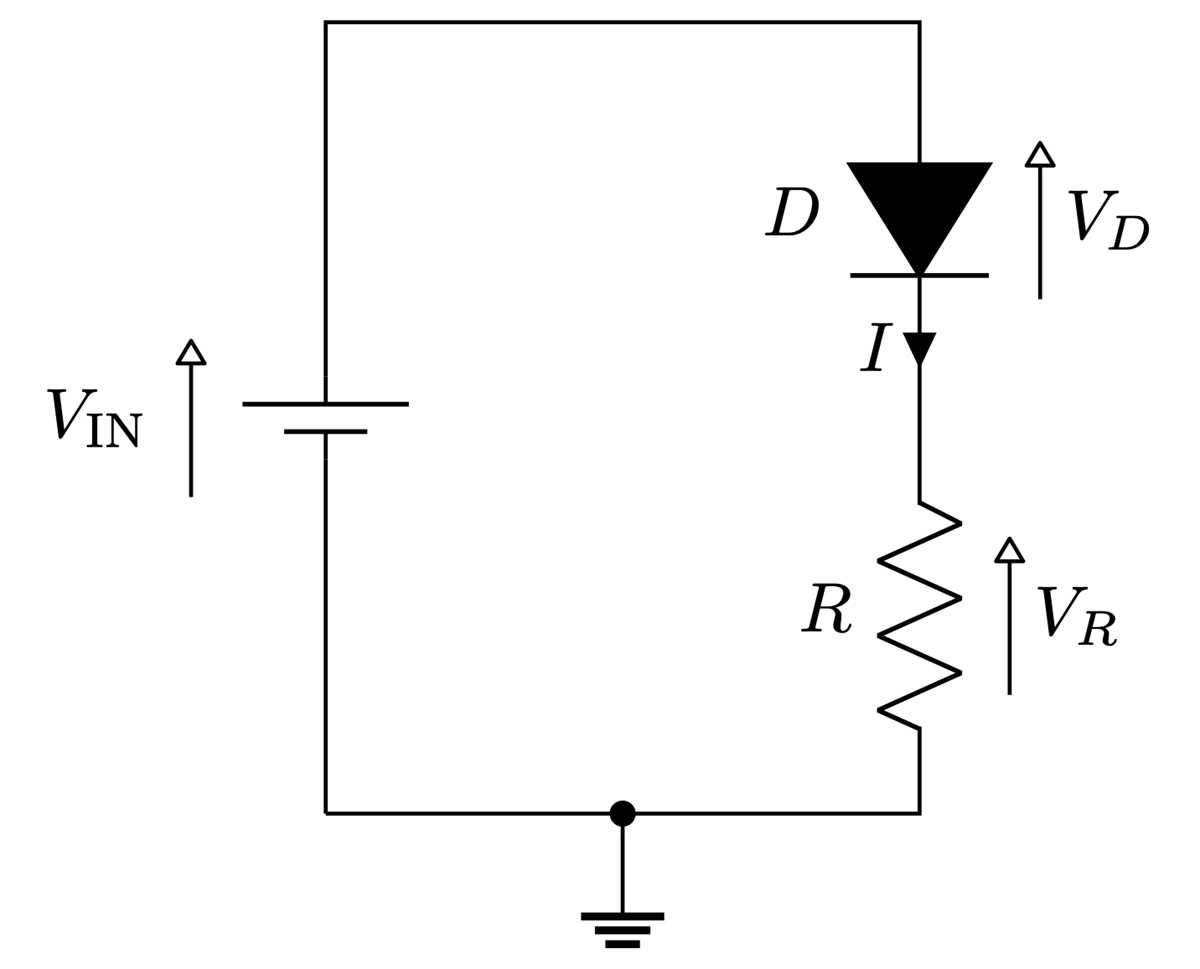
For limiting voltage spikes in signal paths, Zener devices with precise breakdown ratings, such as 5.6 volts or 12 volts, are effective. Connect them in reverse bias across the signal line; they remain inactive under normal operation but clamp voltages exceeding the threshold. Verify that the power rating matches expected transient energy to prevent failure.
Switching and Logic Control
In logic-level switching, use small signal units with maximum leakage under 50 nanoamperes. Series resistors of 330–1k ohms prevent excessive current through the control line. Observe orientation carefully: forward-biased connection allows conduction, while reverse-biased blocks current entirely, enabling precise digital control of loads without mechanical relays.
Connecting Diodes for Rectifier Applications
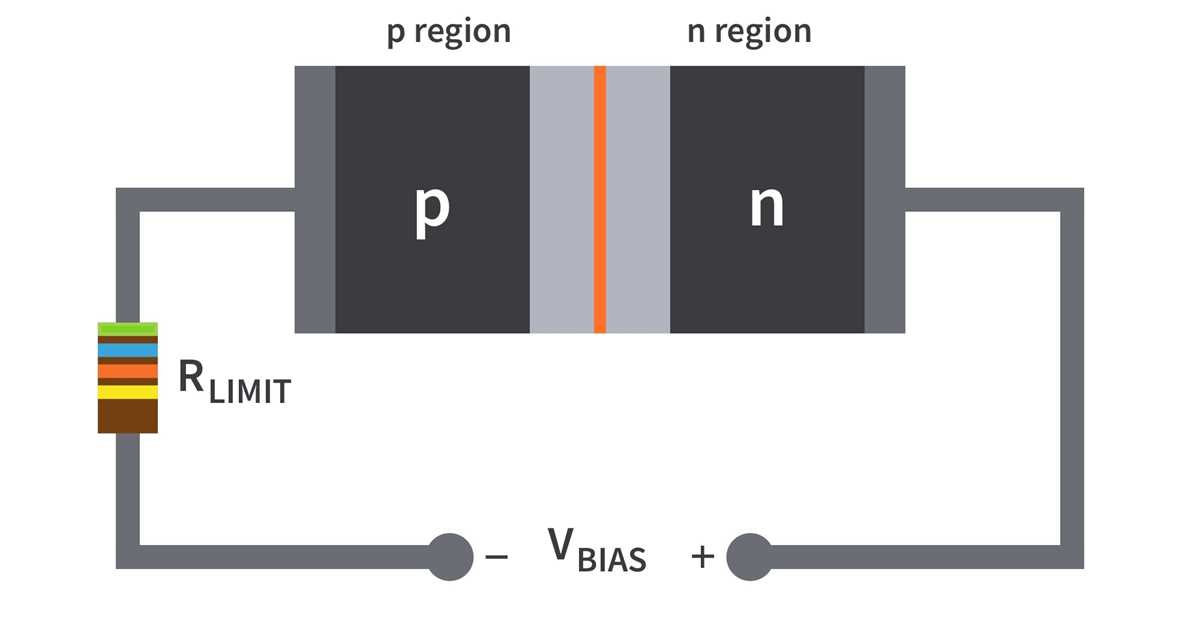
Use a bridge configuration with four 1N4007 components for mains voltage conversion up to 250 volts AC. Connect each element so that two conduct during the positive half-cycle and the other two during the negative half-cycle, ensuring a full-wave output. Place a 470 µF capacitor across the load to smooth voltage ripple.
For low-current applications under 200 milliamperes, a single unit in series with the load suffices for half-wave rectification. Verify that the peak repetitive reverse voltage rating exceeds the AC peak by at least 50 percent to avoid breakdown under spikes.
Heat dissipation becomes significant at currents above 1 ampere. Mount elements on a small aluminum plate or attach a clip-on heatsink. Keep traces short and wide on the board to reduce series resistance and prevent localized heating.
Series and Parallel Configurations
When higher voltage handling is needed, connect multiple small signal units in series. Match forward voltage drops within ±0.05 volts to ensure even sharing. Use 10–100 ohm resistors across each element to balance leakage currents in reverse bias.
For higher current requirements, place identical units in parallel. Confirm that forward voltage characteristics match within 0.1 volts to prevent one component from carrying disproportionate load. Add small resistors, 0.1–0.5 ohms, in series with each parallel branch to equalize current distribution.
Protection and Filtering
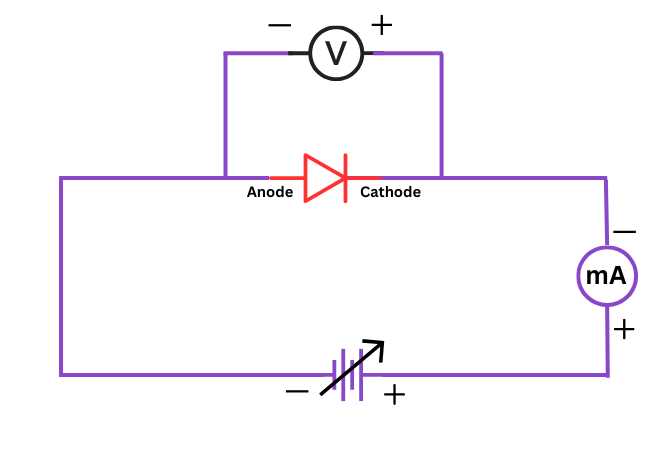
Integrate a fast-acting 0.5 A fuse in series with the AC input to prevent damage from overloads. Place a small ceramic capacitor, 0.01–0.1 µF, across each unit to reduce high-frequency noise. For inductive loads, include a 100–470 ohm resistor and 0.1 µF capacitor in snubber arrangement to suppress voltage spikes.
Verify polarity carefully: anode to positive and cathode to negative in forward bias paths. Incorrect orientation can result in zero conduction and potential overheating. Measure output voltage with a multimeter to ensure expected rectified levels before connecting sensitive electronics.