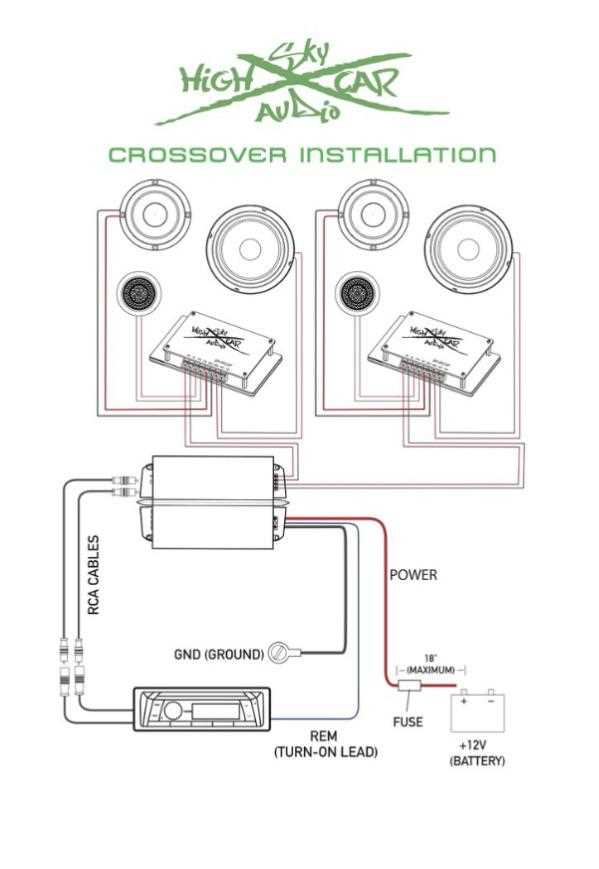
Attach the positive lead directly to a fused power source rated for the total output of your system. Use 8-gauge or thicker cable for outputs exceeding 200 watts to avoid voltage drops and overheating during high-demand playback.
Create a secure chassis ground by removing paint and corrosion from the contact area. A short, solid connection minimizes noise, prevents signal dropouts, and stabilizes overall performance of the sound setup.
Keep signal lines separate from high-current conductors to reduce interference. Route RCA or signal connectors along one side of the cabin while high-amperage leads run along the opposite side for cleaner audio transmission and minimal hum.
Test every terminal with a multimeter before applying full power. Confirm continuity, check voltage at each output, and tighten any loose contacts to avoid blown fuses or damage to the equipment.
Secure all cables using clamps or ties to prevent vibrations from loosening connections. Proper routing also keeps wires away from sharp edges, heat sources, and moving parts, prolonging durability and reliability.
Connecting Power and Ground Leads for Vehicle Audio Boost
Run the positive conductor directly to a fused battery terminal rated above the maximum output of your device. Use 8-gauge wire for systems up to 300 watts, 6-gauge for higher output. Ensure connections are tight and corrosion-free. Follow these steps:
- Install an inline fuse within 12 inches of the battery.
- Strip wire ends cleanly and crimp terminals securely.
- Route cables away from moving parts and heat sources.
- Check continuity with a multimeter before powering the system.
Establish a strong chassis ground by sanding metal to bare finish at the mounting point. Short, thick grounding reduces voltage fluctuations and prevents noise. Use a star washer under the terminal for maximum contact. Avoid paint, rust, or plastic surfaces. Test with a multimeter to confirm minimal resistance, ensuring stable performance under load and avoiding intermittent power drops during playback.
Connecting RCA and Speaker Outputs to the Head Unit
Use high-quality RCA cables to link the preamp outputs to the external unit. Keep signal lines at least 12 inches away from high-current conductors to avoid hum or interference. Secure cables along the vehicle’s interior panels using clips or zip ties to prevent vibration noise and wear.
Speaker Lead Setup
Match output channels carefully to prevent phase issues. Positive and negative terminals must align with the unit’s outputs and speakers. For multiple speakers, consider bridging outputs only if the device supports it and check impedance ratings. Use the following table for guidance:
| Speaker Type | Nominal Impedance | Recommended Output Connection |
|---|---|---|
| Front Left | 4 Ω | Front L+ |
| Front Right | 4 Ω | Front R+ |
| Rear Left | 4 Ω | Rear L+ |
| Rear Right | 4 Ω | Rear R+ |
Signal Verification
Before finalizing, test each channel individually at low volume. Check for clarity, hum, or reversed polarity. Tighten loose terminals and adjust cable paths if interference occurs. Confirm impedance compatibility to avoid distortion or overheating of the system.
Testing Connections and Troubleshooting Common Issues
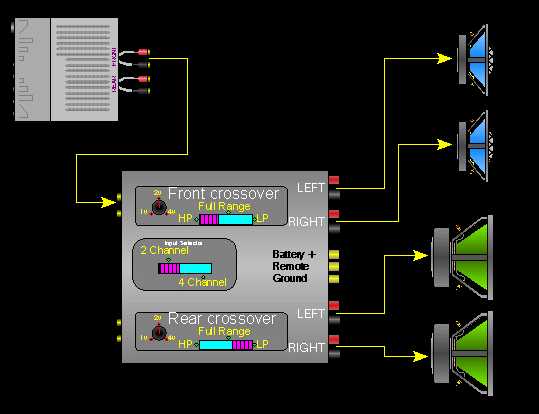
Check all power and ground leads using a multimeter before applying full current. Ensure the voltage at the positive terminal matches battery output and that the chassis connection shows less than 0.1 ohms resistance to avoid voltage drop or intermittent operation.
Inspect signal lines individually by disconnecting one channel at a time. Play test tones through each path to confirm clarity and detect hum or distortion. Keep RCA cables separated from high-amperage leads to minimize electromagnetic interference.
Verify speaker polarity by tapping the cone lightly; it should move outward on a positive pulse. Reverse connections immediately if movement is inward to prevent phase cancellation and weak low-frequency response.
Check fuses and inline protectors for continuity. Blown fuses often indicate shorts or incorrect wire gauge. Replace with the correct amperage rated fuse and rerun the test to ensure stable operation under load.
Listen for audible distortion at low and moderate volume before full power. Consistent hissing, popping, or buzzing usually points to loose connections, poor grounding, or damaged cables. Tighten terminals, reroute wires, and inspect connectors for oxidation.
Document all adjustments and test results. Use a systematic approach by addressing one channel or line at a time. This method isolates faults efficiently, reducing trial-and-error and preventing damage to electronic components during troubleshooting.