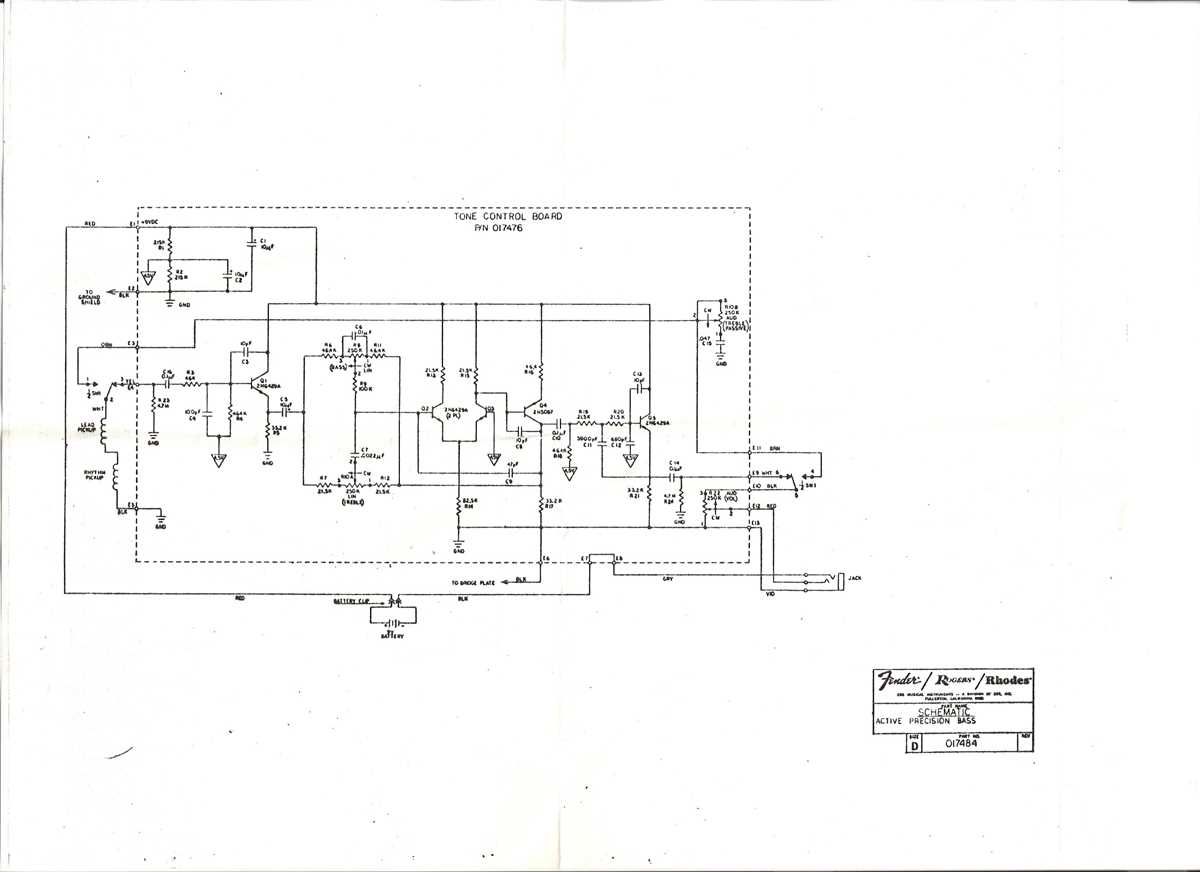
If you’re planning to modify or repair your instrument, understanding the electrical connections is key. Start by inspecting the pickup leads and the potentiometers that control the tone and volume. Each of these parts plays a role in shaping the sound output, so ensuring they are correctly wired is crucial for achieving optimal performance.
The main focus is on the correct placement of the positive and negative connections. Pay close attention to the grounding system, as a poor connection can lead to unwanted hum or signal loss. Be sure to check the capacitor’s positioning, as this component helps to filter out higher frequencies when adjusting the tone control.
Additionally, if you need to replace components like the output jack or the switch, ensure the replacement parts match the original specifications to maintain sound clarity. This guide will walk you through the specifics of each connection, so you can confidently wire your instrument with precision.
Wiring a Bass Guitar for Optimal Performance
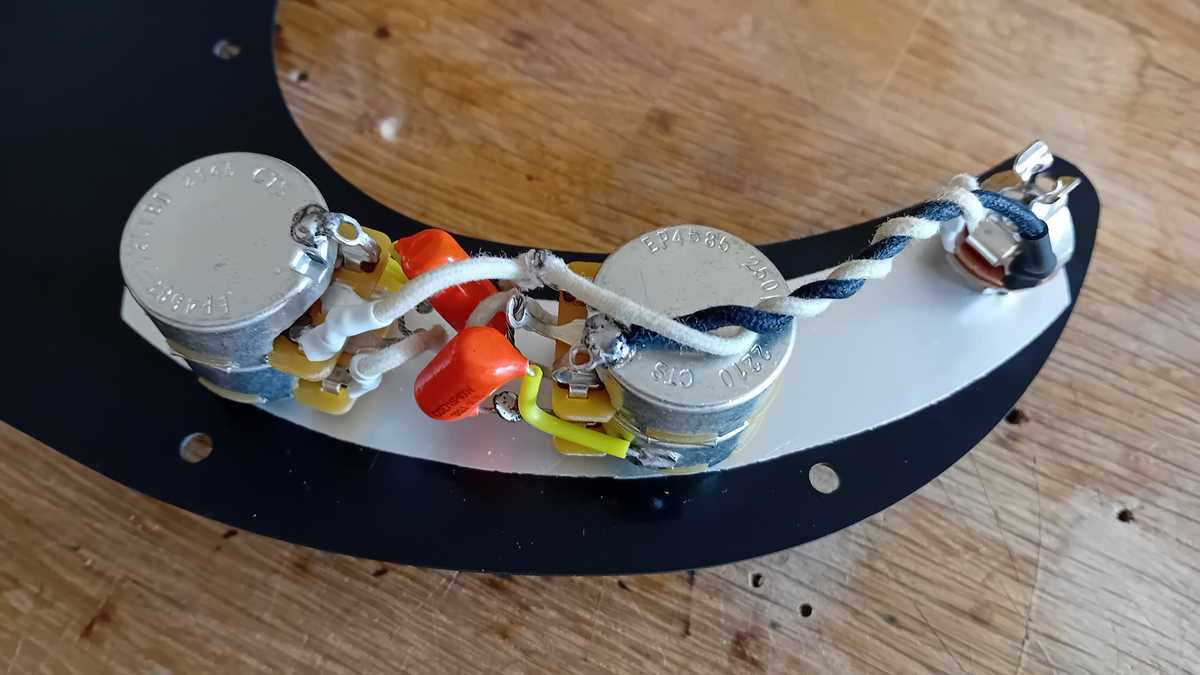
Start by identifying the input and output connections. The jack is the starting point for transmitting signals from the pickups to the amplifier. Ensure that the tip (positive) and sleeve (ground) of the jack are properly connected. A solid connection here is necessary to prevent audio issues.
Next, focus on the pickups. These pickups are responsible for converting string vibrations into electrical signals. Both the neck and bridge pickups must be properly connected to the tone and volume controls. Typically, the hot wire from each pickup connects to a potentiometer, which controls the volume and tone adjustment.
The tone control circuit usually includes a capacitor to filter high frequencies. This capacitor must be placed in series with the tone potentiometer. A common mistake is wiring this incorrectly, which can cause the tone control to function improperly or result in a lack of tonal adjustment.
When wiring the volume control, it’s important to remember that the potentiometer’s center lug is where the signal will be fed to the output jack. The outer lugs control the signal input and ground, allowing you to adjust the volume level. A clean connection here ensures that the signal strength remains stable.
Ensure that all ground connections are securely attached to the chassis. A poor ground connection can lead to unwanted noise or hum, which negatively impacts the overall sound quality. All metal components in the electrical system should be connected to a common ground point for optimal performance.
The selector switch is used to toggle between different pickups, depending on your tone preferences. Make sure the switch is wired correctly, allowing it to send the signal from the selected pickup to the potentiometer and then to the output jack. Miswiring this component can result in malfunctioning switches or incorrect signal routing.
When you replace or upgrade components, always use parts that match the original design in terms of value and specifications. Using mismatched components can lead to inconsistent performance, affecting both the tone and reliability of your instrument.
Finally, double-check all connections with a multimeter before powering up the system. This ensures that there are no short circuits or faulty connections. By verifying continuity and ensuring a stable electrical flow, you can avoid damaging components and ensure your bass guitar performs optimally.
How to Wire a Precision Bass for a Basic Setup
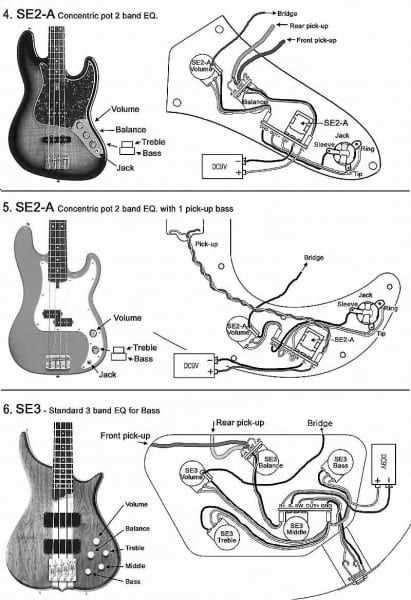
Begin by identifying the components of the electrical system. You’ll need a jack for the output, two potentiometers for controlling volume and tone, and the pickups. Start by connecting the positive lead from the neck pickup to the input of the volume control potentiometer. The ground from the pickup should be connected to the main ground bus. Similarly, connect the bridge pickup in the same manner, ensuring that each component is properly grounded to avoid any potential noise interference.
Next, connect the tone potentiometer to the volume control. The center lug of the tone control should connect to the output of the volume potentiometer. The tone control potentiometer will regulate the signal’s high frequencies, allowing you to adjust the tonal output. Double-check the ground connections to ensure they’re firmly attached to the metal parts of the instrument for a stable signal. After completing the setup, test the connections using a multimeter before powering the system on to confirm there are no shorts or open circuits.