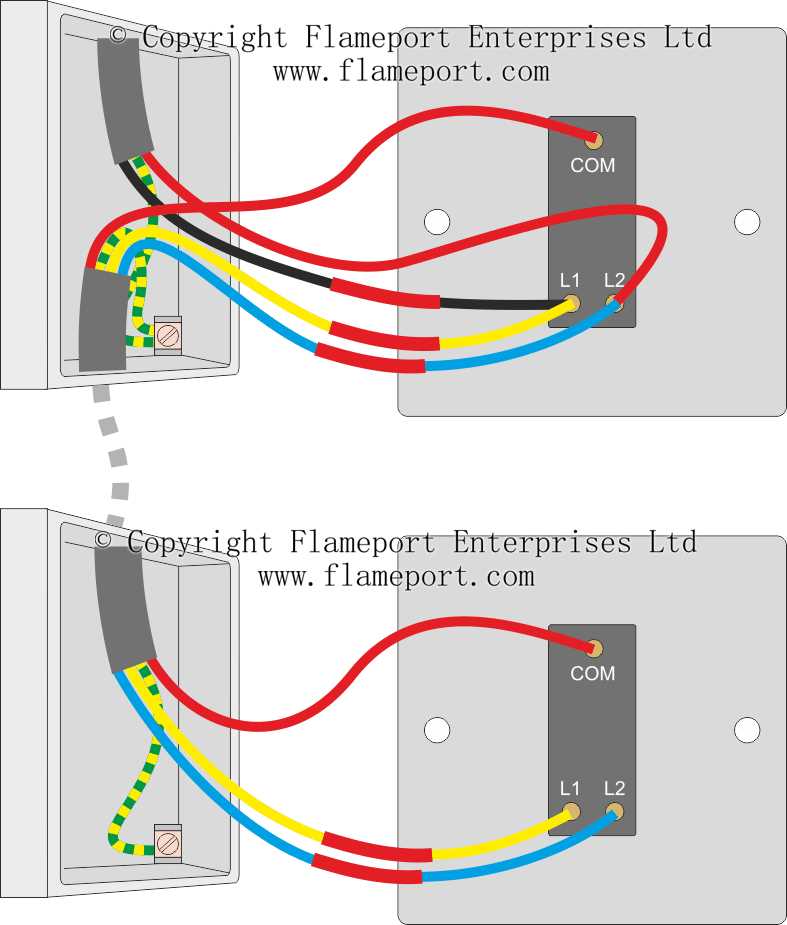
Use labeled circuits to avoid overloads when installing new ceiling or wall fixtures. Identify each breaker and mark the connections to ensure accurate setup and safe operation.
Follow standard color codes for all conductors: black or red for live, white for neutral, and green or bare copper for ground. This prevents short circuits and simplifies future maintenance or upgrades.
Plan the layout before cutting or drilling. Measure distances between power sources and fixtures, account for switch placement, and calculate wire lengths to prevent unnecessary extensions or splices.
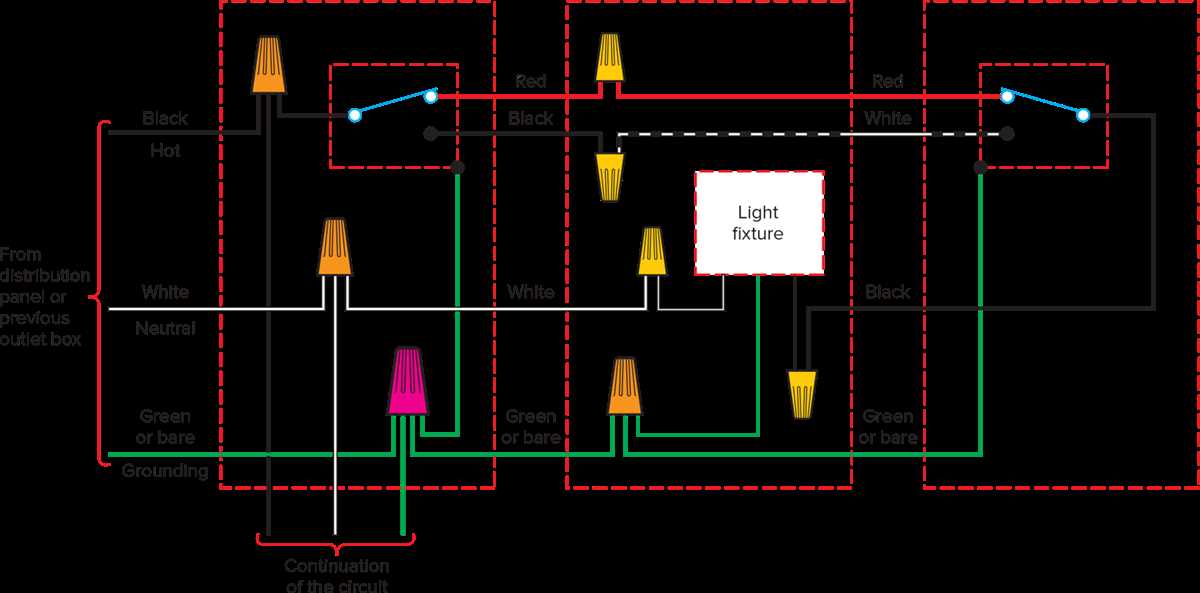
Test each section with a multimeter before completing the installation. Confirm voltage and continuity to ensure that all circuits are correctly connected and protected by the appropriate fuses or breakers.
Connecting Fixtures and Switches Safely
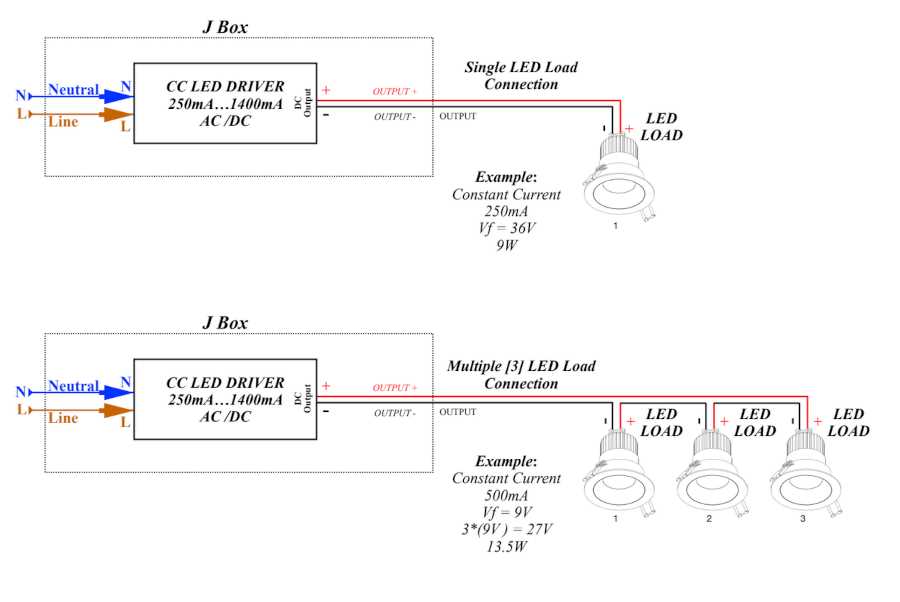
Always switch off the main circuit before attaching new ceiling or wall modules. Use labeled terminals for each connection point and check that all conductors are firmly secured to prevent loose contacts or sparks. Ensure that junction boxes are sized correctly to accommodate all cables without bending or crowding.
For complex arrangements, map the flow from power sources to each module. Include the position of dimmers, motion sensors, and multiple switches in the layout. Confirm the continuity and voltage with a tester after each connection to detect errors before completing insulation and covering panels. Maintain clear separation between live and neutral paths to reduce interference and potential hazards.
How to Connect Switches and Fixtures Safely
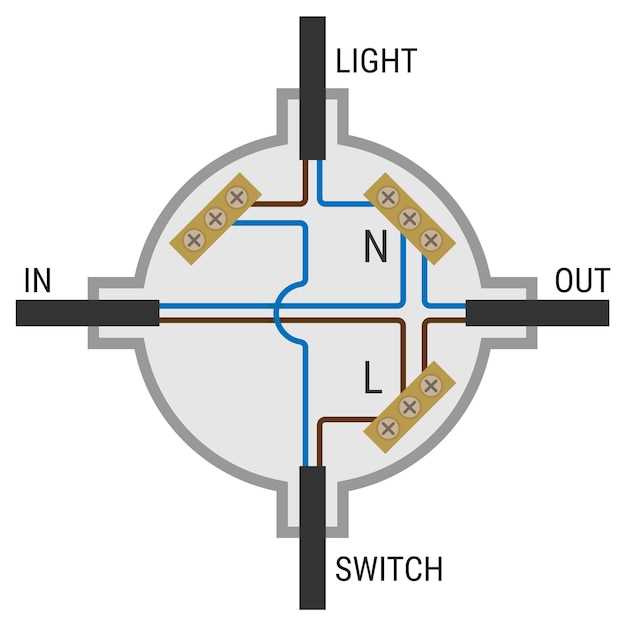
Turn off the main breaker before starting any installation. Confirm the absence of voltage at the switch and fixture points using a non-contact tester to prevent shocks during handling.
Choose the right cable type and gauge for each circuit. For standard room circuits, use 14-gauge copper for 15-amp breakers and 12-gauge for 20-amp breakers. Verify that conductors are not frayed or damaged before inserting them into terminals.
Install switches in accessible boxes with proper depth to allow all connections without stress. Keep a minimum of 1 inch of wire inside the box after termination to facilitate future maintenance.
Follow these steps for connecting fixtures:
- Match each wire color: black or red to live, white to neutral, green or bare to ground.
- Twist exposed copper ends tightly before inserting into screw terminals or push-in connectors.
- Secure all connections with electrical tape for extra hold, especially in older devices with worn clamps.
Test connections individually before closing boxes. Turn on the breaker briefly to check for proper operation of switches and illumination units, then switch off again to finish insulating and covering.
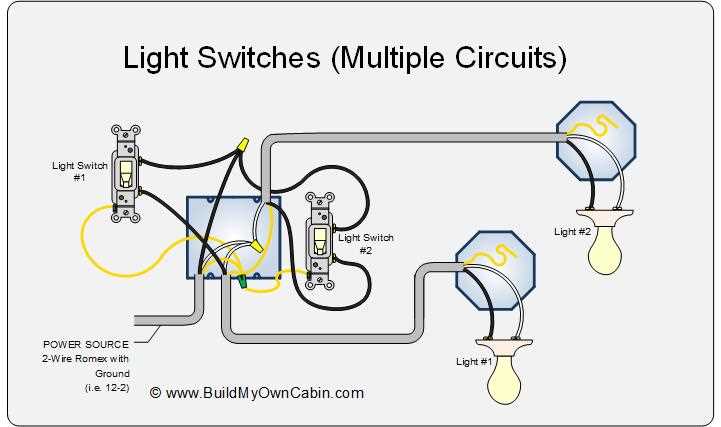
Label each switch and corresponding fixture using tags or markers. This simplifies troubleshooting, reduces accidental cross-connections, and ensures that future modifications can be made without guessing circuit paths.