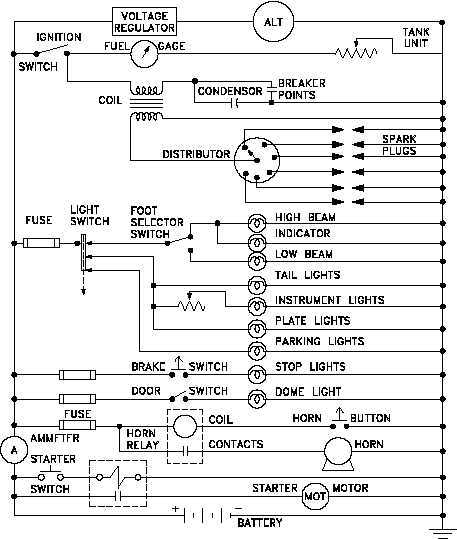
Check fuse and relay positions before attempting any modifications to the dashboard or engine bay panels. Incorrect connections can blow fuses rated between 10A and 30A in under a second.
Label all terminals and harness ends with permanent markers or colored tape. Use a multimeter to verify voltage levels: red wires typically carry 12V constant while yellow or blue wires may supply switched power for infotainment modules.
Follow documented paths for lighting circuits, noting that tail, brake, and signal circuits share common grounds. Avoid combining high-current feeds with sensor lines to prevent interference.
Identify ground loops by checking continuity between the negative battery terminal and chassis points. Proper grounding reduces flickering in dashboards and audio components.
Trace signal pathways using short jumper leads while monitoring with a test light. Confirm that inputs from switches correspond to expected outputs on connectors without overloading the lines.
Document each connection with sketches or a labeling system. Highlight critical paths like ignition-controlled feeds, accessory lines, and battery-direct circuits to simplify troubleshooting in future upgrades.
Use connectors designed for automotive environments with pins rated for at least 15A and heat-resistant insulation. Proper mating prevents corrosion and intermittent faults during temperature fluctuations and vibrations.
Understanding Car Electrical Layouts and Connector Pin Assignments
Verify fuse locations and relay contacts before interacting with dashboard or engine bay harnesses. Use a multimeter to confirm voltage levels on terminals: red typically indicates battery-positive feeds, while black or brown signals represent grounding points. This prevents accidental shorts and protects sensitive modules connected to the main distribution block.
Map connector pin assignments by labeling each end of the harness with numeric or color codes. Focus on ignition-controlled feeds, accessory circuits, and sensor signal paths to maintain correct polarity and prevent feedback loops. Properly documented connections simplify future troubleshooting and upgrades while ensuring steady power delivery across lighting, infotainment, and control systems.
Identifying Power and Ground Connections in Vehicle Systems
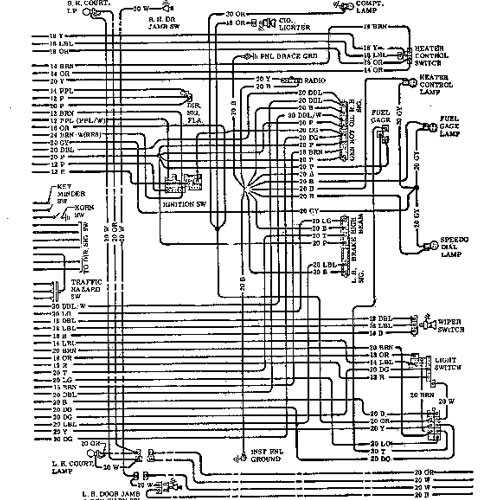
Check main fuse panels to locate positive feeds and high-current distribution points. Typically, red or orange wires deliver constant 12V from the battery, while ignition-controlled lines can be traced to switch terminals or relay outputs. Using a digital multimeter helps confirm live voltage and ensures connections are active before tapping or splicing.
Trace ground points along chassis mounts and engine blocks. Black, brown, or bare metal wires usually terminate at structural grounding locations. Confirm continuity between terminal ends and the negative battery post to avoid creating open circuits that can disrupt sensors, actuators, or dashboard indicators.
Document connection paths by creating a simple table or color-coded chart. Include:
- Source location (battery, fuse, relay)
- Terminal pin number or connector label
- Wire color and function
- Destination module or load
This approach helps maintain polarity consistency and reduces troubleshooting time during modifications or repairs.
Verify voltage drops across long runs using a multimeter under load conditions. Identify points where resistance is higher than 0.2 ohms to prevent dim lights or intermittent faults. Strengthen or replace connections showing excessive wear, corrosion, or loose crimps to maintain reliable power delivery across all vehicle subsystems.