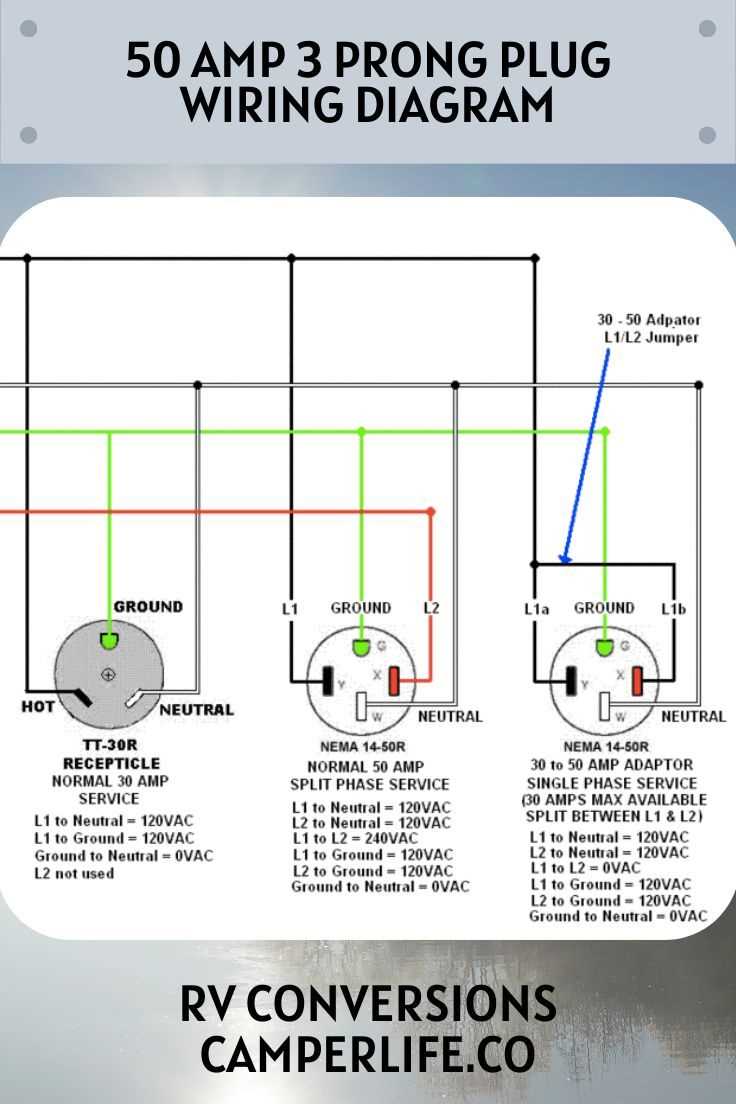
Attach the live conductor to the designated terminal marked with L and ensure it is securely fastened to prevent loose contact. Use 14 or 16 gauge copper strands for standard household circuits.
Connect the neutral conductor to the corresponding terminal labeled N and verify continuity with a multimeter. Twist stranded wires tightly before inserting them to avoid stray strands that could cause short circuits.
Attach the grounding conductor to the terminal marked with G and tighten the screw firmly. Check for metal-to-metal contact at the mounting point to ensure a reliable path for fault currents.
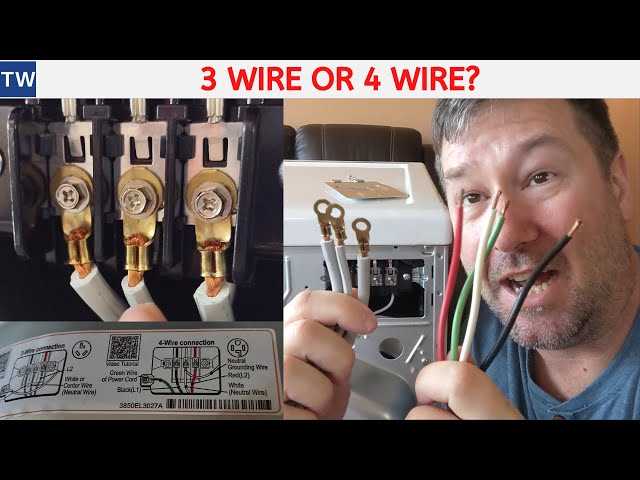
Step by Step Guide for Connecting a 3 Conductor Connector with Terminals
Begin by stripping approximately 1/2 inch of insulation from each conductor using a precision stripper. Inspect strands for any breaks and twist them tightly to prevent stray strands from causing short circuits.
Identify the terminals: live, neutral, and ground. Mark each conductor with tape or labels to avoid confusion during assembly, especially in setups with multiple connectors in proximity.
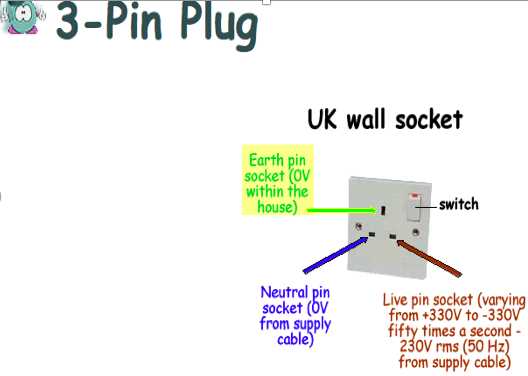
Insert the live conductor into the terminal marked L.
- Ensure the conductor sits fully inside the clamp.
- Tighten the screw to manufacturer torque specifications.
- Double-check that no strands protrude outside the terminal.
Next, attach the neutral conductor to the terminal labeled N.
- Confirm continuity with a multimeter.
- Secure the conductor with the terminal screw firmly.
- Avoid over-tightening to prevent deforming the connector.
Connect the grounding conductor to the G terminal. Verify metal-to-metal contact between the terminal and mounting point. This ensures safe dissipation of fault currents and reduces risk of electrical shock.
After all conductors are secured, perform a final check:
- Test continuity across each path.
- Inspect for exposed strands or loose connections.
- Operate the connected device to confirm stable electrical flow before closing the housing.
Identifying Terminals and Preparing Conductors for a 3 Conductor Connector
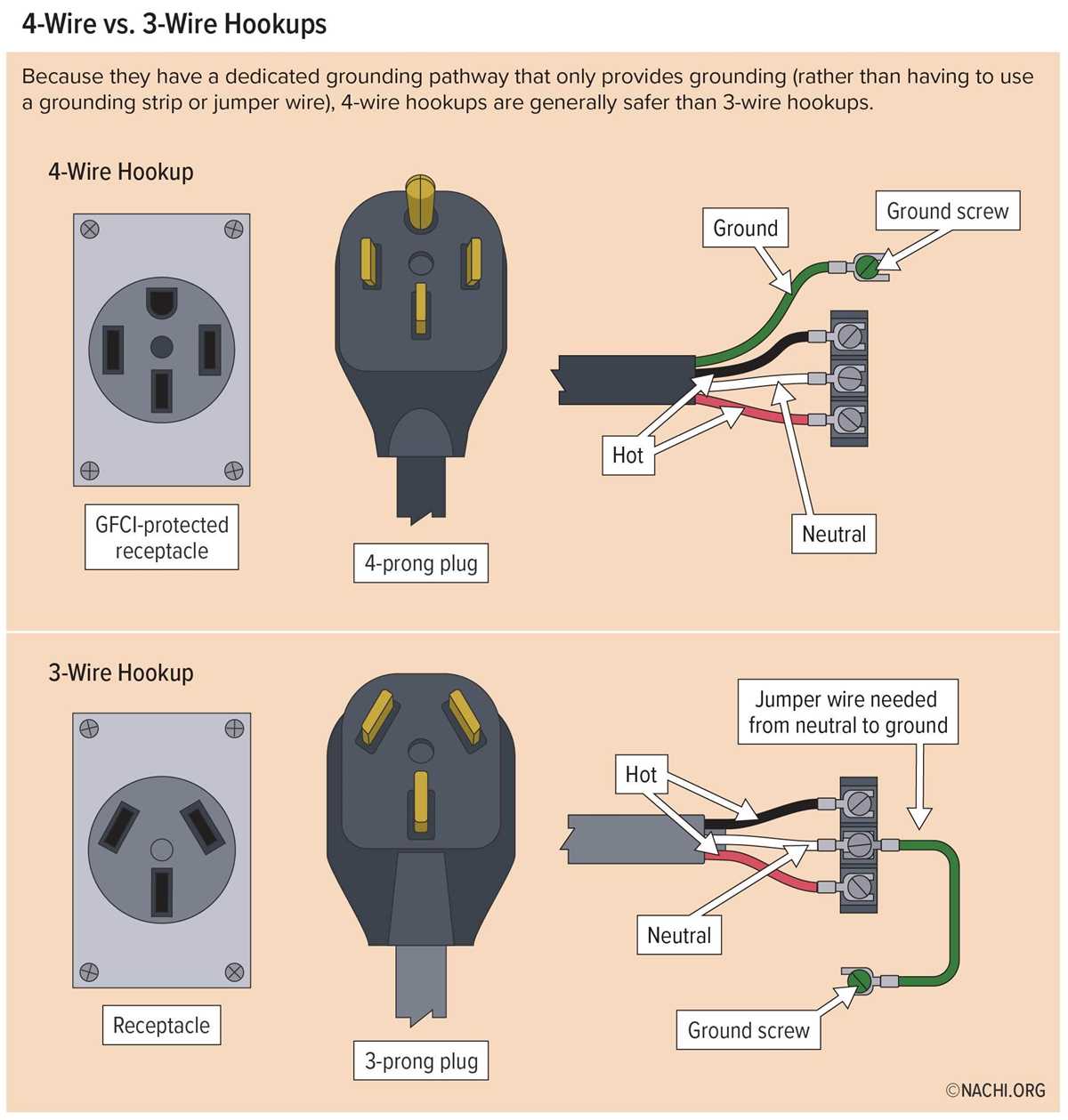
Locate the terminals labeled L, N, and G on the connector body. Use a flashlight or magnifier if markings are faint to ensure accurate identification.
Strip approximately 1/2 inch of insulation from each conductor using a precision stripper. Check for damaged strands and twist them together tightly to maintain a solid connection inside the terminal.
Mark each conductor with colored tape or permanent marker corresponding to its terminal: brown for live, blue for neutral, and green-yellow for ground. This prevents misconnection during assembly, especially in multi-connector setups.
Pre-bend the conductor ends into a slight hook shape for screw-type terminals or trim evenly for clamp-type terminals. Ensure uniform length to avoid overlapping or protruding strands that could cause shorts.
Before inserting, test each conductor with a continuity meter to confirm no internal breaks. Maintain clean ends free from oxidation or debris to guarantee stable electrical contact once secured in the connector.