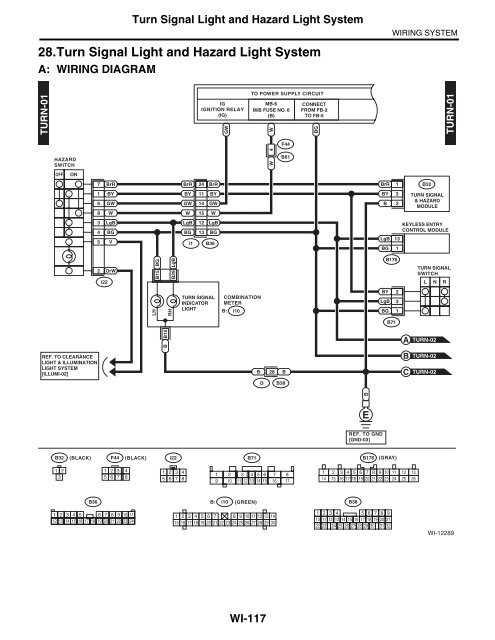
Use insulated copper wires rated at 1.5mm² or higher to handle the current load safely. Connect the power source to the flasher relay input and verify polarity before attaching any lamps.
Identify each output line from the switch module and mark left and right side connections separately. Short circuits or reversed leads can cause bulbs to flash incorrectly or fail completely.
Install fuses close to the battery or main power source to protect the system from overloads. A 10A fuse is typically sufficient for standard automotive indicator circuits.
Test each lamp individually using a multimeter or low current test light. Ensure the relay clicks consistently and each bulb illuminates without flickering before final assembly.
Turn Signal Electrical Connections Guide
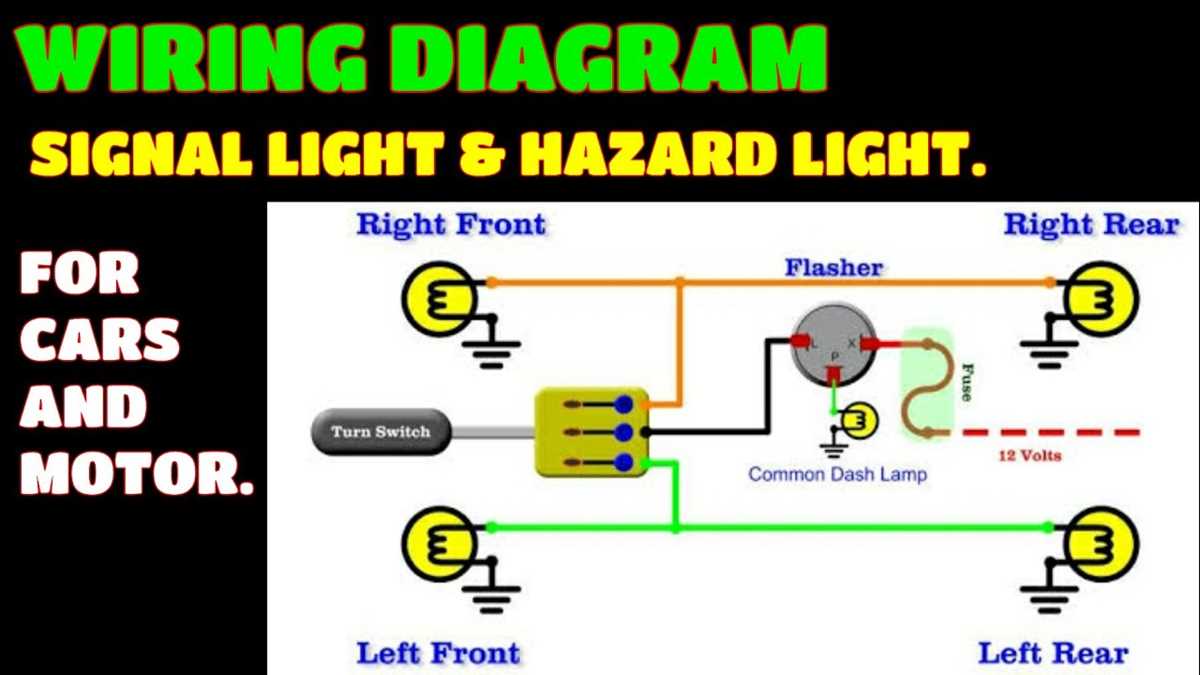
Begin by connecting the main power line to the input terminal of the flasher relay. Confirm that the positive and negative connections match the vehicle’s battery to prevent reverse polarity damage.
Separate the left and right indicator lines and label them clearly. Each line should go directly to the corresponding lamps, avoiding shared paths that may cause cross-illumination or uneven flashing.
Install inline fuses between the battery and relay to protect the circuit from overload. A 10A fuse is generally suitable for standard automotive indicator lamps.
Use appropriate connectors such as crimp terminals or insulated spade connectors. Ensure tight connections to reduce resistance and prevent intermittent failures during vibration or motion.
Verify bulb ratings before installation. Standard 12V automotive bulbs should match the output of the relay; mismatched ratings can cause dimming, rapid burnout, or relay malfunctions.
Route wires carefully along the chassis and secure them with clips or ties. Avoid sharp edges and moving parts that could wear through insulation and create shorts.
Test each lamp individually by activating the switch and confirming illumination and proper flashing intervals. Use a multimeter to check voltage at each lamp if performance is inconsistent.
Label all connections in the junction box or under the dashboard for future maintenance. Clear labeling simplifies replacement or troubleshooting without needing to trace each conductor manually.
Identifying Wires and Components for Turn Signals
Label each conductor coming from the switch module before connecting to lamps. Typically, there is one input from the battery, one neutral, and separate lines for left and right outputs. Clear labeling prevents incorrect connections that could cause malfunctions.
Inspect the flasher relay and verify its terminals. Identify the input, output, and ground connections, as incorrect placement can prevent proper flashing intervals or cause the relay to overheat.
Check bulb specifications to ensure voltage and wattage match the vehicle’s electrical system. Standard 12V bulbs with 21W ratings are common; using higher wattage without adjusting the relay may lead to premature burnout.
Identify fuses and inline protection within the circuit. Ensure each fuse is rated appropriately, usually 10A, and that they are positioned between the power source and relay to protect the components from overload.
Examine connectors including crimp terminals, spade connectors, and solder joints. Replace any corroded or loose connections to maintain consistent current flow and prevent intermittent lamp operation.
Trace each path from the switch to the lamp sockets using a multimeter. Confirm continuity and absence of shorts to the chassis or other wires before final assembly.
Organize and secure all components inside the junction box or under the dashboard. Proper routing and fastening reduce wear on insulation and simplify future maintenance or troubleshooting.