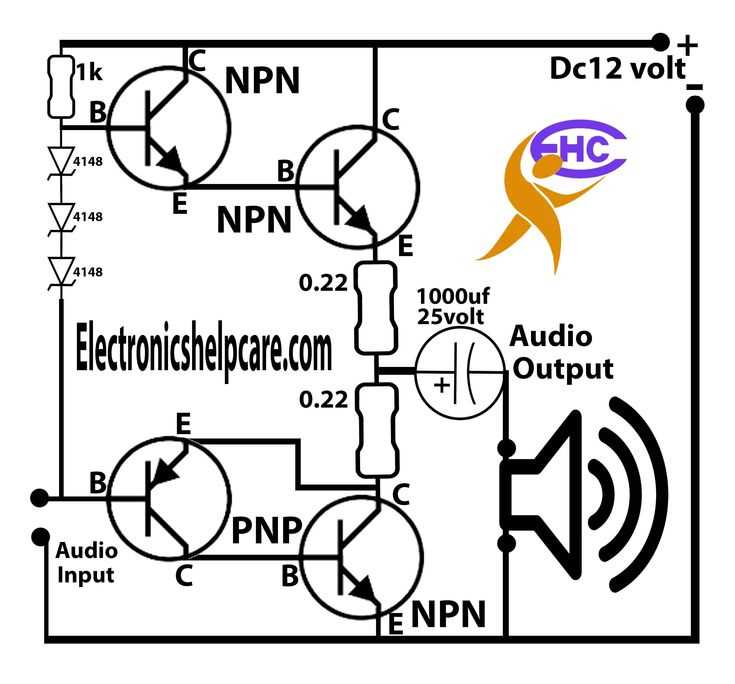
Connect the semiconductor switch with the collector linked to the load and the emitter grounded to stabilize current flow. Ensure the base receives a controlled voltage pulse to regulate the switching state accurately.
Measure voltage drops across each terminal using a multimeter to confirm proper biasing. The collector-emitter path should show minimal resistance when activated and high resistance when inactive.
Adjust base current to match the load requirements. For a 10 mA load, maintain a base current of approximately 1 mA using a resistor calculated with Ohm’s law to prevent overheating and maintain reliable operation.
Use a breadboard or test rig to verify timing and switching consistency under different load conditions. Check for voltage overshoot that could affect sensitive components downstream.
Inspect connections for loose solder joints or incorrect polarity. Reversing collector and emitter can cause the switch to fail or introduce leakage currents that affect performance.
Document all measurements and resistor values for future replication. Keeping precise data allows quick troubleshooting and helps maintain consistent operation across multiple units.
Connections and Layouts for Practical Semiconductor Switch Applications
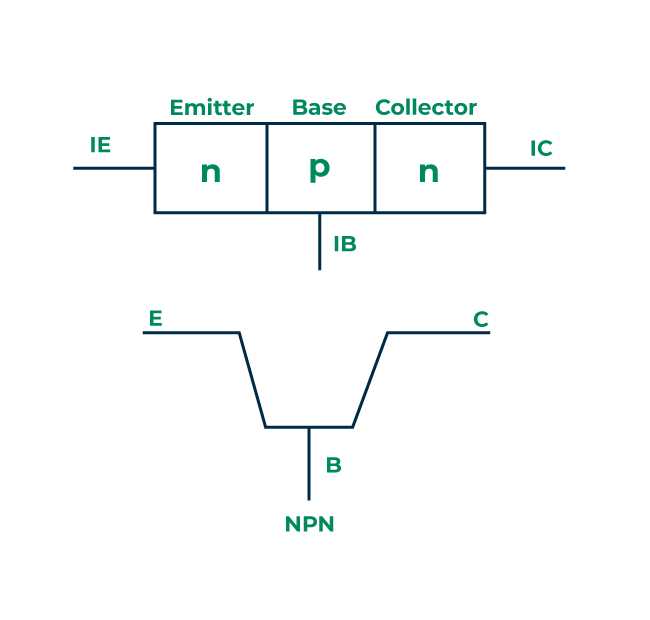
Position the collector toward the load terminal and secure the emitter to the common ground rail to ensure stable current control. Base resistors should match the load requirements to maintain proper switching behavior under all operating conditions.
Verify signal paths with a multimeter before finalizing connections. Ensure voltage at the control terminal is sufficient to fully saturate the switch without exceeding maximum ratings, typically 0.7 V for silicon devices.
For high-frequency applications, place bypass capacitors close to the switch to minimize voltage spikes and oscillations. A 100 nF capacitor near the control terminal can reduce switching noise effectively.
Arrange multiple switches in parallel with individual base resistors for load sharing. This layout prevents overcurrent stress on a single device and improves reliability in power amplification setups.
Optimize the board layout by keeping signal traces short and thick enough to handle expected currents. Avoid crossing high-voltage paths over sensitive control lines to reduce interference and improve performance.
Document all resistor and capacitor values alongside measured voltage levels at each terminal. Maintaining a precise reference ensures reproducibility and facilitates troubleshooting in practical applications.
Identifying Base Collector and Emitter Terminals
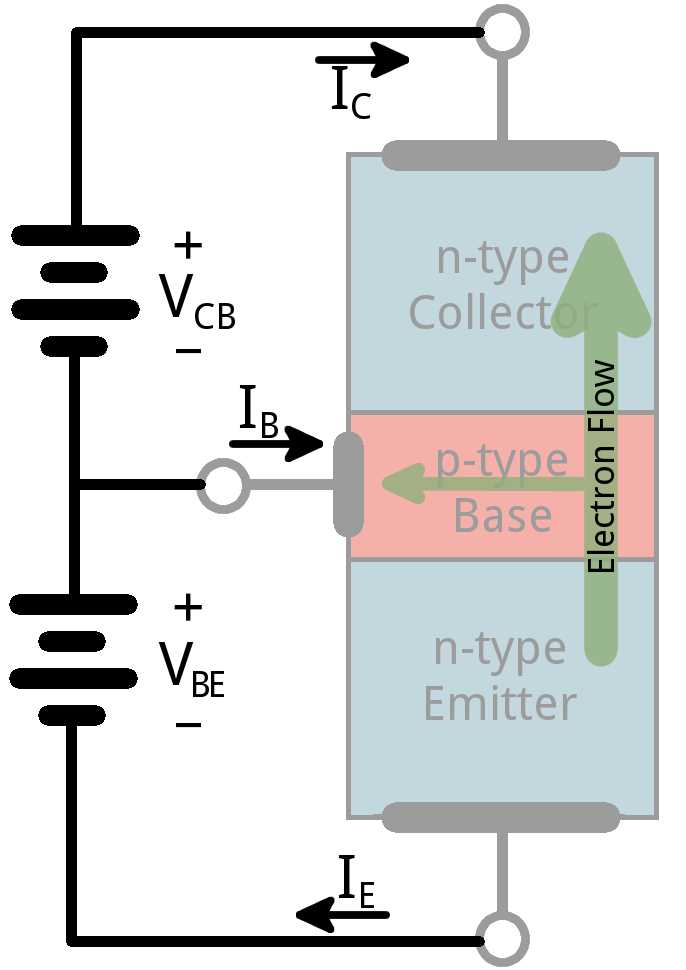
Start by applying a low DC voltage between two terminals and measure current flow. The control terminal will allow current to pass when forward-biased, distinguishing it from the output and ground terminals.
Use a digital multimeter in diode mode to check connectivity. Steps:
- Connect the positive probe to one terminal and the negative to the others.
- Record the voltage drop readings.
- The terminal showing a 0.6–0.7 V drop indicates the control input for silicon devices.
For identifying the output terminal, measure current between the remaining two terminals while activating the control input. The terminal with higher conduction under forward bias is the collector equivalent, while the lower conduction terminal is the emitter equivalent.
Mark all identified terminals clearly on the component housing or schematic. Maintaining accurate labeling prevents reverse connections, which can damage the device and distort performance in amplification or switching setups.