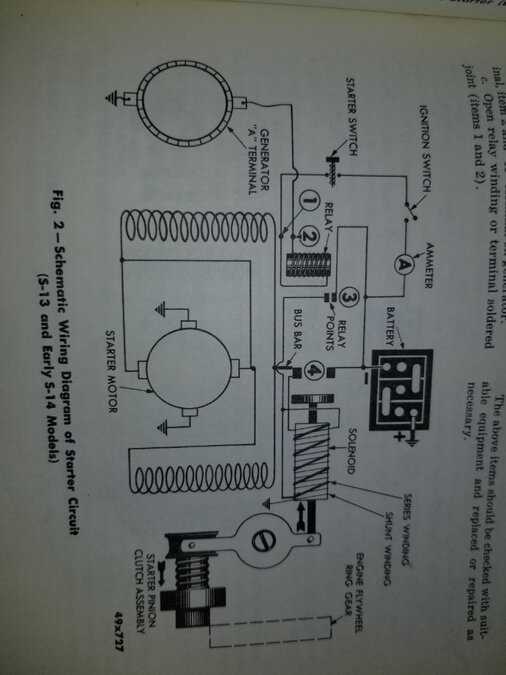
Ensure correct identification of all terminals before connecting the battery and ignition feed. Misidentifying points can cause voltage spikes that damage solenoids or motor coils. Label each post and verify continuity with a multimeter to confirm proper paths.
Maintain solid grounding and secure fasteners to prevent intermittent contact. Loose connections often lead to slow cranking or complete failure during engine start. Use lock washers or thread-lock compounds where vibration is present.
Route heavy conductors away from heat sources and moving components. Excessive heat or abrasion can degrade insulation, creating short circuits that disable the system. Keep cables at least a few inches from exhaust manifolds and rotating belts.
Follow polarity indications precisely for solenoid coils and field terminals. Reversing leads may result in immediate motor stall or long-term damage. Use colored sleeves or tags to avoid confusion during maintenance or troubleshooting.
Starter Motor Connection and Terminal Layout Guide
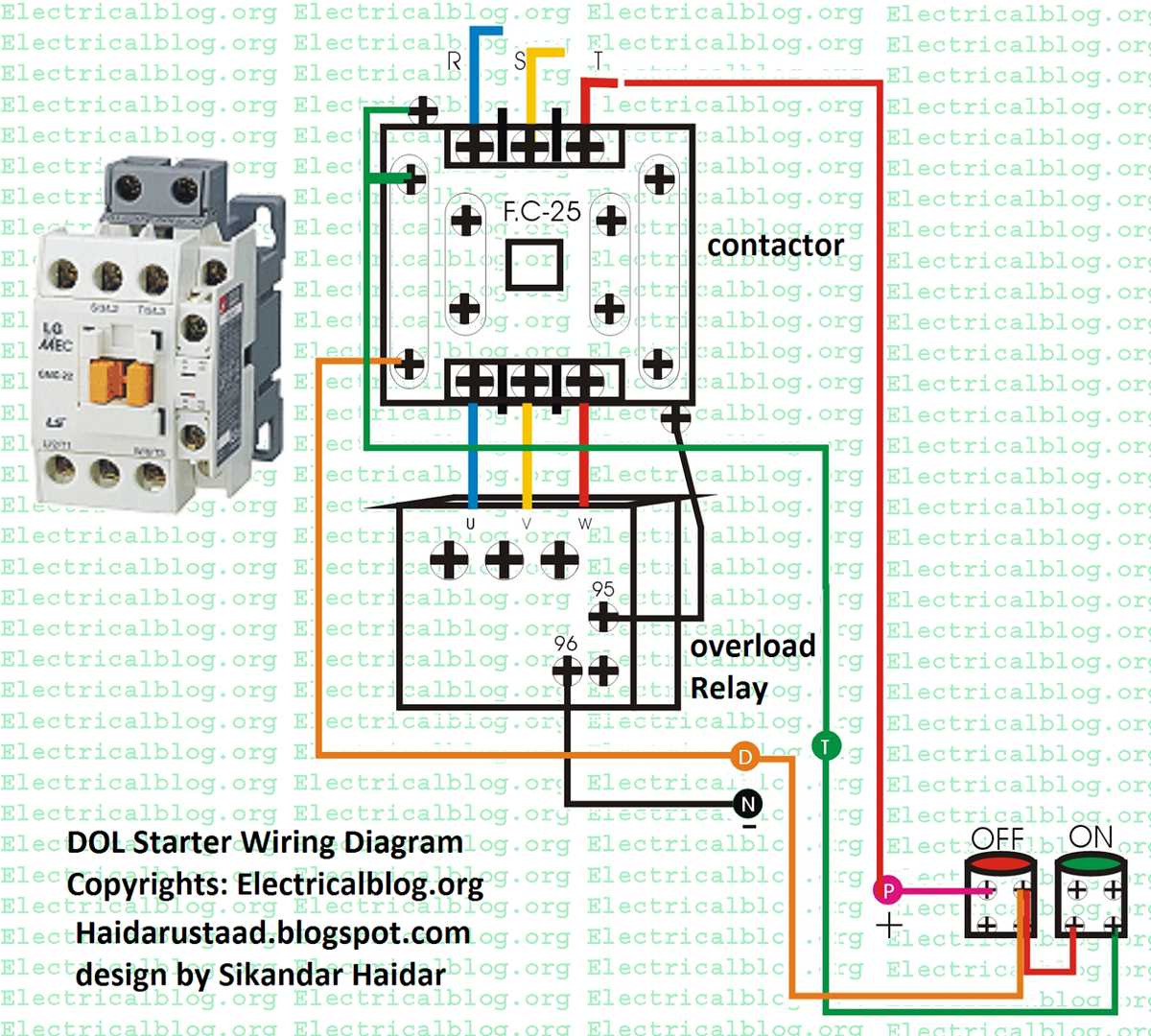
Identify each post accurately before applying power to avoid coil burnout or solenoid failure. Typically, the main terminal connects directly to the battery positive, while the control post receives ignition signal. Confirm voltage with a multimeter and ensure that all fasteners are tightened to manufacturer torque specifications.
Arrange leads to minimize interference and heat exposure. Route heavy gauge conductors away from exhaust and moving components, and use insulated clamps to maintain separation. For compact installations, follow the terminal sequence: main feed, ground, and control signal. This layout prevents accidental shorting and ensures consistent engagement under all conditions.
Identifying Key Terminals and Their Functions
Locate the main positive terminal first to ensure proper voltage delivery from the battery to the motor. This terminal handles high current and must be connected with a heavy-gauge lead secured with a nut to prevent loosening during operation.
Confirm the control post assignment which carries the ignition signal. This connection engages the solenoid and allows the motor to rotate. Use a test light or multimeter to verify signal presence when the ignition is activated.
The ground terminal is often overlooked but critical for completing the circuit. Secure it to a clean metal surface on the engine block to prevent voltage drop or intermittent operation.
Identify auxiliary terminals that may provide feedback to the dashboard or control module. These connections are usually smaller in gauge and require proper insulation to avoid short circuits.
Check the sequence of connections before powering the system. Typical order: main feed, control input, ground, and auxiliary outputs. Following this sequence reduces risk of electrical faults and enhances reliable engagement of the motor.
Label each connection after verification to simplify maintenance or future troubleshooting. Consistent identification prevents accidental cross-connections and ensures safe and reliable operation during repeated starts.