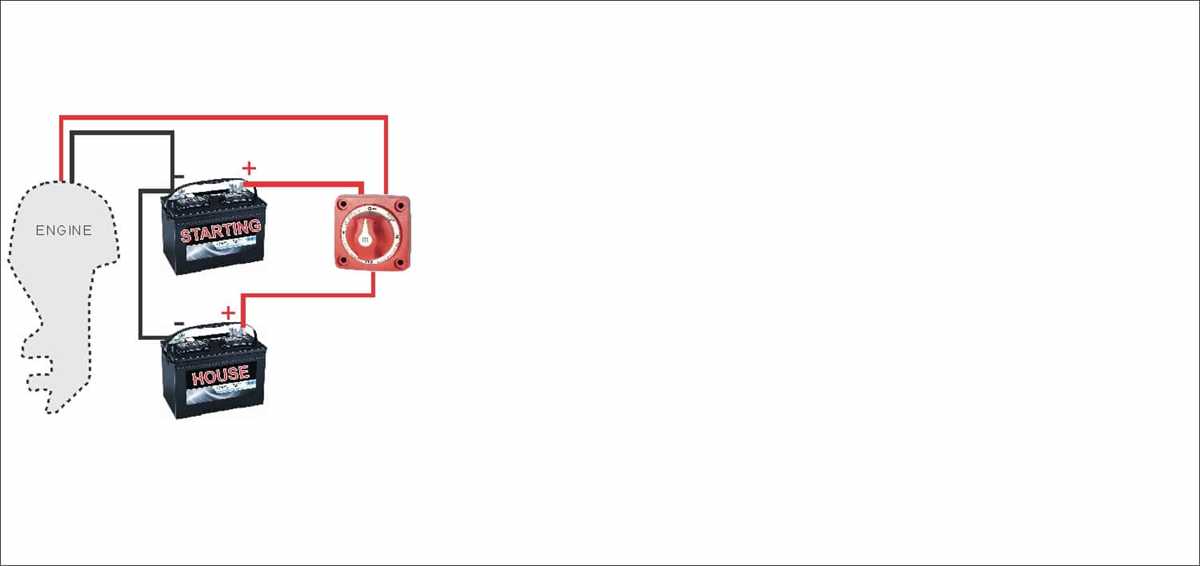
Always connect the main power source to a dedicated fuse panel to prevent overloads and ensure that all circuits are protected. Use marine-grade cables with correct gauge matching the total amperage of connected devices.
Position batteries close to the stern and secure them with corrosion-resistant brackets to minimize voltage drop and reduce movement during operation. Label all positive and negative terminals clearly to avoid confusion during maintenance.
Route lighting circuits along the perimeter using waterproof connectors to maintain visibility and comply with navigation standards. Keep wire runs away from the engine compartment heat and avoid sharp bends to prevent insulation damage.
Install accessory panels near seating or helm areas for easy access, ensuring switches are rated for the specific current of each device. Include inline fuses for devices such as stereos, fish finders, and trolling motors to isolate faults without affecting the entire system.
Test all circuits with a multimeter after connections to verify voltage consistency and identify any short circuits. Document the layout with a simple sketch noting cable sizes, breaker ratings, and terminal locations for future reference.
Electrical Layout for Boat Systems
Connect the battery bank to a marine fuse block using cables that match the amp load of all devices. Ensure terminals are tightened to prevent sparking and check that all ground wires are properly secured to the hull or dedicated bus bar.
Run circuits for navigation and deck lights along the starboard and port rails using corrosion-resistant clips to hold cables in place. Keep power lines separate from fuel and bilge hoses to avoid heat and chemical exposure.
Install switch panels near the helm for easy operation. Label each switch with the corresponding device, and include inline fuses rated slightly above the normal current draw to prevent tripping during brief load spikes.
Accessory Connections
For devices like fish finders, stereos, or trolling motors, use separate feeders from the main panel. Test each connection with a multimeter before sealing terminals, and secure all cables with cable ties to minimize vibration wear and accidental disconnection.
Connecting Batteries and Main Power Lines on a Boat
Position batteries in a dedicated compartment close to the stern to reduce voltage drop and simplify access for maintenance. Use non-conductive brackets and secure each unit to prevent movement during operation.
Connect the positive terminals to a fused distribution block using cables rated for the total amperage of all devices. Include a main cutoff switch between the battery bank and the panel to isolate power quickly in case of a fault.
Route negative leads to a common bus bar or the hull ground. Avoid looping cables around metal structures and keep connections tight to prevent corrosion and resistance build-up that could trigger voltage loss.
Use marine-grade connectors and heat-shrink tubing on all terminals to guard against moisture intrusion and vibration loosening. Periodically inspect terminals for green oxidation and retighten if necessary.
Label each battery and corresponding circuit with color-coded tags or numbered labels. This simplifies troubleshooting and allows you to quickly identify which battery supports specific devices such as lighting, trolling motors, or electronics.
Test the system with a voltmeter after all connections are made. Measure voltage at each load point under typical operation, and confirm that fuse ratings match the draw of connected devices to prevent overload or accidental trips.