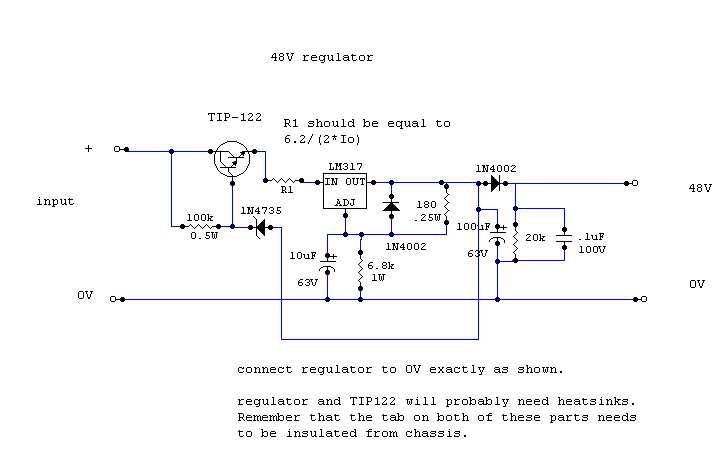
Connect the positive lead from the DC source to both signal lines using 6.8kΩ resistors to maintain balanced voltage across the microphone input. Ensure solder joints are solid and insulated to prevent shorts.
Use a stable 48V supply to power condenser microphones. Fluctuations can cause distortion or insufficient diaphragm excitation, reducing audio clarity and sensitivity.
Attach the negative lead to the common ground of the mixer or interface. This completes the loop without introducing hum or interference into the signal chain.
Verify each resistor value before installation. Incorrect resistance can overload the microphone, trigger clipping, or cause uneven voltage distribution between lines.
Test the setup with a multimeter to ensure voltage is evenly applied across both signal lines while the microphone is connected. Confirm stable readings under normal operating conditions.
Phantom Power Connection Guide
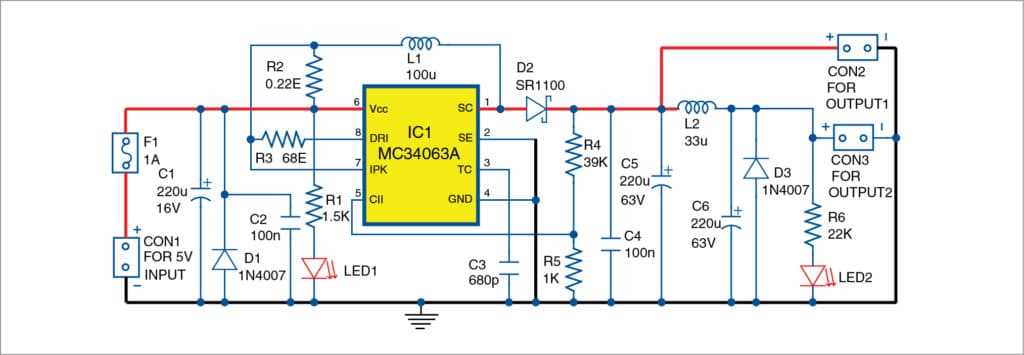
Connect the positive terminal from the DC supply to each signal line using 6.8kΩ resistors. Ensure resistors are rated for at least 0.5 watts and soldered securely to prevent loose connections.
Attach the negative lead directly to the mixer or interface ground. A clean ground prevents hum and interference while maintaining consistent voltage across all connected microphones.
Verify resistor placement on both lines to ensure balanced voltage. Uneven resistance can overload one line and reduce microphone sensitivity, causing distortion or signal loss.
Use shielded cables to connect microphones to the input terminals. Proper shielding minimizes induced noise and maintains audio clarity, especially in environments with high electromagnetic interference.
Test the voltage with a multimeter before connecting sensitive condenser microphones. Confirm that each line receives the correct DC level, typically 48 volts, under load conditions.
Power one microphone at a time when first testing. Observe for stable operation and consistent output levels to identify any faulty components or loose connections in the supply path.
Secure all leads and components using cable ties or clamps. Periodically inspect connections, resistor integrity, and solder joints to ensure safe and reliable operation over time.
Connecting the Power Supply to Microphone Inputs
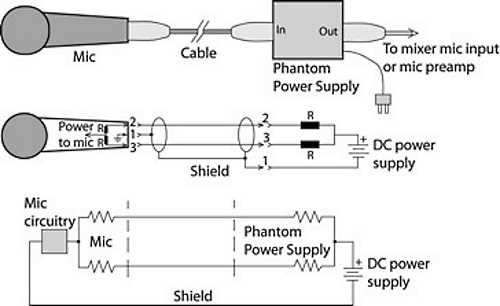
Connect the positive lead from the DC source to both signal pins using 6.8kΩ resistors rated for at least 0.5 watts. Ensure solid solder joints and proper insulation to prevent shorts and voltage drop.
Attach the negative lead directly to the audio interface ground. This maintains a clean reference and prevents hum or interference in the signal path.
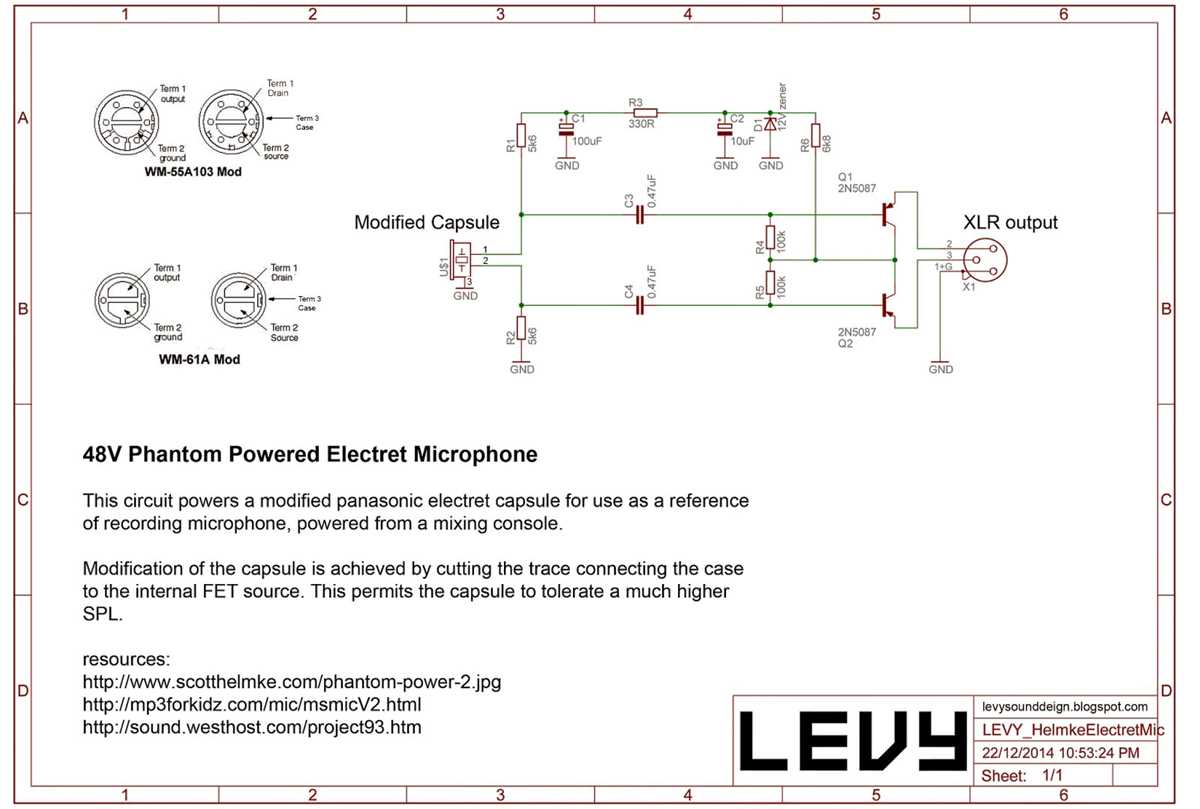
Check resistor values carefully before installation. Incorrect resistance can cause one line to carry more voltage than the other, reducing microphone performance and potentially triggering distortion.
Use shielded XLR or TRS cables to connect the microphones to inputs. Proper shielding reduces electromagnetic interference and preserves signal clarity in professional or studio setups.
Test the setup with a multimeter to confirm that each signal pin receives the correct DC level under load. Stable readings indicate that the supply is functioning correctly before connecting sensitive equipment.
Power one microphone at a time during initial setup. Observe signal output and voltage stability to identify any faulty resistors, loose connections, or voltage inconsistencies before integrating multiple microphones.