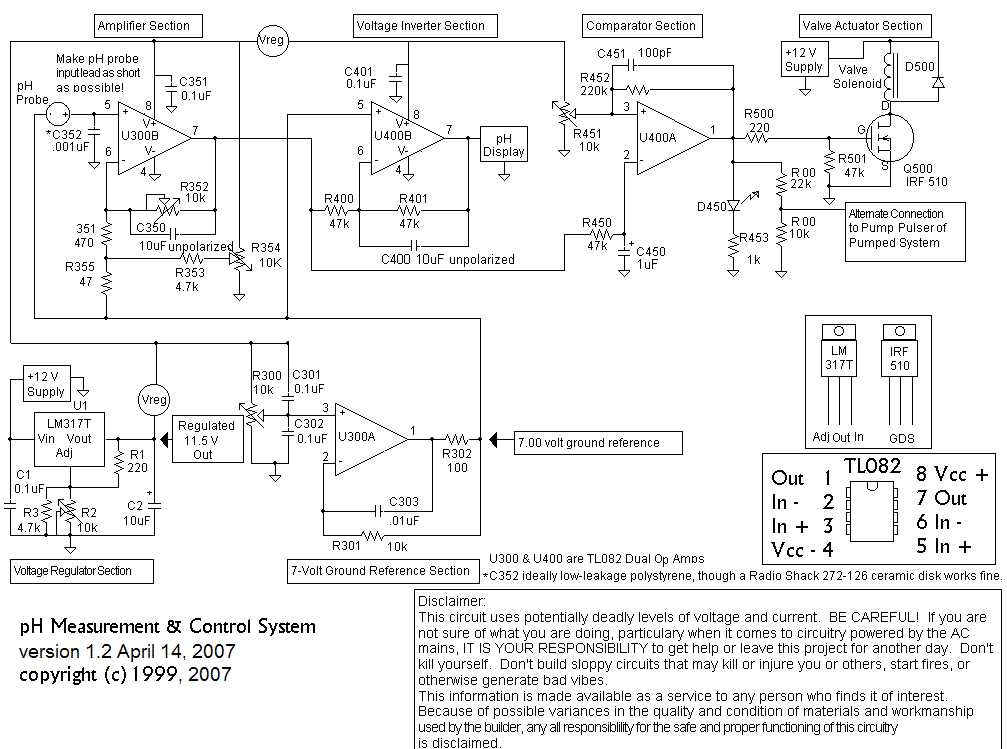
Use a high-impedance input amplifier to ensure that the potential from the glass probe is accurately captured without loading the sensor. Typical op-amp models for this application include TL071 or LF356.
Stabilize the reference electrode by immersing it in a standard buffer solution before connecting to the main sensing system. This prevents drift and improves response time for acidic or basic solutions.
Arrange signal conditioning components to filter noise and allow smooth output. Small capacitors (10–100 nF) across the input lines can suppress high-frequency interference from nearby electronics.
Calibrate the system with two standard buffer solutions, usually at pH 4 and pH 7, to adjust the slope and offset of the readout stage. This ensures consistent results across different samples.
Power the unit with a stable low-noise supply, ideally ±5 V or ±12 V depending on the operational amplifier requirements. Avoid unregulated sources that may introduce drift into the readings.
Arrange output terminals to allow direct connection to digital displays or data logging devices. Maintaining short, shielded leads reduces signal degradation and improves measurement reliability.
pH Meter Signal Layout and Construction Guide
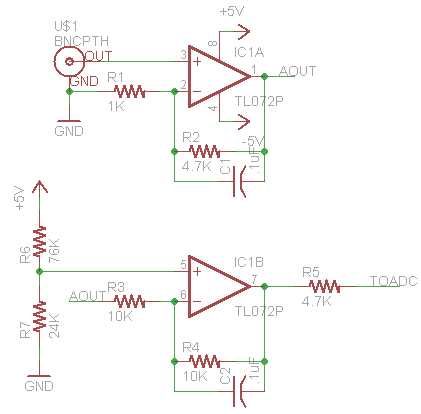
Position the high-impedance amplifier close to the glass sensor to prevent voltage loss. Use op-amps with input impedance above 1012 ohms to maintain signal integrity over long leads.
Separate power and signal paths to reduce interference. Route analog signals away from switching power sources and digital lines to avoid introducing noise into the measurement.
Include filtering components such as small ceramic capacitors between input and ground. Values between 10 nF and 100 nF suppress high-frequency fluctuations without slowing response time.
Calibrate using standard buffer solutions before connecting the display or logging system. Adjust offset and gain to match known pH values at two points, typically pH 4 and pH 7, for accurate slope adjustment.
Use shielded and short leads for connections between the sensor and amplifier stage. This reduces stray capacitance and maintains signal fidelity, especially in environments with nearby electrical equipment.
Secure all components on a stable board to prevent mechanical stress from altering connections. Use non-conductive standoffs for isolation and ensure that reference electrodes remain in stable contact with the solution for consistent readings.
Connecting Electrodes and Reference Probes
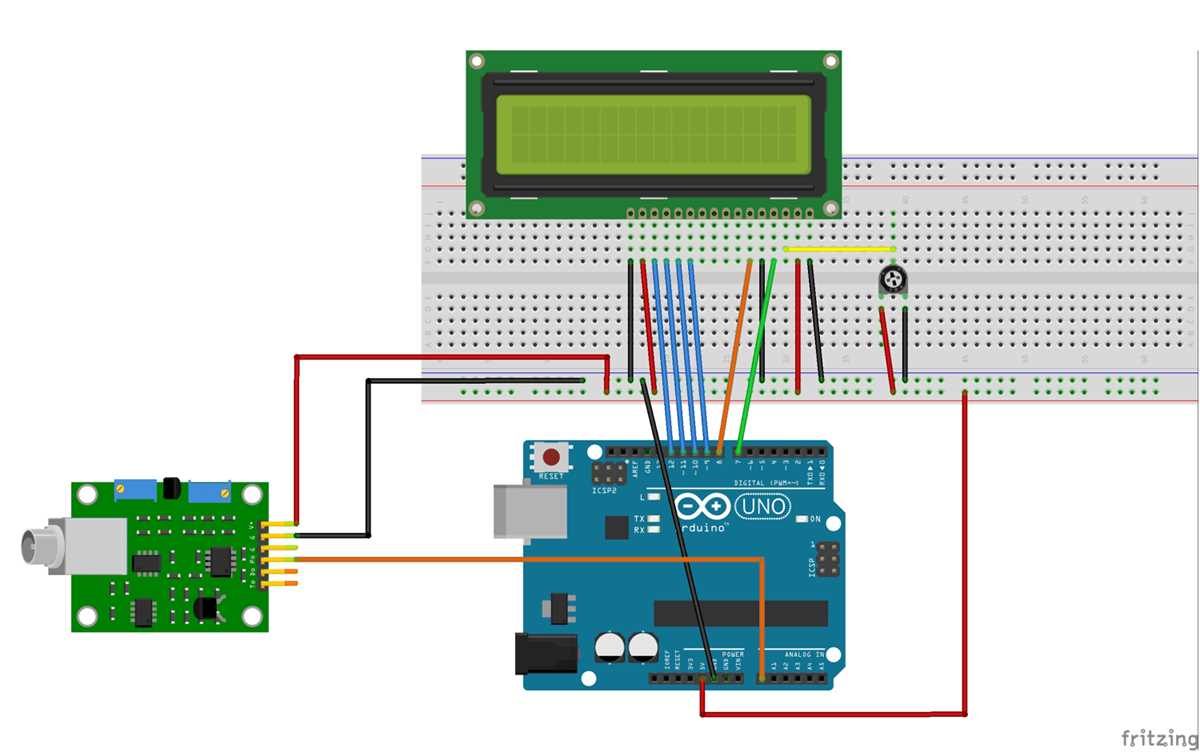
Ensure secure connections between the glass electrode and input terminals. Use low-resistance connectors and avoid twisting wires together, as poor contact can introduce voltage offsets that distort readings.
Position the reference probe in stable solution and keep it isolated from metal surfaces. Avoid bending or stressing the probe tip, and maintain a continuous ionic pathway to preserve accurate potential measurements.
Use separate shielding for signal and reference lines to prevent interference from nearby power sources or switching devices. Keep lead lengths as short as possible and verify continuity with a high-impedance tester before operation.