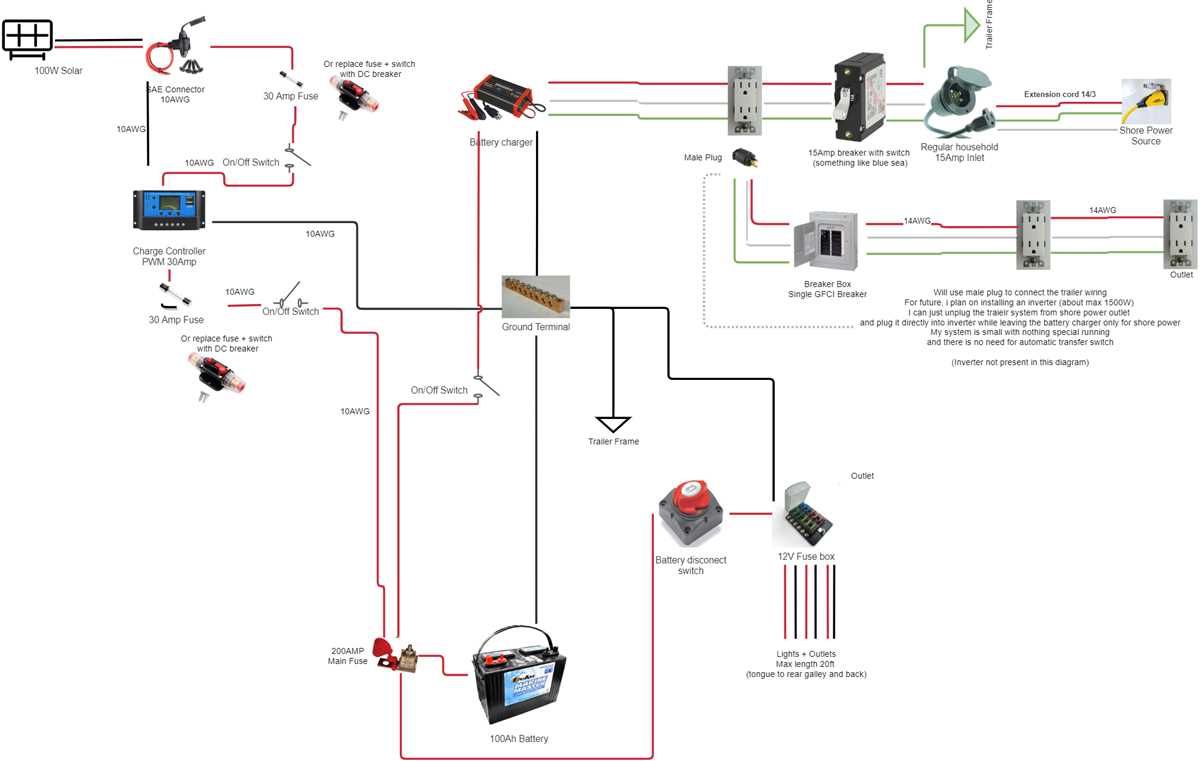
Inspect the service panel first and confirm the incoming supply rating before tracing any circuit. Many factory-built dwellings from the 1960s–1980s used a 60–100 amp breaker panel, often mounted in a hallway cabinet or utility closet. The feeder cable usually enters through the floor and connects directly to the main breaker, with branch circuits distributed along narrow wall cavities.
Locate junction boxes and receptacle chains along interior partitions. In many prefabricated structures, outlets were installed using back-stab connectors rather than screw terminals. This approach saved assembly time during factory construction but often loosens after decades of temperature changes and vibration during transport.
Check conductor material before working on any circuit. Structures built in the late 1960s and early 1970s frequently contain aluminum branch conductors instead of copper. These conductors expand more under electrical load and can cause overheating at receptacles, switches, or light fixtures if terminals are not rated for aluminum connection.
Trace each circuit path from the breaker panel to the first junction or outlet. Lighting branches typically run through ceiling cavities using 14-gauge cable on 15-amp breakers, while kitchen and laundry outlets may use 12-gauge conductors on 20-amp protection. Mapping these paths on paper while inspecting panels, outlets, and switches helps identify overloaded branches and aging connections.
Electrical Wiring Layout and Circuit Routes in Older Mobile Home Systems
Check the service panel rating and branch breaker arrangement before tracing any conductor path. Factory-built dwellings from the late twentieth century usually contain a 60–100 amp distribution panel mounted in a hallway cabinet or utility space. From this point, branch conductors travel through narrow wall cavities and ceiling channels toward lighting fixtures, receptacles, and kitchen appliances.
Main distribution panel and branch circuit paths
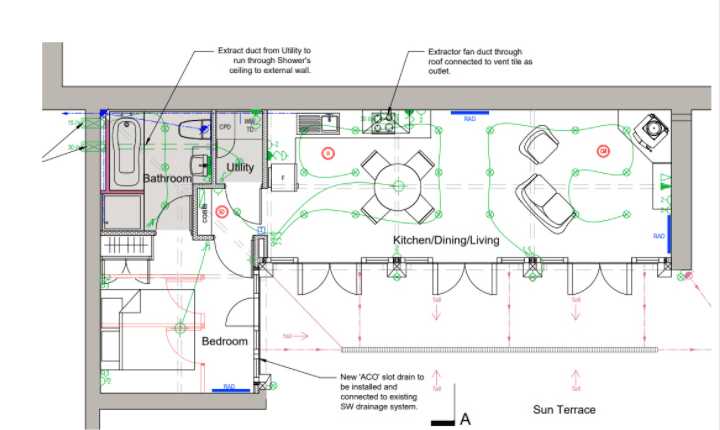
Inside the panel, each breaker feeds a dedicated branch line. Lighting circuits typically use 14-gauge copper conductors protected by 15-amp breakers. Kitchen and laundry outlets often run on 12-gauge lines with 20-amp protection. Conductors usually exit the panel through the top plate of the wall and pass horizontally across ceiling trusses before dropping down to switches or outlets.
Many prefabricated dwellings built between 1965 and 1975 used aluminum conductors along several branch lines. These cables connect to receptacles through push-in terminals or small junction blocks hidden behind wall panels. Expansion of aluminum under load can loosen connections, producing heat at outlet contacts and switch terminals.
Typical routing through walls and ceiling cavities
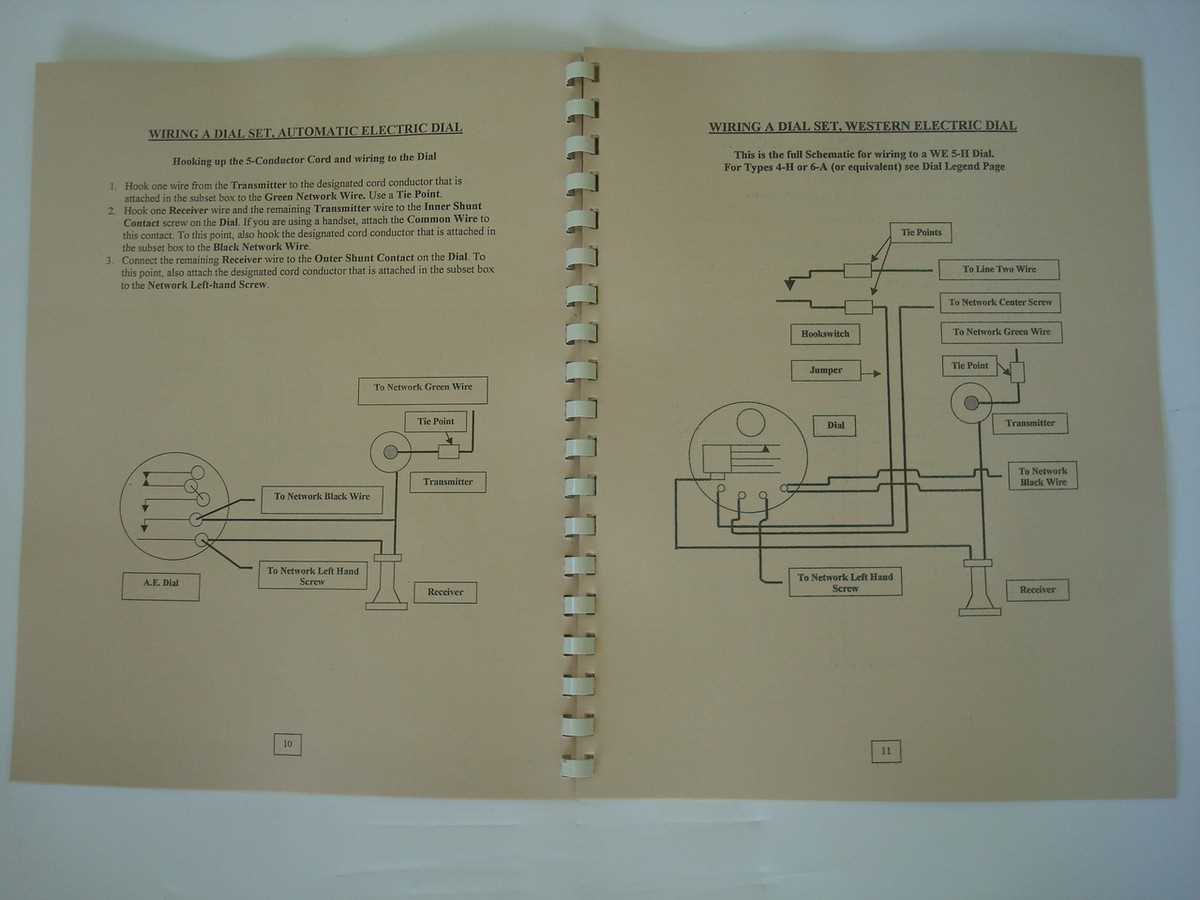
Lighting branches often run along the ceiling frame where stapled cable follows the wooden truss members. A single branch may feed multiple fixtures across a corridor or living space. Switch boxes interrupt the hot conductor while the neutral line continues directly to the light fixture box.
Receptacle lines usually travel along the lower wall frame about 25–35 cm above the floor level. Each outlet box passes the circuit forward through a second cable leaving the box toward the next receptacle. This chain arrangement means a loose terminal at one box can interrupt power to several downstream outlets.
Breaker Panel Connections and Branch Circuit Routing in Vintage Mobile Homes
Inspect the distribution panel first and verify the incoming feeder rating before tracing any branch conductors. Many factory-built dwellings produced between the 1960s and early 1980s use a 60–100 amp breaker panel installed in a hallway cabinet or utility closet. From this panel, individual breakers feed lighting, receptacle chains, kitchen equipment, and heating units through narrow wall and ceiling cavities.
Inside the panel, branch conductors attach to breakers while neutral lines connect to a shared bus bar. Typical circuit layout includes:
- 15 amp breakers feeding 14-gauge lighting lines
- 20 amp breakers supplying kitchen and laundry receptacles with 12-gauge conductors
- Dedicated line serving an electric water heater or HVAC equipment
- Main feeder entering through the floor and terminating at the primary breaker
Trace each branch line leaving the panel to determine its routing path. In many prefabricated structures the conductors run through ceiling trusses, then drop vertically into switch boxes and outlet housings. Common routing sequence:
- Breaker terminal inside the distribution panel
- Cable passing upward into the ceiling cavity
- Horizontal run across wooden truss members
- Vertical drop to the first outlet or switch box
- Continuation of the circuit toward additional receptacles