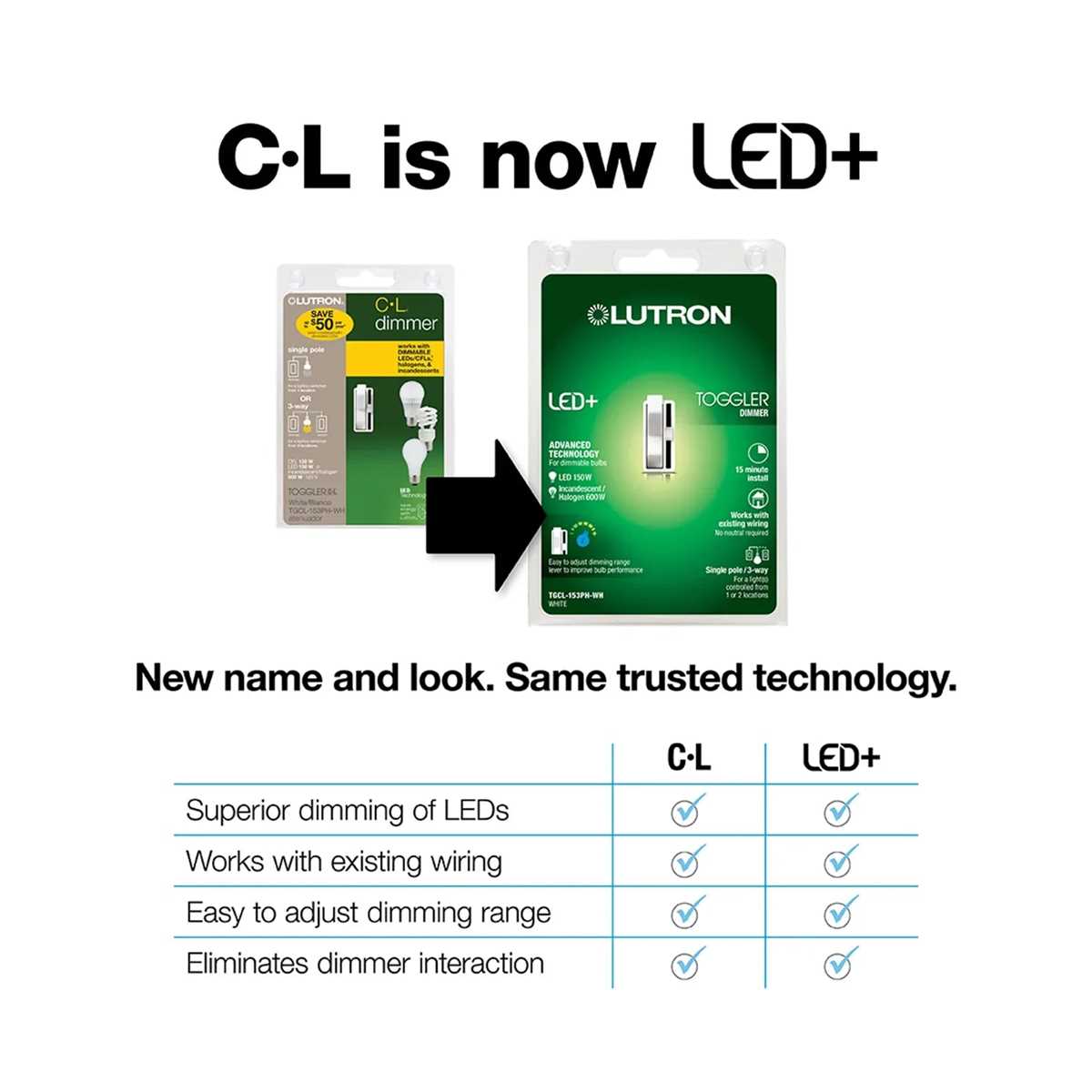
Turn off the branch circuit breaker and confirm zero voltage at the wall box before touching any conductor connected to the dimmer control. This lighting regulator handles up to 150 W of LED or CFL lamps and 600 W of incandescent loads, and incorrect conductor placement can cause flicker, heat buildup, or non-responsive switching.
Identify the line conductor carrying 120 V from the distribution panel and connect it to the black lead of the dimming unit. The load conductor leading toward the light fixture attaches to the remaining primary lead. Bare copper or green insulation attaches to the grounding screw on the device yoke. Proper grounding reduces electrical noise and stabilizes dimming levels across LED drivers.
Three-location lighting control requires one dimming unit and a standard mechanical switch at the opposite wall box. In this arrangement, traveler conductors usually appear as red and white wires within the cable. These travelers connect between the dimmer traveler lead and the mechanical switch terminals, allowing light intensity adjustment from one location while the secondary switch handles simple on and off control.
Inside the wall box, keep conductor length around 15–18 mm of exposed copper before securing under the terminal clamp or twist connector. Excess bare copper increases the chance of contact with the metal box or neighboring terminals. Arrange conductors in a folded pattern so the dimmer body slides into the box without pressure on the leads.
Dimmer Switch Wiring Layout and Terminal Connections Guide
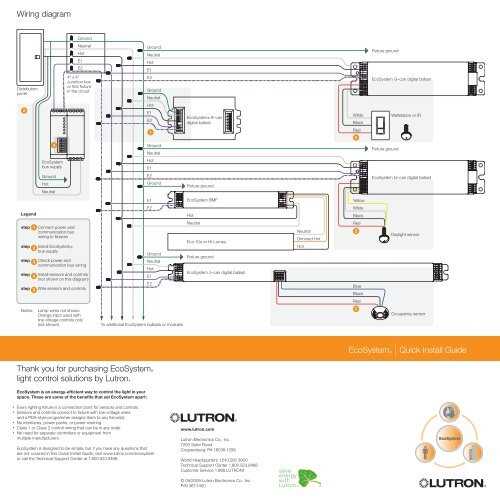
Connect the incoming 120-volt hot conductor to the black lead of the dimming control and attach the lamp load conductor to the remaining primary lead. This unit regulates lighting circuits rated up to 150 W LED or CFL and 600 W incandescent. Use a wire connector rated for 14 or 12 AWG copper conductors and ensure at least 12–15 mm of stripped copper sits fully inside the connector.
Attach the grounding conductor to the green screw located on the metal yoke. Bare copper or green insulation should make direct contact with the grounding terminal. A grounded metal wall box may also bond through the mounting screws, yet a direct ground conductor remains recommended. Without a stable ground reference, LED lamps connected to the dimmer may show flicker or unstable brightness levels.
Single-location lighting control uses only the line and load leads. In this arrangement, the incoming power feed from the breaker panel enters the device box through a cable containing black hot, white neutral, and bare ground. The dimming control connects only to the hot feed and the load lead going to the fixture; neutral conductors remain tied together in the box with a twist connector.
Two-location lighting control requires a mechanical switch in the second wall box and two traveler conductors linking both devices. These travelers often appear as red and white insulated conductors inside a three-wire cable. Connect them to the traveler lead on the dimming unit and to the brass terminals on the remote switch. When the traveler path closes, the circuit delivers line voltage to the load conductor, allowing brightness adjustment at one wall location and simple switching at the other.
Identifying Line Load Ground and Traveler Wires on Lutron TGCL 153P Dimmer
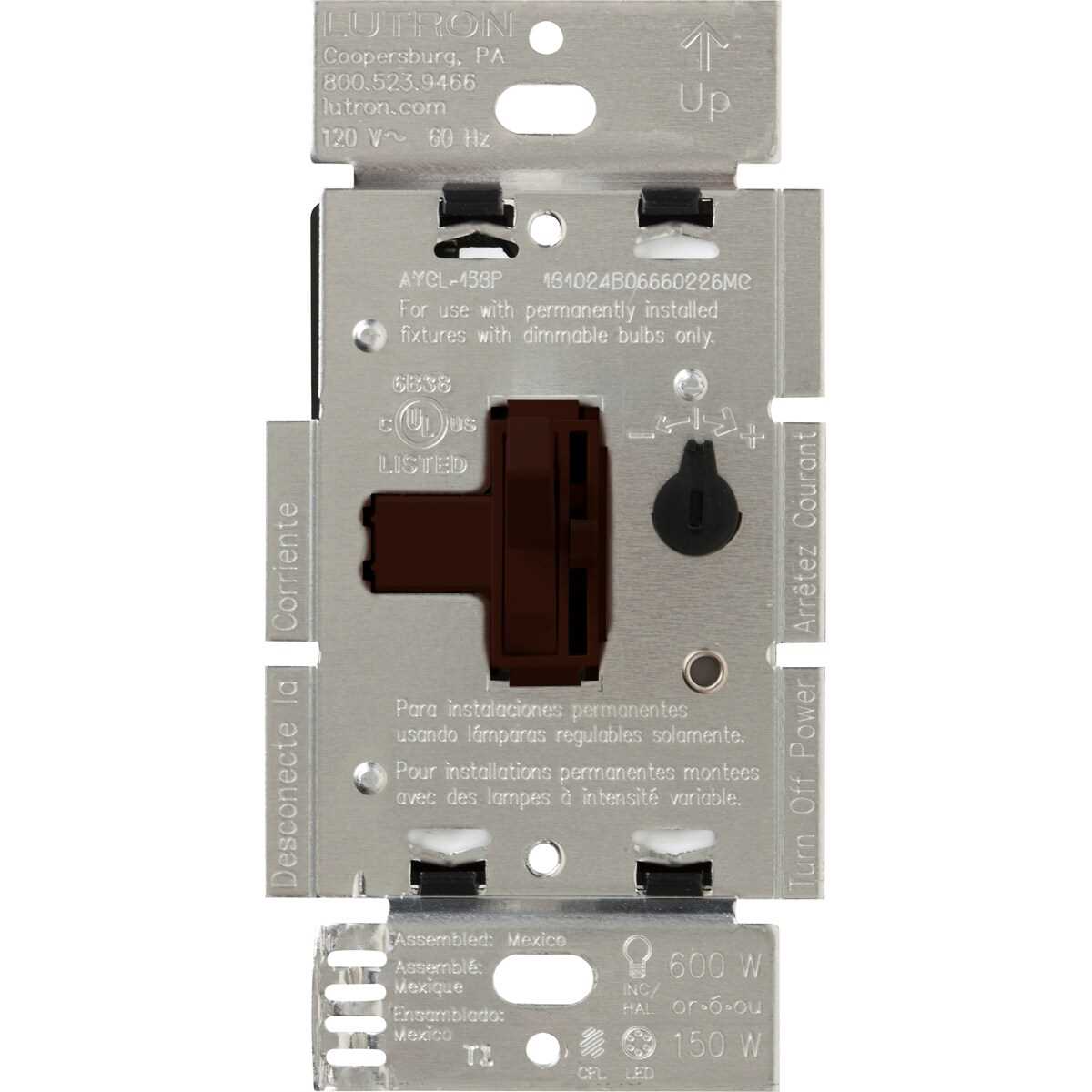
Locate the incoming line conductor before connecting the dimming control. Use a non-contact tester or multimeter to detect the cable carrying constant 120 V from the breaker panel. This conductor usually appears as black insulation and remains energized while the wall switch sits in any position. Mark it with tape before disconnecting the old switch.
The load conductor runs from the device box toward the ceiling fixture or lamp group. Once the line wire is removed from the old switch, measure voltage between remaining conductors and ground. The wire that shows zero voltage with the breaker on and switch disconnected normally leads to the lighting fixture.
Ground identification is straightforward. Bare copper or green insulation attaches to the metal box or a grounding screw inside the wall cavity. Connect this conductor directly to the green terminal on the dimming device yoke. A proper ground path stabilizes dimming electronics and reduces electrical interference that can cause LED flicker.
Traveler conductors appear only in two-location lighting control circuits. These usually arrive through a three-conductor cable containing red, white, and black insulation plus ground. The red and white wires often serve as traveler paths between the dimming unit and the secondary mechanical switch installed in another wall box.
Check traveler continuity by toggling the remote switch and measuring resistance between the two traveler leads. The reading changes between open and near-zero ohms as the remote switch changes position, confirming the correct pair of conductors.
Label each conductor with masking tape before attaching the dimming device. Accurate identification of line, load, ground, and traveler leads prevents reversed connections that can cause lights to remain permanently on, fail to dim, or trip the breaker after installation.