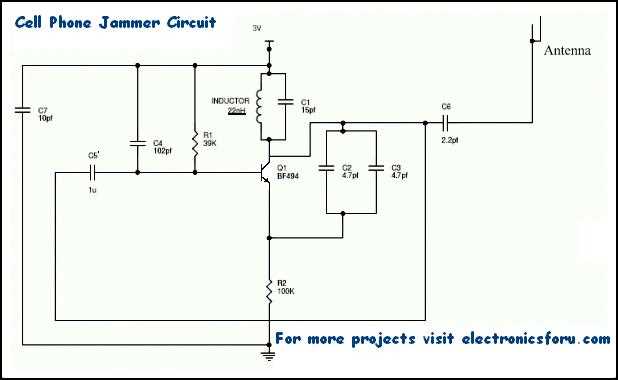
Verify the voltage and current ratings of each component before assembly. Overloading transistors, capacitors, or resistors can lead to permanent damage. Use a regulated supply and cross-check with manufacturer specifications to ensure stability.
Arrange elements on a prototyping board before permanent soldering. Position oscillators, coils, and switching devices according to layout references. Keep connections short to minimize stray radiation and maintain consistent performance across all bands.
Measure generated frequencies with a receiver or frequency counter. Ensure coverage matches intended ranges, and fine-tune oscillator capacitors for precise targeting. Avoid exceeding power levels that may affect unintended devices.
Include heat dissipation measures such as small heat sinks or airflow channels. Components handling higher currents or generating RF energy can overheat, so monitor temperatures during testing to maintain reliable operation and prevent failure.
Step by Step Guide to Building a Signal Blocking Electrical Setup
Begin by selecting components that match the required voltage and frequency range. Use low-noise transistors and capacitors rated for the expected current. Verify each part against its datasheet to prevent overheating or failure during operation.
Assemble the components on a prototyping board, keeping leads short and connections clean. Position oscillators, coils, and switching elements according to reference layouts. Short traces reduce unwanted interference and improve the accuracy of the generated signals.
Test output frequencies using a receiver or frequency counter. Adjust tuning elements to cover target ranges precisely. Monitor component temperatures during operation and add heat sinks or airflow channels where necessary to maintain stable performance over extended use.
Selecting Components and Power Requirements
Choose components that match the intended operating frequency and power load. Exceeding voltage or current ratings can damage transistors, resistors, and capacitors. Check manufacturer datasheets to confirm tolerances for continuous operation.
Consider the following when selecting parts:
- Transistor types with low noise and fast switching capabilities.
- Capacitors rated for the supply voltage and target frequency range.
- Resistors capable of handling peak current without overheating.
- Inductors and coils designed to maintain consistent inductance at operating frequencies.
Determine power requirements before assembly:
- Calculate total current draw based on component specifications.
- Select a regulated power supply that provides stable voltage with minimal ripple.
- Include protection devices such as fuses or current-limiting resistors to prevent overload.