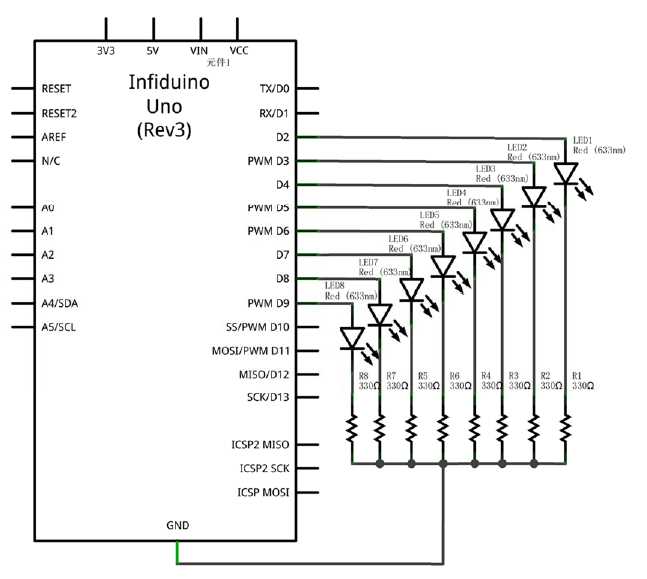
Start by familiarizing yourself with the common symbols used in electrical schematics. Each component, whether it’s a resistor, capacitor, or power source, has a unique symbol that represents its function. Knowing these symbols is the first step to reading any electrical blueprint accurately.
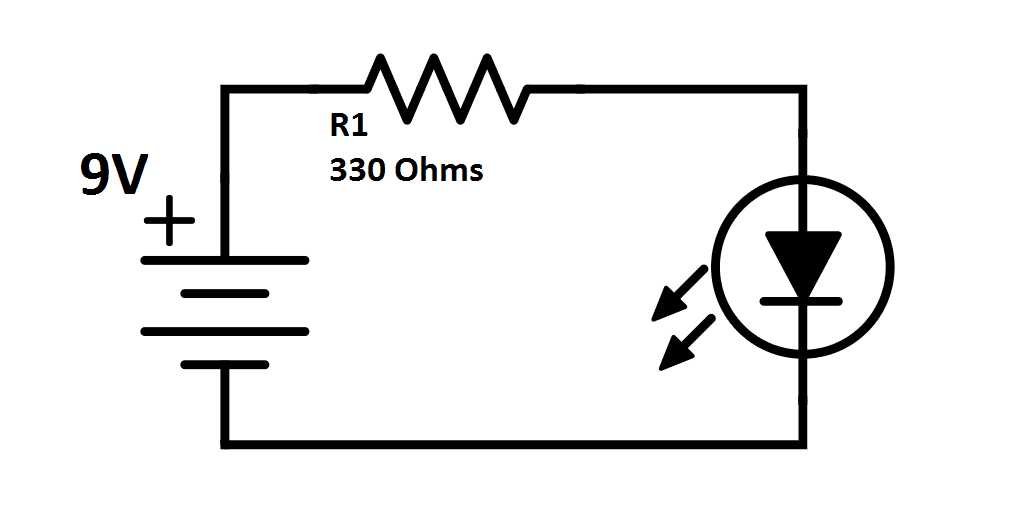
Focus on identifying the flow of energy. Start from the power source and trace the path through various components. Understanding how current moves through the circuit helps you determine how the system works and how each part interacts with others.
When troubleshooting, always look for the most straightforward path. Check connections for any signs of damage or misplacement. If the system is not working as expected, use the schematic to isolate the issue by following the flow from one component to another.
In addition, pay attention to the labeling of components, as they often provide key details such as resistance, voltage, and current ratings. This information is critical when testing or replacing parts.
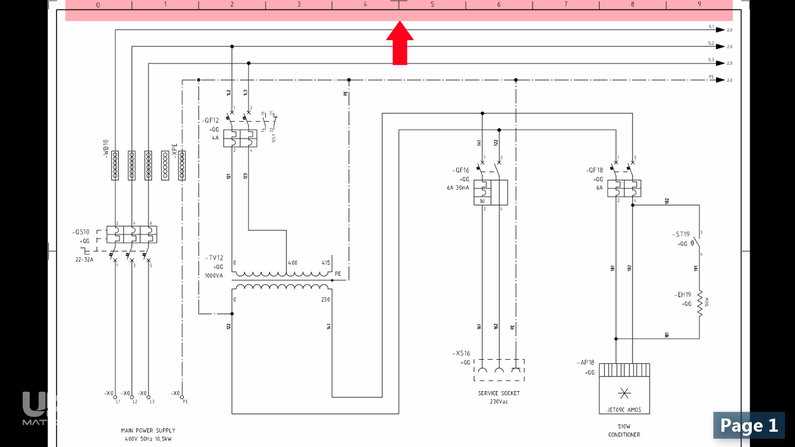
Understanding Electrical Schematics
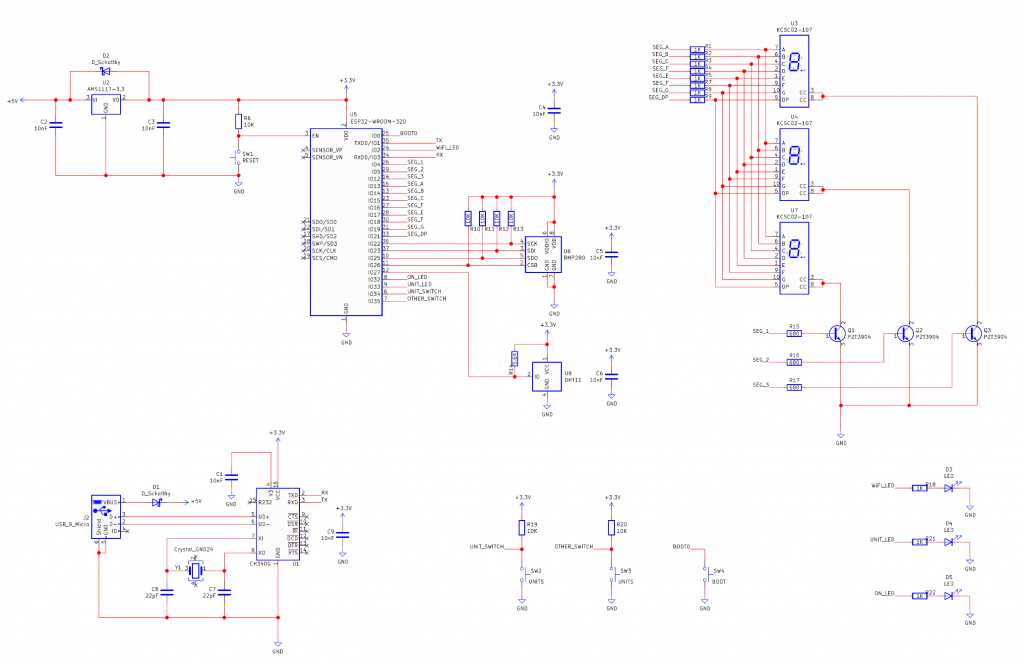
Start by identifying the main power source, usually a battery or power supply. This is often represented by two parallel lines, one longer than the other, indicating the positive and negative terminals. From there, follow the path of energy to each component, keeping track of their symbols.
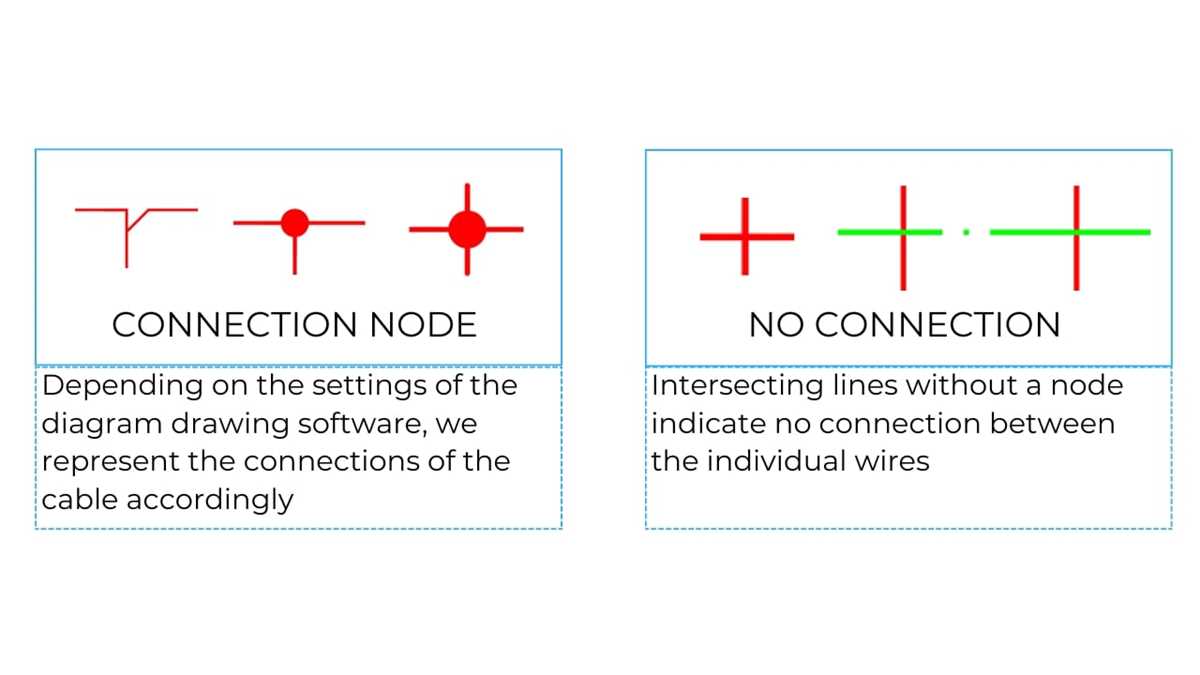
Next, pay attention to how components are connected. Lines represent electrical connections, and junctions where lines meet show that a connection is made. If a line crosses another without connecting, it indicates no direct contact between the two paths.
Look for any resistors, capacitors, or inductors, which will have distinct symbols. Understanding the role of each component will help in recognizing how current flows and how the system operates. For instance, resistors limit current, while capacitors store electrical energy temporarily.
When troubleshooting, always begin with the simplest checks: ensure all connections are secure and components are properly placed. If a component is not functioning, use the schematic to test voltages at various points and isolate the problem area for further diagnosis.
Understanding Common Symbols and Notations in Electrical Schematics
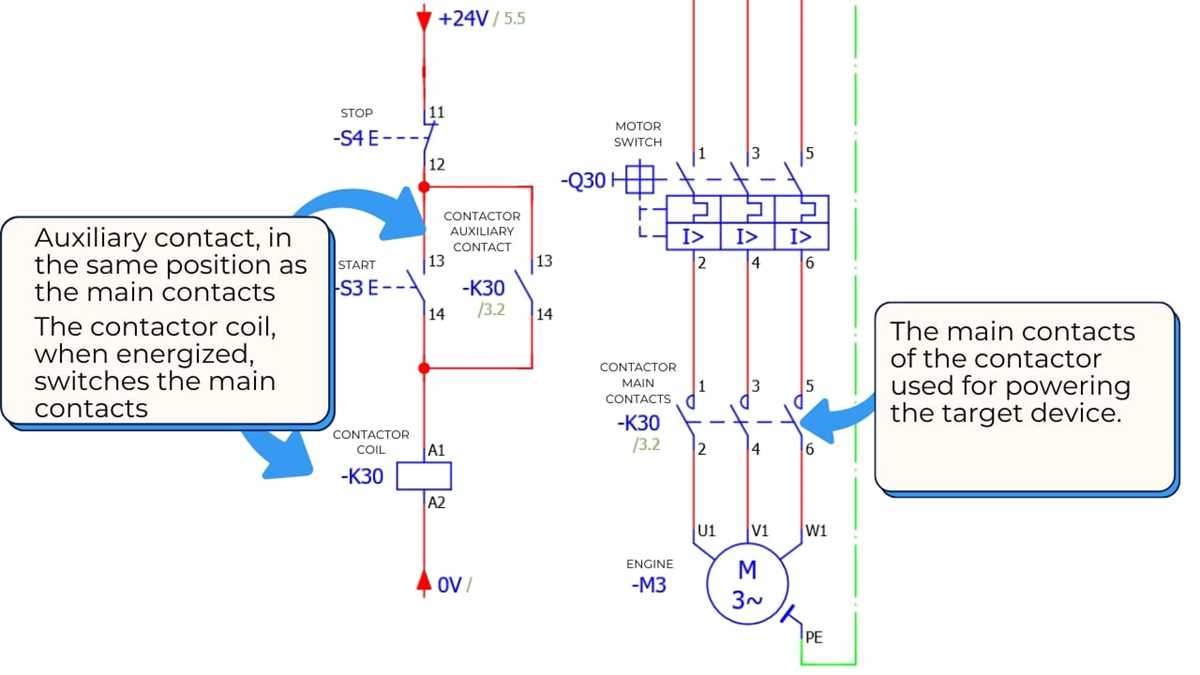
Begin by learning the basic symbols used to represent components in the layout. These symbols are standardized and indicate specific parts of an electrical setup. For instance, a simple line represents a wire, while a circle with a cross inside often stands for a light bulb. Recognizing these symbols helps you quickly identify the role of each part within the system.
Here are some of the most common symbols you will encounter:
- Resistor: A zigzag line is typically used to depict a resistor, which limits current in the system.
- Capacitor: Two parallel lines with a gap between them represent a capacitor, which stores electrical energy.
- Ground: A downward triangle with three horizontal lines underneath indicates a ground connection, often linking the system to the earth or a neutral point.
- Battery: A set of long and short parallel lines signifies a battery, with the longer line representing the positive terminal.
Additionally, it’s important to recognize notations for electrical measurements. A plus sign (+) indicates a positive terminal, while a minus sign (-) represents a negative terminal. These symbols help identify how current flows through the setup and which components are energized or grounded.
Finally, look for junctions where lines cross. In most cases, a dot at the intersection shows that a connection is made, while no dot indicates that the lines do not touch. This is a critical distinction to make, as incorrect connections can lead to faults or system failures.