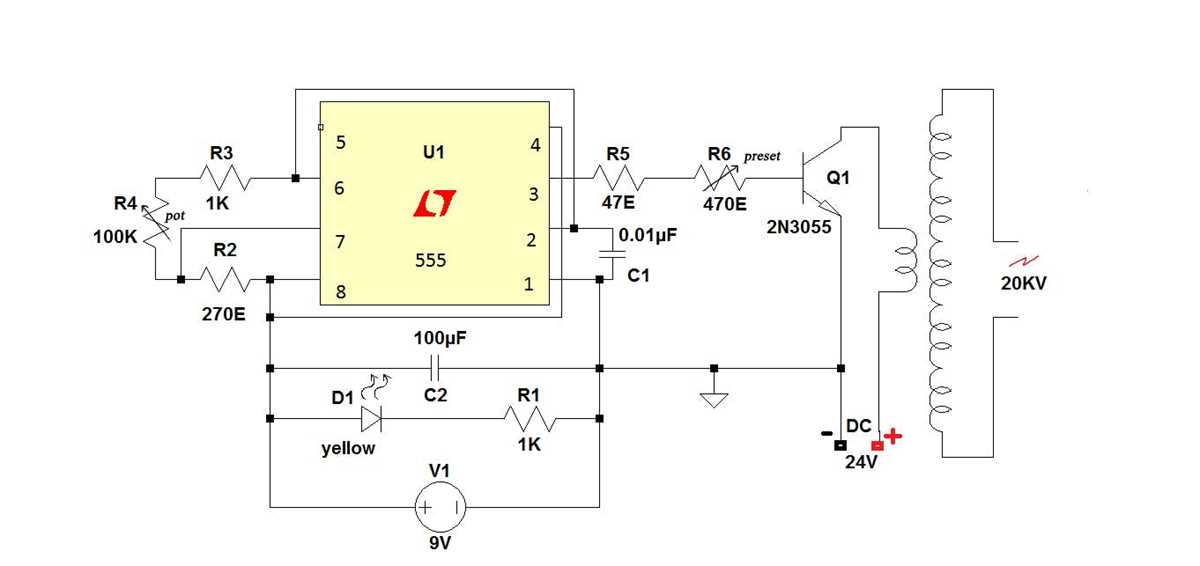
Ensure all transformers and rectifiers are rated above the intended output threshold to prevent insulation breakdown. Use ceramic or film capacitors capable of handling repeated stress at several kilovolts.
Maintain clear spacing between conductive paths to reduce arcing risk. Minimum creepage distances should follow insulation class standards for AC mains input and stepped-up outputs.
Choose resistors and fuses with higher surge tolerances to protect semiconductors from inrush currents. Position current-limiting components close to the input terminals for optimal protection.
Route connections to avoid parallel runs of input and output lines. Crossovers should be at right angles to minimize electromagnetic interference and reduce unwanted coupling.
Label terminals and connections clearly and follow a consistent color code for live, neutral, and elevated potential lines. This prevents accidental shorts during testing and maintenance.
Check all solder joints and mechanical fastenings for conductivity and thermal stability. Vibration or thermal cycling can loosen components, especially in compact designs handling elevated potentials.
High Voltage Energy Converter Construction and Connection Guide
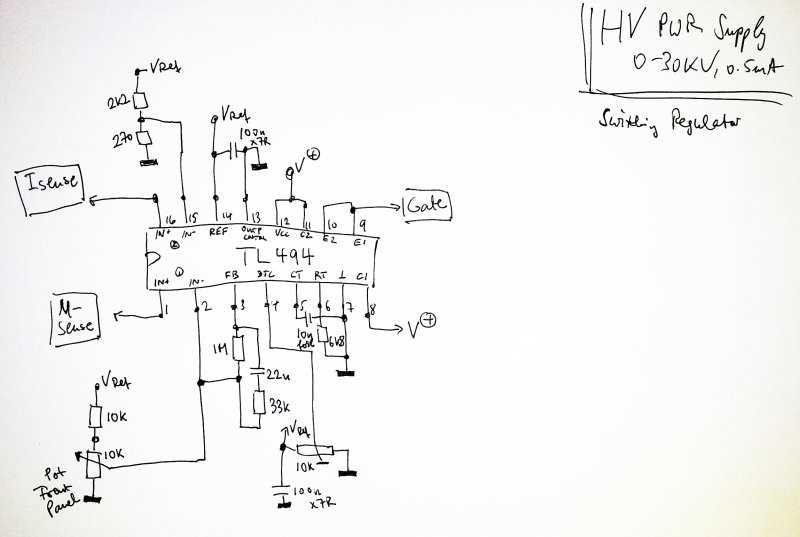
Use insulating materials rated above expected potential peaks to prevent arcing. Position transformers, rectifiers, and capacitors with at least 10 mm spacing between conductive parts when operating above 5 kV. Ensure metal enclosures are grounded to avoid shock hazards.
Follow a sequential connection approach to reduce risk during assembly:
- Connect the input transformer to the main isolation switch first.
- Attach rectifiers and filtering elements in the recommended polarity order.
- Check all resistive dividers and bleeder networks to maintain stable load distribution.
- Label all terminals and use color-coded insulation sleeves to indicate potential levels.
- Test continuity and insulation resistance before energizing the assembly.
Minimize parallel runs of input and output leads to reduce interference. Use ceramic standoffs for mounting printed boards carrying elevated potentials. Secure connections with heat-resistant fasteners, and verify mechanical stability under vibration conditions.
Selecting Components and Potential Ratings
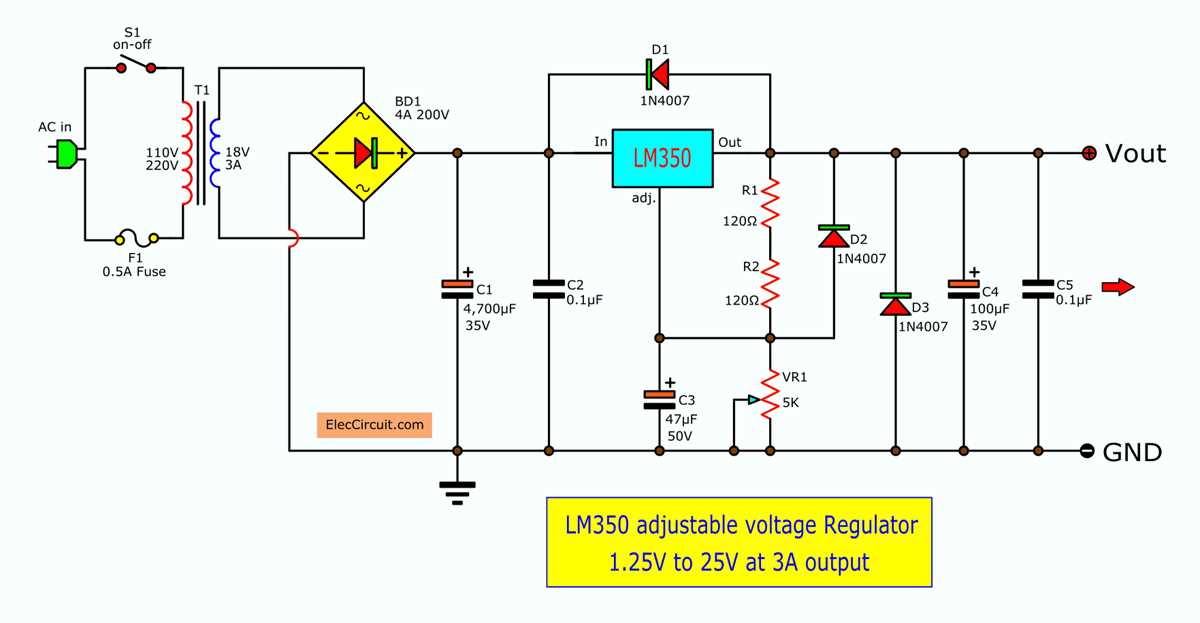
Choose capacitors with dielectric strength at least 30 % above expected peaks to accommodate transient spikes. Polyester or ceramic types offer stability under prolonged stress, while electrolytic capacitors are suitable for filtering lower frequency fluctuations.
Resistors must handle both nominal current and transient surges. Use wire-wound types with power ratings exceeding calculated dissipation by a safety margin of 50 %. Series combinations can help achieve higher potential tolerance without overstressing individual elements.
Transformers should have insulation layers between primary and secondary windings capable of sustaining potentials well above operating levels. Maintain physical separation of at least 15 mm for every 1 kV difference to reduce the risk of flashover.
Diodes and rectifiers must have reverse breakdown ratings exceeding peak pulses. Fast-recovery silicon types perform better in switching applications, while glass-passivated devices offer longevity under continuous stress.
Selecting Protective Components
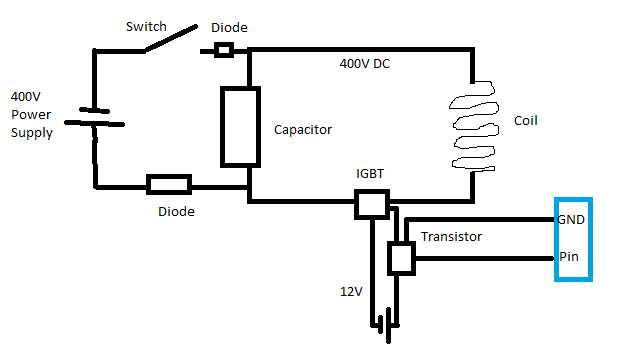
Fuses and surge arrestors should match the maximum anticipated potential and current. Use high-speed fuses to protect semiconductors, and metal-oxide varistors to clamp sudden spikes without introducing significant leakage currents.
Inductors and chokes must be rated for peak currents while minimizing parasitic capacitance. Air-core coils are preferable above 10 kV to prevent core saturation and partial discharge.
Practical Assembly Considerations
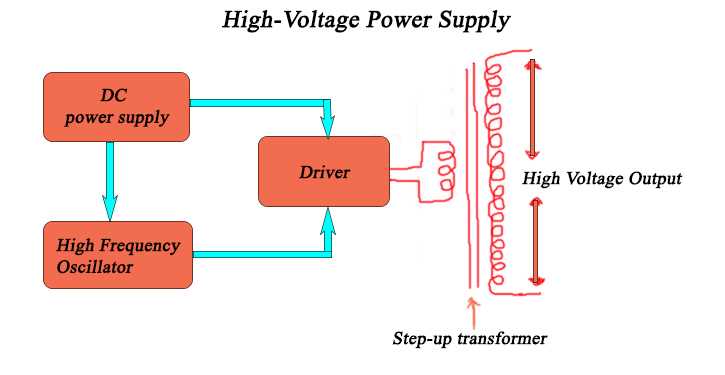
Label each component with its potential tolerance and expected load. Maintain consistent polarity markings on semiconductors to avoid reverse stress. Ensure that all connecting wires are insulated with materials rated for the local environmental temperature and potential stress.
Double-check spacing, creepage, and clearance distances when arranging components on boards or chassis. Overlapping insulation and shielding reduce interference and help maintain long-term reliability of the assembly.