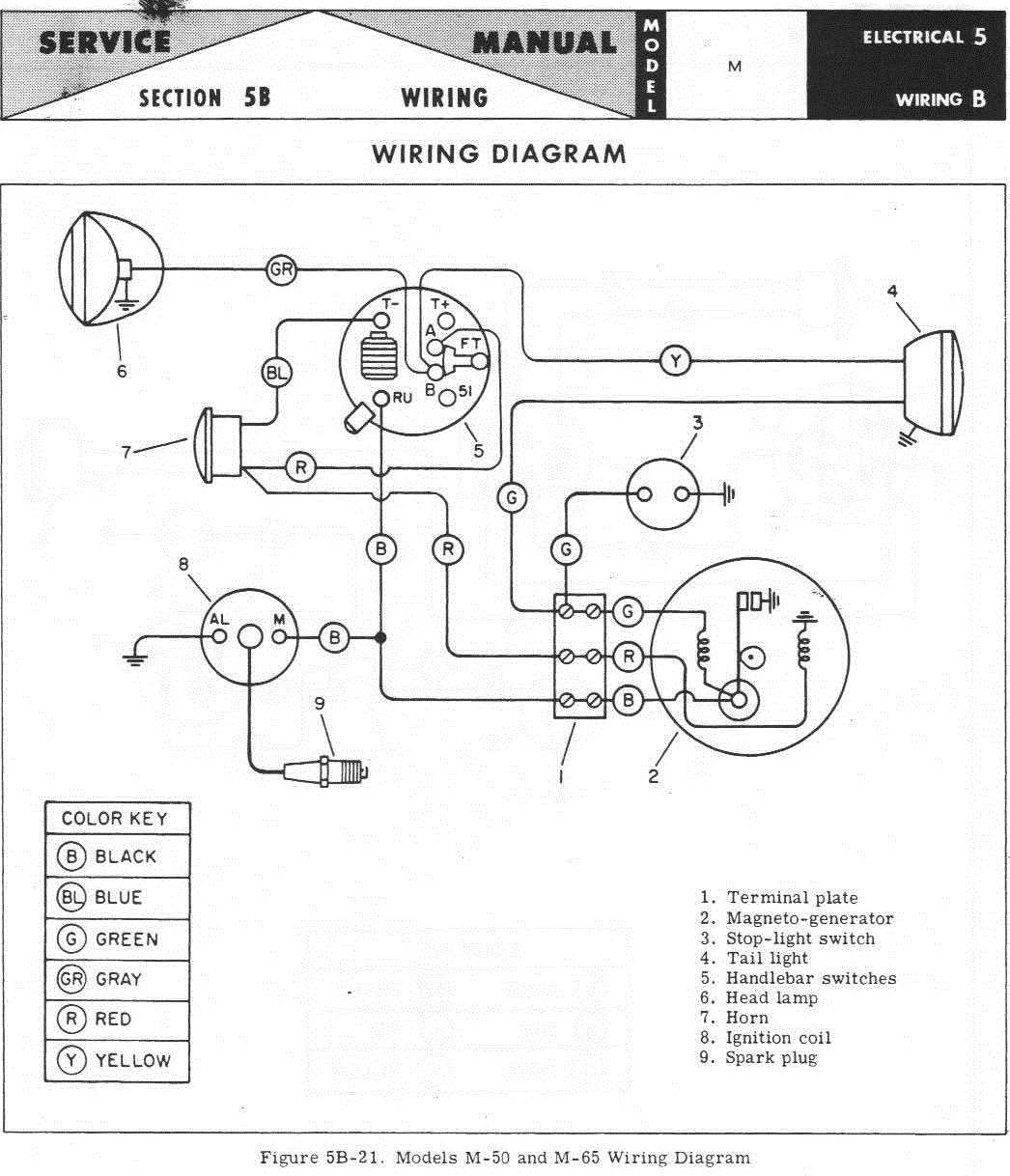
Confirm the battery feed terminal and ground path before connecting any control leads. Many electrical faults on V-twin cruisers appear after the power lead is attached to the wrong post on the key control unit. The battery supply line usually carries red insulation and runs directly from the main fuse or circuit breaker to the key-operated control module mounted on the fuel tank or console panel.
The power distribution layout on these motorcycles routes current from the battery to several systems through the key cylinder assembly. One terminal feeds the starter relay circuit, another supplies the lighting harness, and a separate contact powers instruments and accessory lines. Typical color mapping includes red for battery feed, orange with white stripe for accessory power, and pink or white lines for lighting and gauge circuits. Correct identification prevents accidental short circuits that can damage relays or fuse blocks.
Inspect terminal markings stamped on the rear of the key module. Most units use labeled posts such as B for battery input, A or ACC for accessory circuits, and IGN for engine control power. Use a multimeter set to continuity mode while turning the key cylinder between OFF, ACC, and RUN positions. This test reveals which contacts close in each position and confirms that the electrical layout matches the harness connectors installed on the motorcycle.
Route conductors through protective loom under the tank console and secure them with rubber-lined clamps to avoid insulation wear from vibration. Crimp sealed connectors rather than open splices. After assembly, check voltage at the starter relay trigger lead and lighting fuse block while rotating the key cylinder through each position. Stable 12-volt output confirms correct routing and proper contact engagement inside the control module.
Harley Davidson Ignition Switch Wiring Diagram With Terminal Layout and Wire Colors
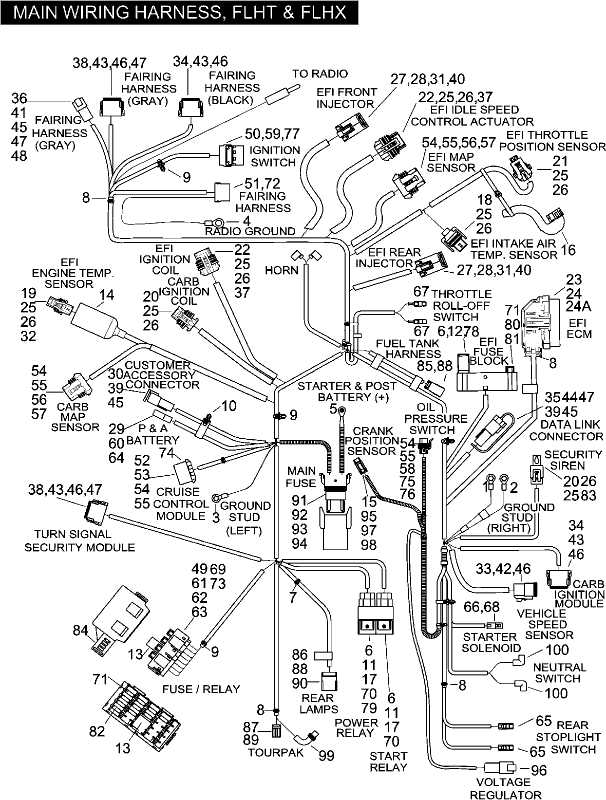
Identify each terminal on the key-controlled power module before connecting the harness. Most V-twin cruiser models use a rear contact plate with several labeled posts that distribute battery power to different circuits. The standard layout normally includes:
- B or BAT – main battery feed, usually a red conductor coming from the main fuse or circuit breaker
- IGN – engine control and coil supply line, often pink or white
- ACC – accessory power such as radio, gauges, or auxiliary lighting, typically orange with white stripe
- ST – starter relay trigger lead, frequently yellow with green or solid yellow insulation
- GND – frame ground connection tied to the chassis
Use a multimeter in continuity mode while rotating the key cylinder through OFF, ACC, and RUN positions. In the OFF position only the battery feed post remains isolated; ACC connects BAT to the accessory line; RUN connects BAT to both accessory and engine control leads; START temporarily links BAT to the starter relay trigger contact. Incorrect conductor placement may cause permanent starter engagement or loss of gauge power. Secure each lead with ring terminals and apply dielectric grease on the contact plate to reduce corrosion inside the tank console housing.
Harley Davidson Ignition Switch Terminal Identification and Wire Color Codes
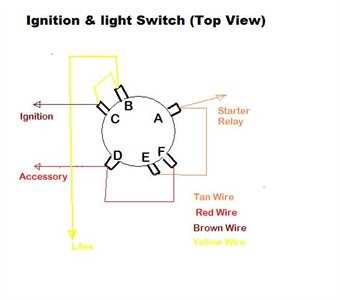
Locate the battery input post on the rear contact plate before attaching any conductors. This terminal usually carries a red lead that comes from the main fuse or circuit breaker near the battery. Voltage at this post should read about 12–12.7 volts with the engine off. If no voltage appears, inspect the main fuse block and battery cable before checking other connections.
Identify the terminal that supplies power to the engine control circuit. Many V-twin cruiser harness layouts use a pink or white conductor for this line. When the key cylinder rotates to the RUN position, the battery feed connects internally to this terminal. Power then flows to the coil, electronic control module, and fuel system on later models. A damaged or loose connector here prevents the engine from starting despite a fully charged battery.
Accessory circuits typically use an orange wire with a white stripe. This lead powers instruments, horn relay, and lighting fuse blocks once the key is turned to ACC or RUN. If gauges remain dark or the horn relay stays inactive, check continuity between the accessory terminal and the orange conductor inside the harness bundle under the fuel tank console.
The starter relay trigger lead often appears as yellow or yellow with green stripe. This conductor carries a brief signal during the START position. Current flows from the battery feed terminal through the key-operated contact plate and reaches the relay coil mounted near the battery tray. A multimeter should detect voltage on this conductor only while the key is rotated fully clockwise.
Ground connections rely on a black conductor or a direct metal link between the contact plate and the frame. Resistance between this point and the battery negative terminal should remain under 0.2 ohms. Higher resistance leads to intermittent instrument power or unstable relay operation.
Check each post with a multimeter and label the conductors during service. Recording the color mapping and terminal positions prevents confusion during reassembly and reduces the risk of connecting battery power to the wrong circuit inside the control module.