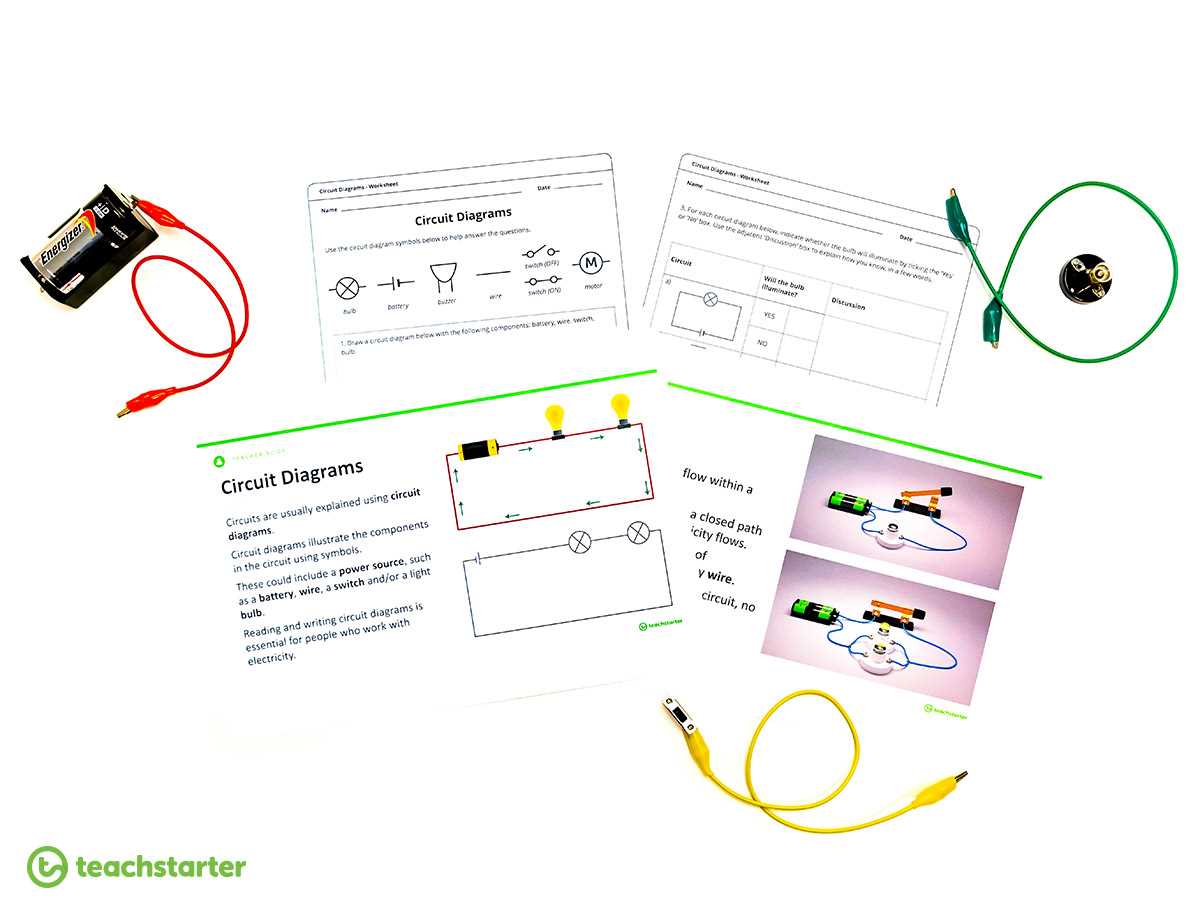
Start by identifying each symbol and its function within the layout. Common representations include resistors, capacitors, diodes, and transistors, each with standardized shapes and labels that indicate value and orientation.
Trace the path of current through the network to understand how components interact. Follow each line from power source to load, noting junctions and parallel branches to predict voltage drops and potential points of failure.
Verify connections before powering the assembly by checking continuity and inspecting for crossed or missing lines. Use a multimeter to confirm expected resistance, voltage, and polarity across critical nodes to avoid damage.
Document component specifications such as ratings and tolerances alongside their placement. Keeping a record of nominal values, voltage limits, and current capacities ensures accurate assembly and simplifies troubleshooting in complex setups.
Guide to Reading and Understanding Electrical Schematics and Component Connections
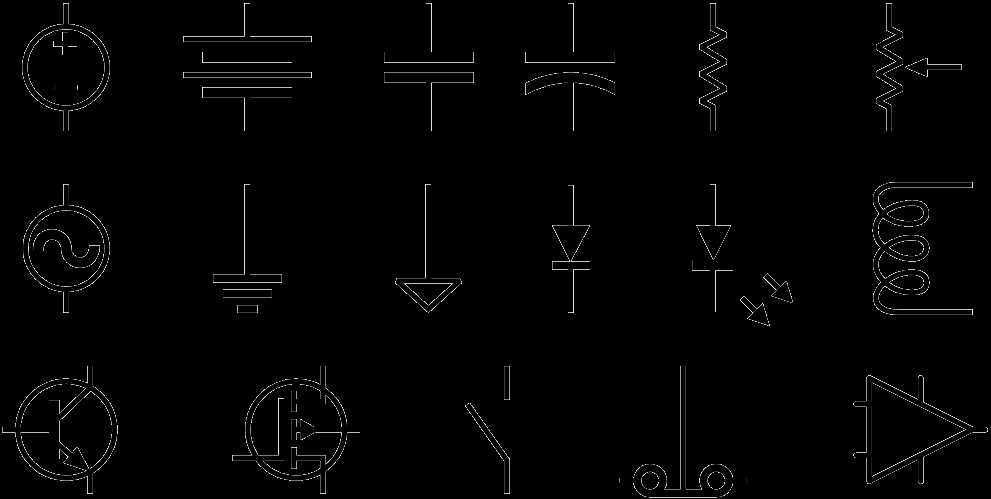
Identify each symbol and trace its function to understand how energy flows through the layout. Key elements to recognize include:
- Resistors showing value and tolerance
- Capacitors with polarity and voltage rating
- Diodes indicating direction of current
- Transistors with base, collector, and emitter connections
Follow each path from the source to loads, noting junctions and branching lines. Verify continuity with a multimeter and confirm that connections match the specifications listed for each component. Labeling nodes and critical points improves accuracy and prevents errors during assembly or troubleshooting.
Identifying Symbols and Labels in Electrical Schematics
Recognize standard symbols for each component to accurately interpret the layout. Resistors are represented as zigzag lines with value markings, capacitors as parallel lines or curved plates with voltage ratings, and diodes as triangles pointing to a line indicating current direction.
Check labels and annotations next to each symbol. Numbers often indicate reference designators such as R1, C2, or D3, while values show resistance, capacitance, or maximum current. Confirm these match the parts list before assembly.
Distinguish between power and signal lines using line thickness and labeling conventions. Bold lines typically represent main voltage paths, while thin lines indicate low-current signal traces. This helps prevent misconnection and overloads during setup.
Verify polarity markers on components with directional behavior, such as electrolytic capacitors, LEDs, and transistors. Positive and negative terminals must match the schematic to maintain proper operation and avoid damage to sensitive elements.