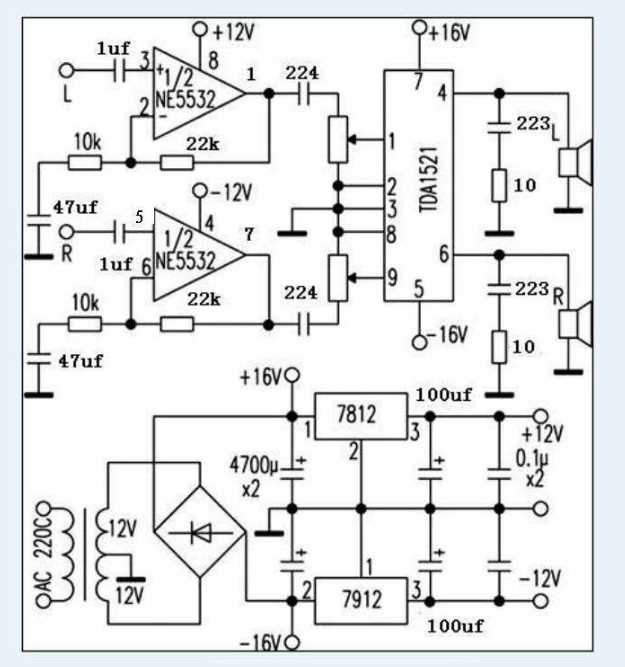
Verify all power sources and grounding points before starting any assembly. Correct identification of line, neutral, and protective connections prevents short circuits and ensures safe operation.
Verify all power sources and grounding points before starting any assembly. Correct identification of line, neutral, and protective connections prevents short circuits and ensures safe operation.
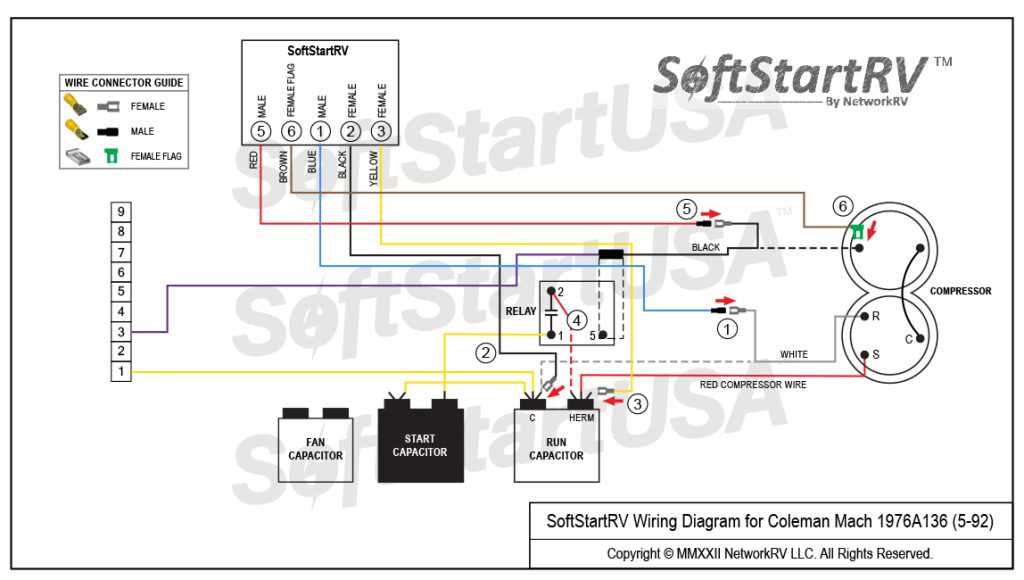
Verify the main power input and grounding points before making any connections. Ensure terminals are clean, free of corrosion, and tightened to prevent voltage drops and signal errors.
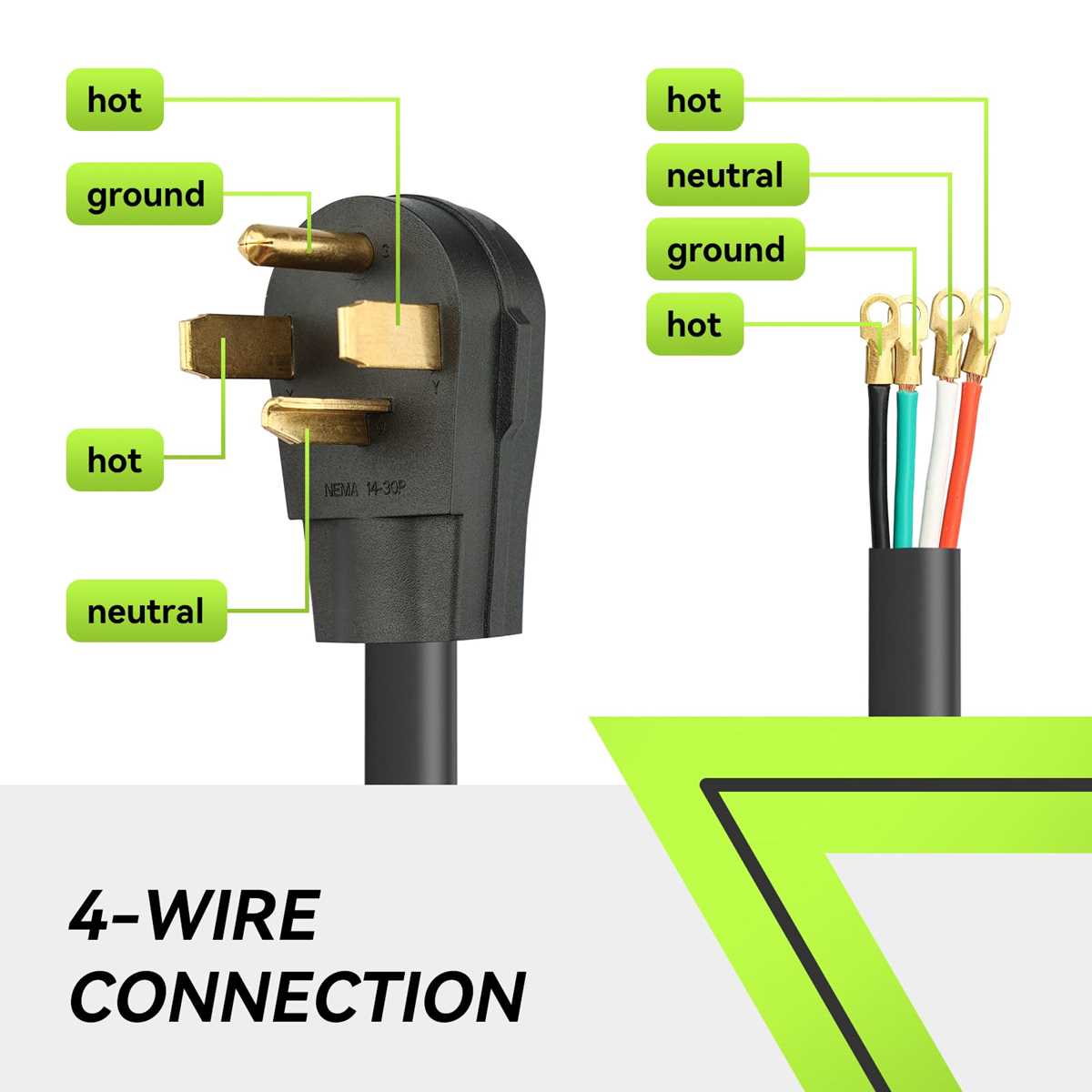
Connect the appliance cord using two hot conductors, one neutral conductor, and one equipment grounding conductor at the rear terminal block of the laundry appliance. The two hot conductors deliver 240 V across the heating element, while the neutral conductor provides 120 V for internal components such as the motor, timer, and control electronics.
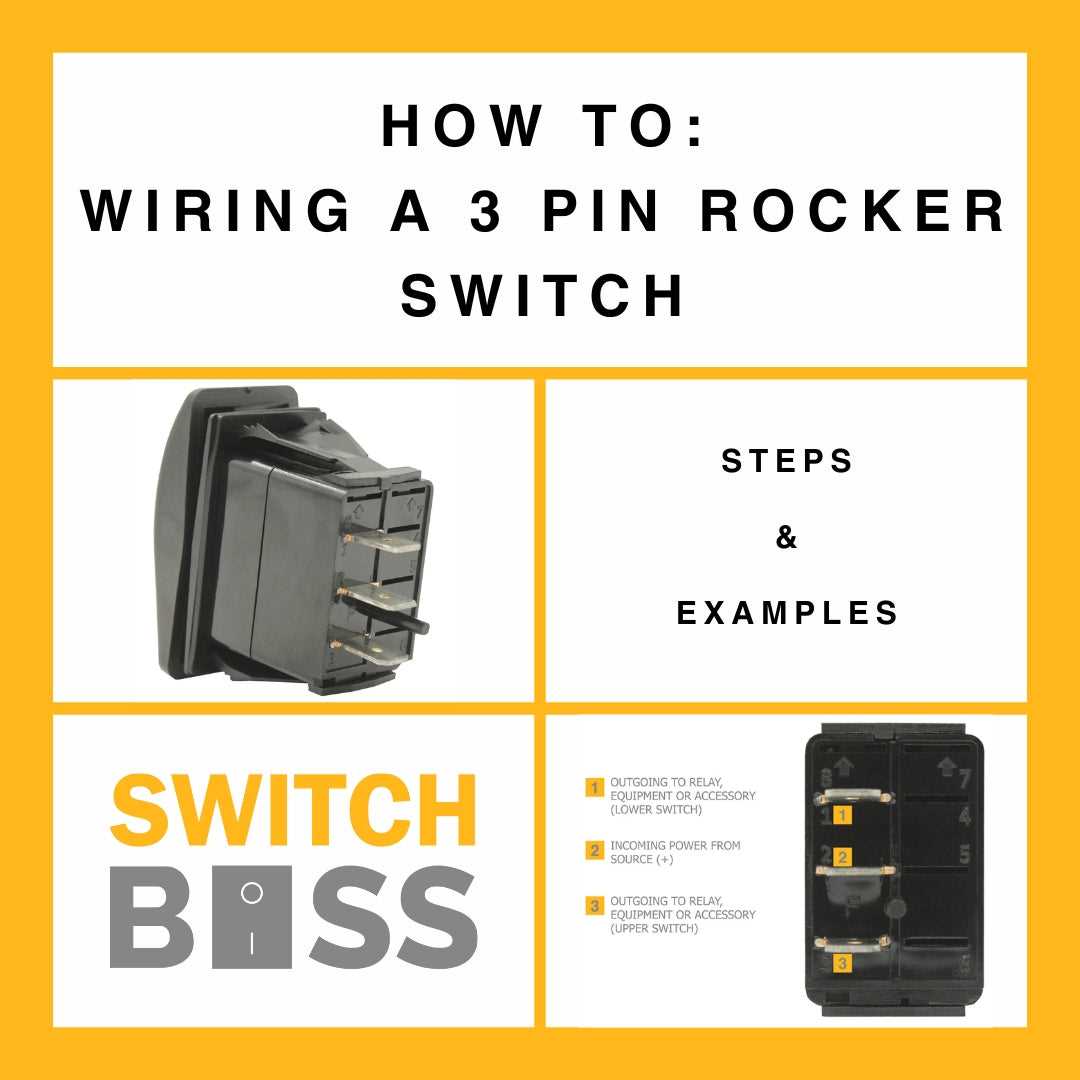
Ensure you have the right power source that meets the requirements of your component. For most applications, a standard 120V or 240V AC supply will work. Verify that the power source can supply enough current to handle the load without causing overloading or damaging your equipment.
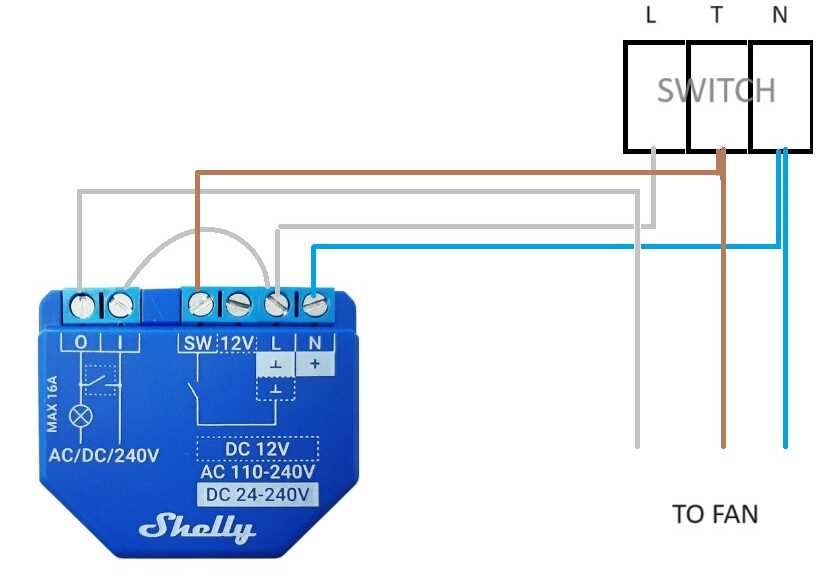
Connect the main positive lead to a fused power source rated slightly above the maximum current draw of the unit. Use 14–16 gauge stranded wire to handle startup surges without overheating.
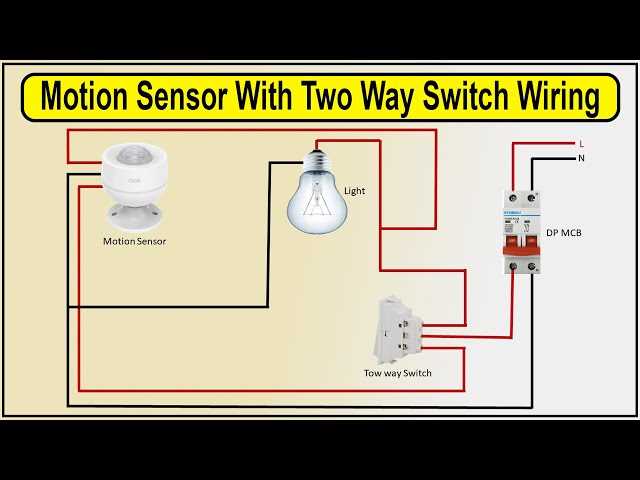
Connect the primary detection module to the main power feed using the live and neutral lines. Ensure the terminals are tightened and no copper strands are exposed to prevent short circuits. Use color-coded conductors to maintain clarity during future maintenance.
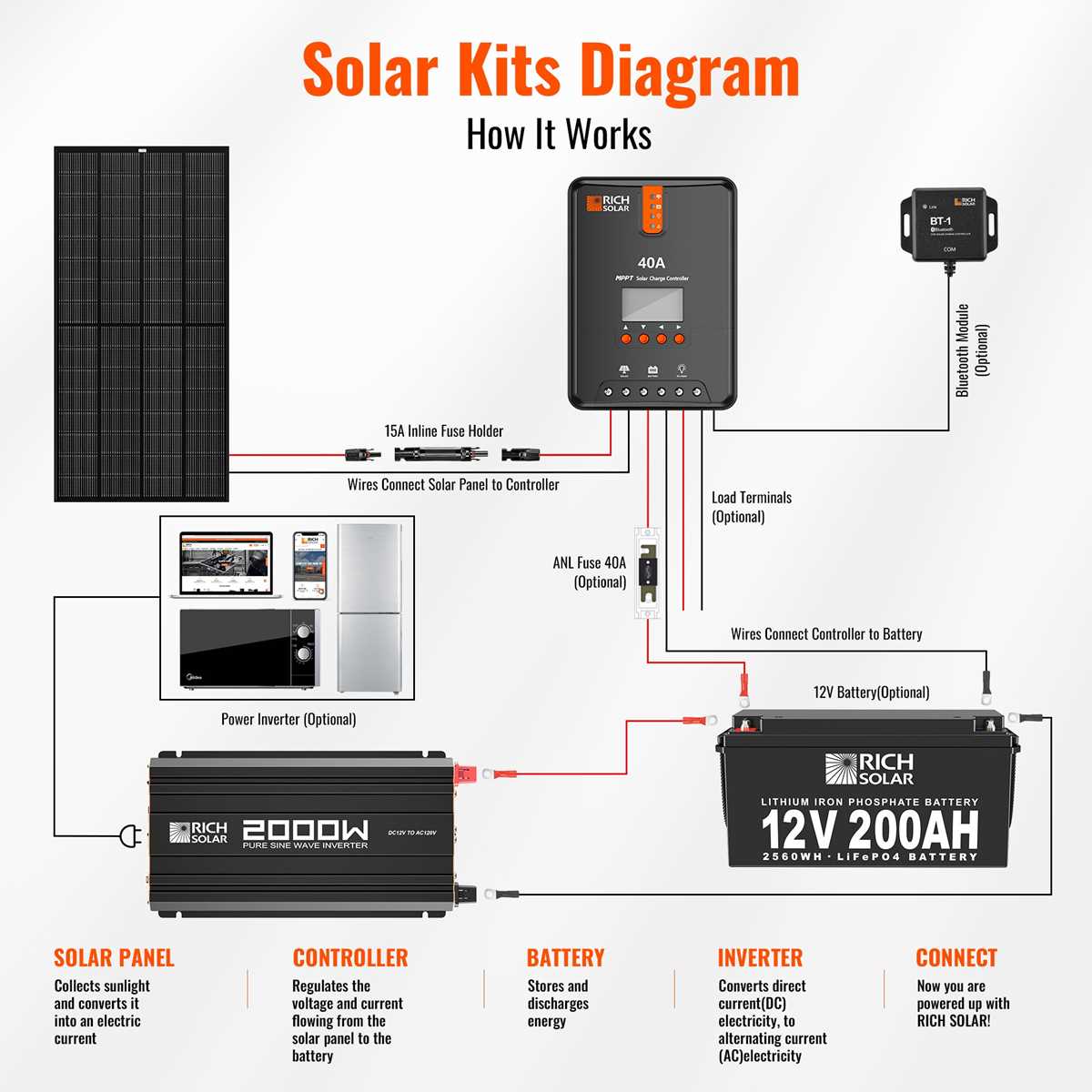
Use high-quality MOSFETs rated for at least 50 amps to handle heavy loads without overheating. Ensure each transistor has proper heat sinks and thermal paste to maintain stable operation during prolonged use.
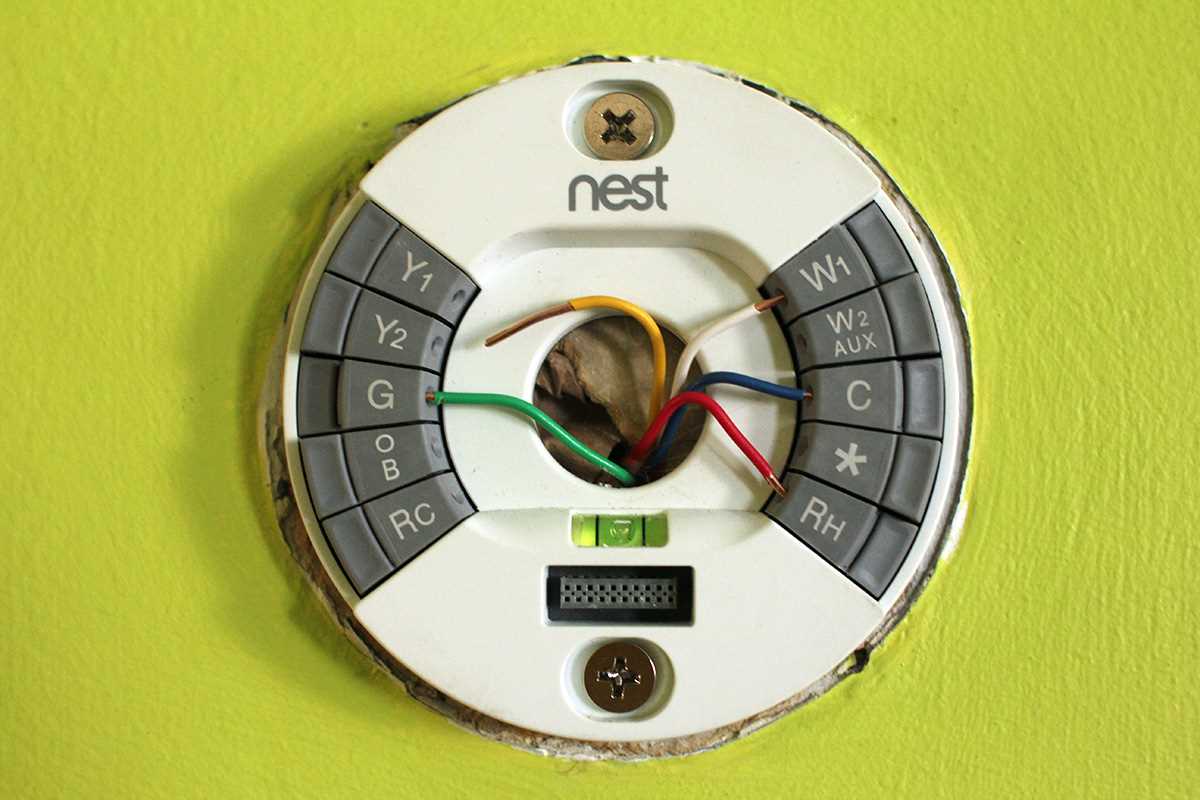
Verify the power source voltage before connecting the control unit. Most residential systems operate at 24 volts AC, and supplying incorrect voltage can damage internal components.
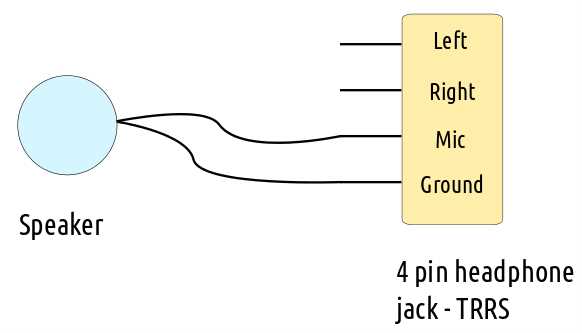
Ensure the tip, ring, and sleeve contacts are correctly assigned before attaching any cable to avoid signal interference. Use color-coded insulation to distinguish left, right, and ground lines for quick identification and reduce cross-talk.
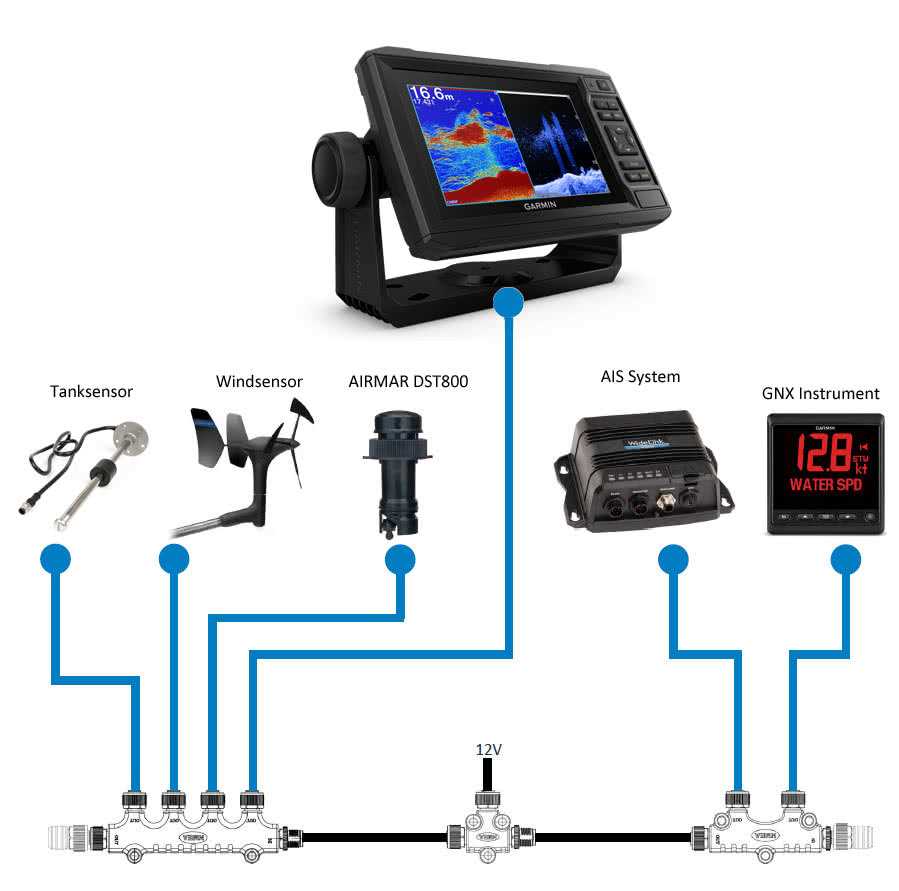
Connect the unit directly to a dedicated 12V power source using properly rated cables and inline fuses. This prevents voltage drops and protects the electronics from short circuits during operation.