For proper operation of a multi-speed unit, ensure you connect each wire to the corresponding terminal as outlined in the setup instructions. Typically, the terminals are marked with numbers or letters to indicate the phase and direction of current flow.
Category: motor
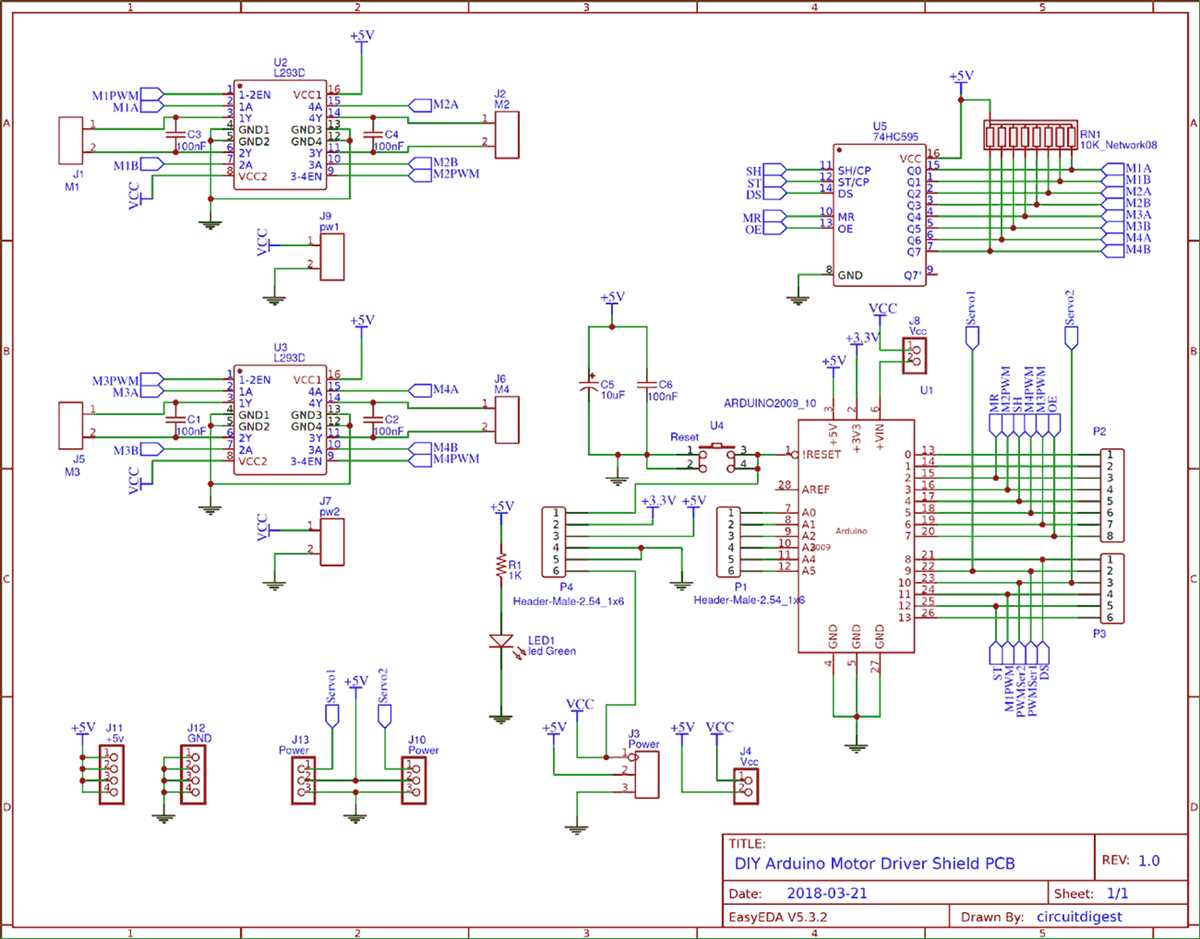
To start building a motor control setup, you need to carefully wire the motor driver to the microcontroller. Begin by connecting the power input and ground, ensuring the supply voltage matches the motor specifications. If the motor requires more power than the microcontroller can provide, an external power source will be necessary.
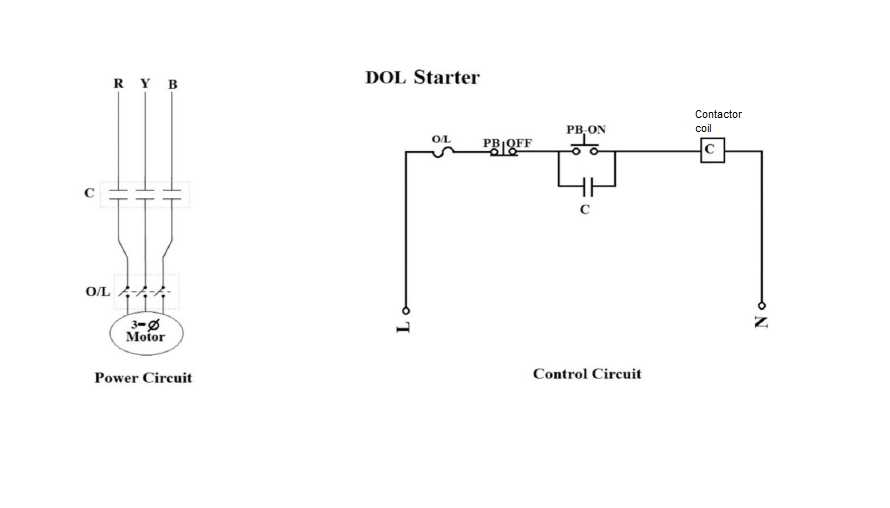
Connect the power supply terminals to the main contactor first to prevent overloads during initial activation. Ensure all fuses match the rated current of the induction equipment and verify phase sequence to avoid reverse rotation.
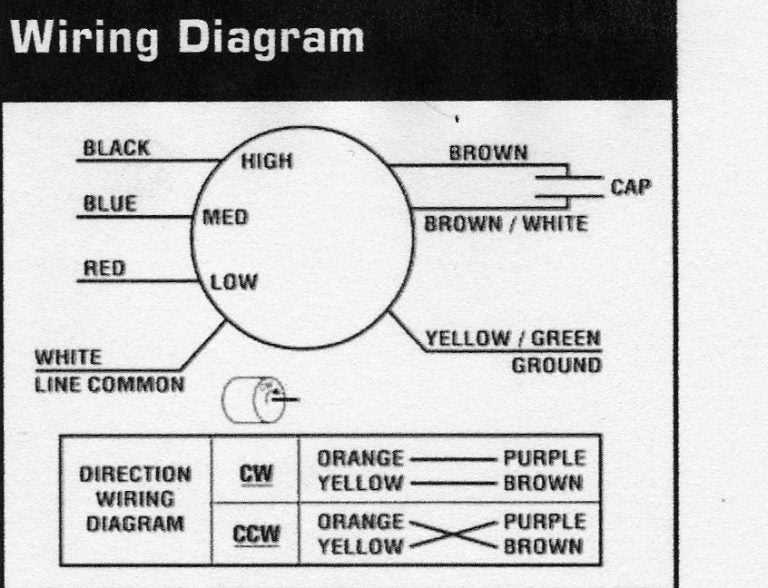
For accurate and reliable operation, begin by connecting the fan’s terminals to the appropriate control switch. This allows you to adjust the flow intensity at different levels. Use a resistor or a control module that matches the motor’s voltage rating to ensure each setting works without overloading the system.
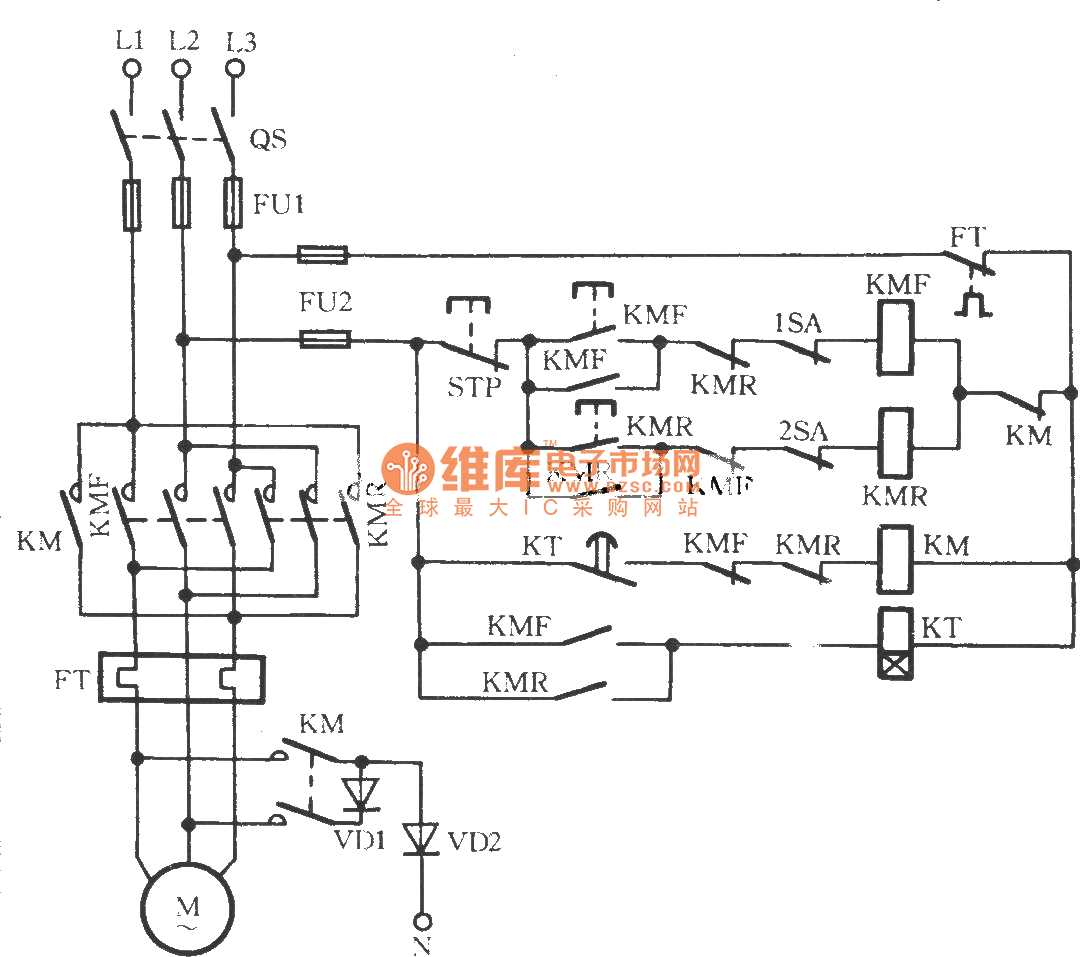
To properly regulate a three-phase electrical machine, ensure you integrate the correct switchgear and protection devices. Begin by wiring the components in a way that allows for reliable starting, stopping, and speed control of the equipment. Focus on securing the connections and ensuring that each part can handle the required load without causing overheating or damage.
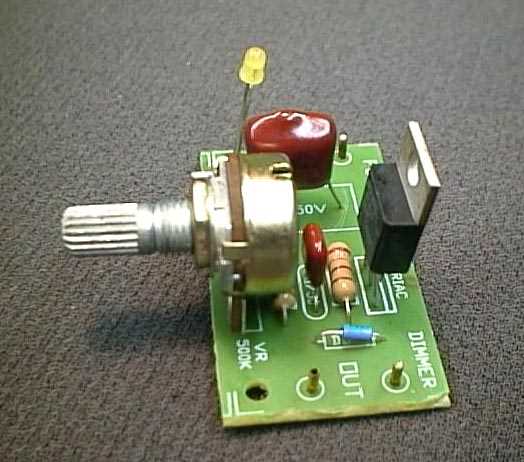
To adjust the speed of an AC-powered device, use a variable frequency drive (VFD) or phase control mechanism. Begin by integrating a transformer to step down the voltage as needed for the specific requirements of the system.
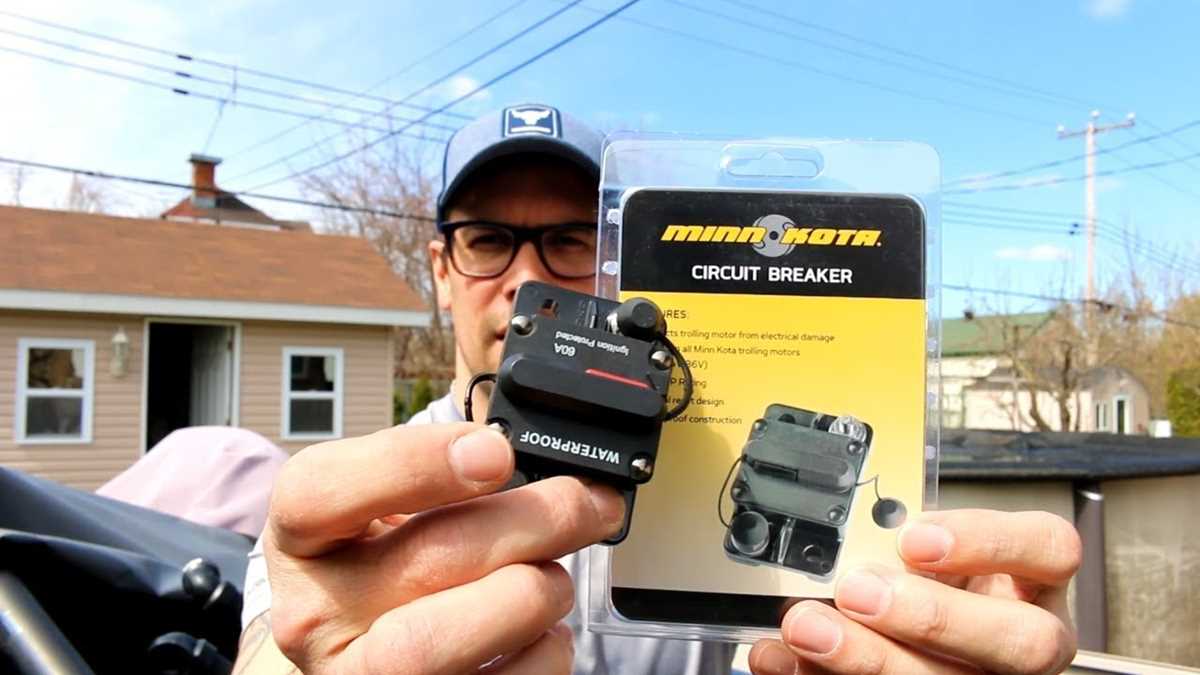
To connect a 24V system to your boat’s propulsion unit, start by ensuring you have the right components, including a battery bank with two 12V batteries wired in series. This configuration will deliver the required 24 volts to power the system.
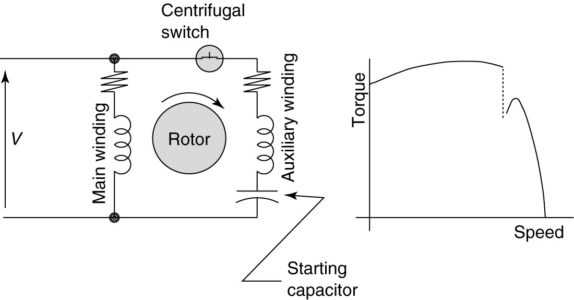
To properly connect a capacitor to your electric equipment, start by identifying the correct terminals. Make sure to match the capacitor’s leads to the appropriate points on the system, ensuring that you achieve proper functioning and safety.
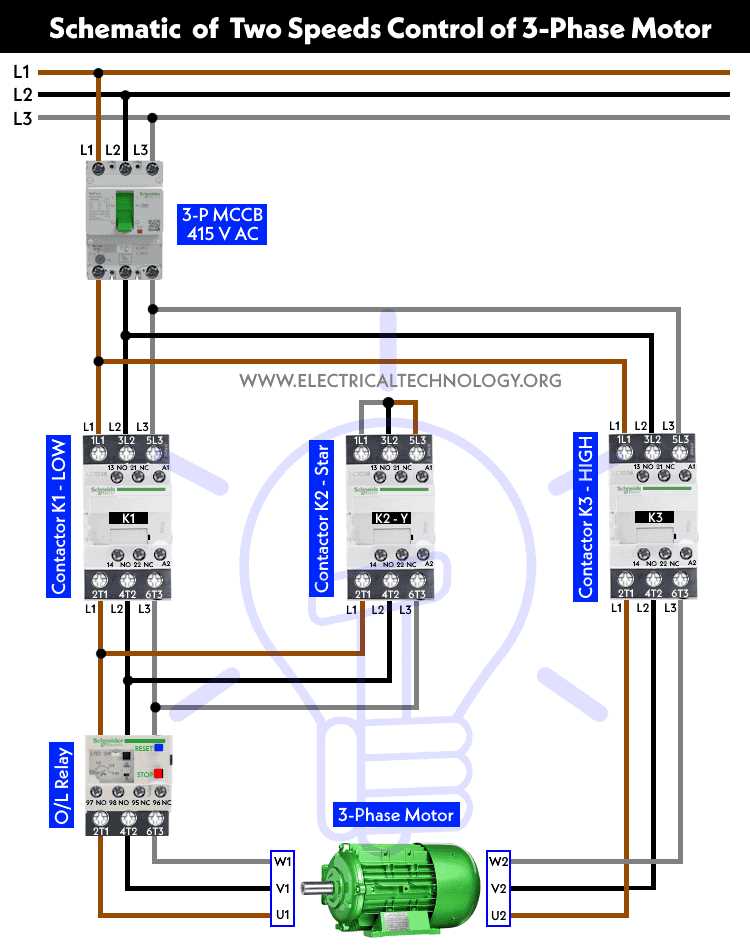
Check terminal labels carefully before applying power. Each connection point indicates voltage compatibility and current direction, preventing equipment damage and operational hazards.
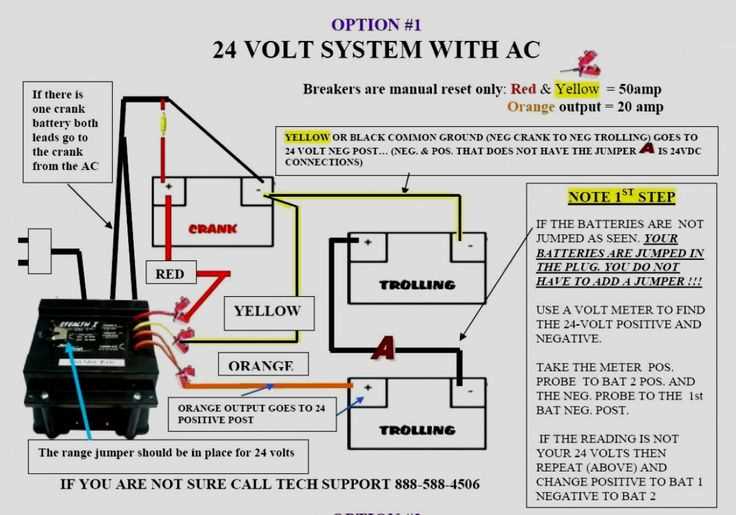
Attach positive and negative battery leads directly to the main terminals before installing any control units. Ensure cable gauge matches the current rating to prevent overheating or voltage drop. Use marine-grade connectors to resist corrosion.