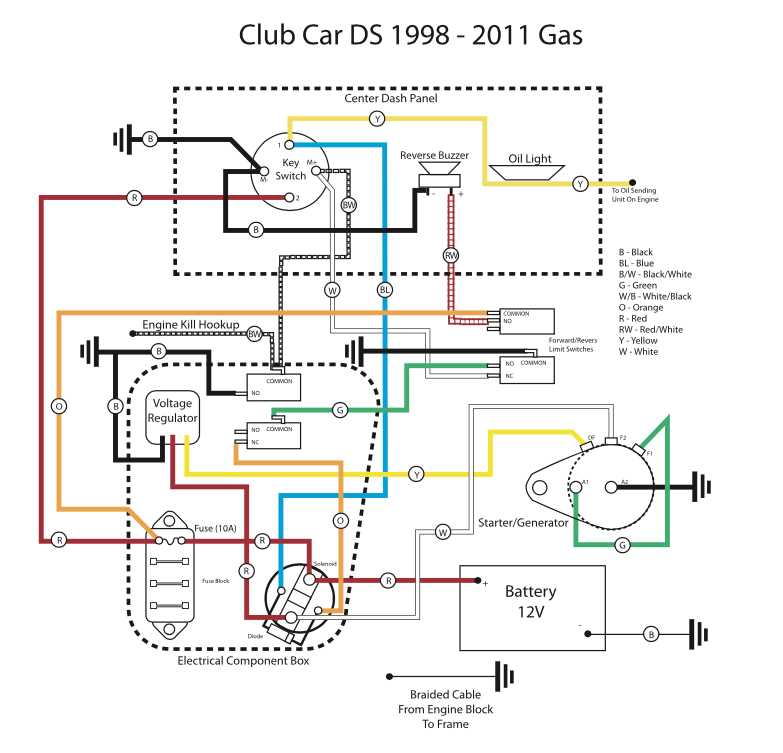
If you’re looking to troubleshoot or modify the electrical system in your vehicle, knowing how to interpret its electrical schematics is crucial. These diagrams outline how each component connects, allowing you to understand their functions and how they interact. Start by identifying key parts such as the battery, alternator, starter motor, and fuses. Each of these components plays a vital role in the overall functionality of the electrical network.
Before working with any system, ensure you understand the wiring conventions used in these charts. For example, solid lines typically represent wires, while dashed lines may indicate connections that can be interrupted or controlled. Additionally, symbols are used for different components like relays, sensors, and switches. Understanding these symbols will save you time and help avoid mistakes when making repairs or modifications.
Having a clear understanding of the layout also allows for more efficient troubleshooting. If an issue arises, you can trace the connections between components and quickly identify where a fault might lie. Whether you’re replacing a fuse, diagnosing a malfunctioning sensor, or rewiring a damaged part, knowing the electrical flow will enable you to work methodically and effectively.
Understanding the Electrical Layout of a Vehicle
Each vehicle features a complex network of electrical connections that allow its components to function smoothly. The key to effectively working with this system is understanding how these elements are wired together. Start by familiarizing yourself with the different parts, such as the ignition system, battery, alternator, and relays. Understanding the role of each component will help you identify faults or points of failure quickly.
One of the most critical connections in any vehicle’s electrical system is the connection between the battery and the other components. A common issue is poor grounding, which can lead to malfunctioning lights, sensors, and other electronic parts. Always check the grounding points to ensure they are free from corrosion and have a solid connection.
The ignition system typically consists of the ignition switch, relay, coil, and distributor. Knowing the connection sequence between these components is crucial when diagnosing engine starting issues. If there is no spark, it might be due to a failure in one of these connections, and pinpointing which part is malfunctioning will save valuable time during repairs.
Next, focus on the fuses, which are designed to protect sensitive components from electrical overload. Each fuse has a specific amperage rating, and when that rating is exceeded, the fuse will blow to prevent damage to the wiring or components. Checking the fuses is a simple yet effective way to determine if a circuit is damaged or overloaded.
Common Troubleshooting Tips
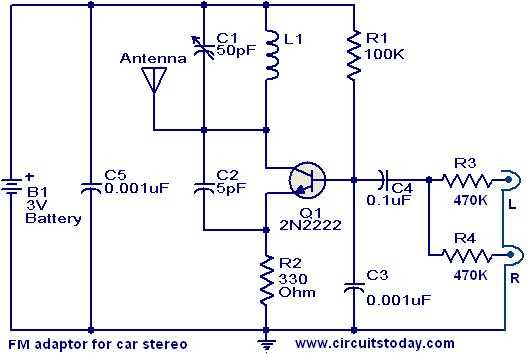
When troubleshooting the electrical system, use a multimeter to check for continuity and ensure the power is flowing properly. A common issue to check for is a blown fuse, which can easily be replaced. Additionally, ensure the battery terminals are clean and tightly connected. A loose connection can prevent the vehicle from starting or cause intermittent issues with other electrical systems.
Another issue to watch out for is damaged or worn-out wires. Over time, wires can degrade due to heat, moisture, and friction. Carefully inspect the wiring for any signs of damage, and replace sections of wiring if necessary. For added protection, consider using wire loom or heat shrink tubing to cover exposed wires.
Understanding the Wiring Layout for Accessories
When installing accessories such as lights, radios, or aftermarket alarms, it’s important to know how to integrate them into the vehicle’s main electrical layout. Many accessories will require tapping into the ignition system or fuses, so be cautious and make sure that connections are secure and insulated. Incorrectly wired accessories can lead to blown fuses or even short-circuiting, which can damage sensitive components.
By regularly inspecting and understanding the electrical network within your vehicle, you can prevent common issues and ensure the system works efficiently. Always refer to a reliable source for vehicle-specific wiring layouts when making modifications or repairs. This ensures compatibility and reduces the risk of damaging your vehicle’s electrical components.
Identifying Key Components in a Vehicle’s Electrical System
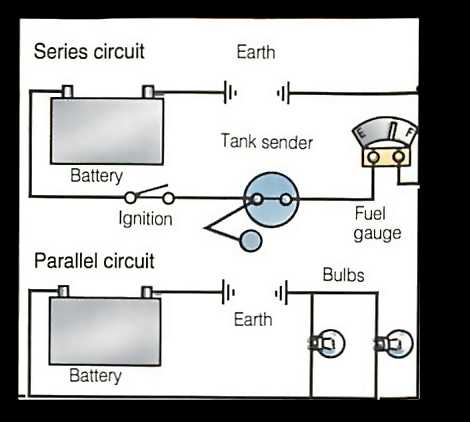
The first step in understanding a vehicle’s electrical setup is identifying the main components responsible for its functioning. Start by locating the battery, which serves as the central power source. The battery’s terminals should be free of corrosion, and its voltage must be checked regularly to ensure it is holding a proper charge.
The ignition system plays a pivotal role in starting the engine. Components like the starter motor, ignition switch, and relay are all interconnected to initiate the engine’s operation. If the engine fails to start, checking these connections for any signs of damage or wear is crucial. Test the relay and fuses before moving on to more complicated parts like the starter motor itself.
Examining the Alternator and Voltage Regulator
The alternator is responsible for charging the battery while the engine runs. If the alternator is malfunctioning, the battery won’t charge properly, leading to power loss and electrical failures. Check the alternator’s connections and ensure the voltage regulator is maintaining a consistent output. Any fluctuations in voltage may indicate a malfunction in the alternator or regulator.
Next, inspect the wiring harness, which connects all the electrical components. Over time, wires can become frayed, damaged, or disconnected. Pay close attention to any exposed wires, as they may lead to shorts or irregular electrical behavior. Replacing damaged sections of the harness can prevent more serious issues down the road.
Understanding Fuses and Relays
Fuses and relays are critical for protecting your vehicle’s electrical components from overload. A blown fuse is an easy fix but should never be ignored, as it points to a deeper issue in the electrical system. Relays, on the other hand, help control the power distribution to high-demand components like the air conditioning or headlights. Check the relays for functionality and replace them if necessary to maintain a stable electrical flow.