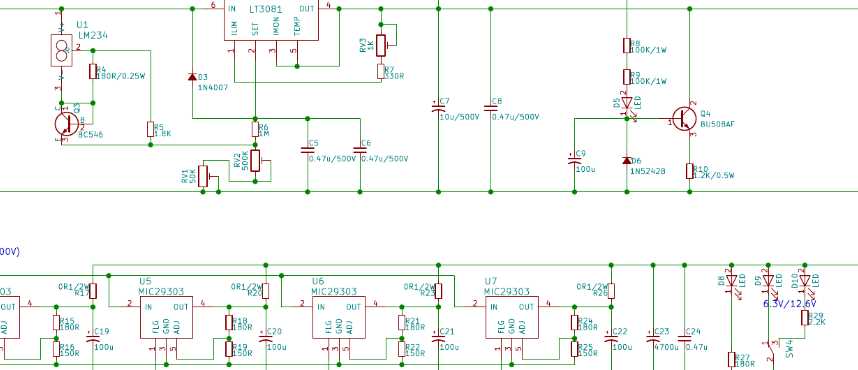
To create a stable and versatile source for your electronics projects, focus on selecting the right voltage regulation method. Incorporate adjustable regulators to provide different output voltages depending on the needs of your devices. Properly dimensioned heat sinks for the regulators will prevent overheating, ensuring the system operates smoothly over extended periods of time.
Carefully choose the components to handle the required current and voltage levels. Key parts such as transformers, diodes, and capacitors should be rated for the expected load. For filtering and smooth output, use high-quality electrolytic capacitors near the regulator’s input and output pins. These components help in reducing ripple and noise, which can affect performance.
Grounding is a vital part of the setup. Ensure all components share a common ground plane. This minimizes potential differences that can lead to unwanted voltage variations. A well-designed grounding system prevents erratic behavior and enhances the safety of the entire system, especially in high-current circuits.
Designing a Stable Voltage Regulation System
Start with selecting the correct voltage regulator. Choose either linear or switching regulators based on your needs. Linear regulators are simpler and provide cleaner output, but are less efficient. For higher efficiency, especially in high-current applications, consider using a switching regulator. Ensure that the regulator can handle the maximum expected load current and provide the required output voltage range.
Pay attention to input and output capacitors. These components are critical in stabilizing the voltage provided by the regulator. Input capacitors should be placed as close as possible to the regulator’s input pins to filter any high-frequency noise from the input supply. Output capacitors, placed near the regulator’s output pins, help to reduce voltage ripple and maintain a stable output.
For temperature management, use adequate heatsinks for the regulator if it’s dissipating significant power. The heat generated by the regulator can cause it to overheat, especially in continuous high-load conditions. Adding thermal protection or using temperature-sensitive shutdown mechanisms can prevent permanent damage.
The current-limiting feature is another vital aspect of the design. Include a current-limiting circuit to protect both the power supply and the connected devices from overcurrent situations. A simple resistor in series with the output can provide basic protection, but more advanced designs use adjustable current-limiting circuitry for better control and reliability.
Finally, ensure proper grounding throughout the system. A single, solid ground plane helps minimize noise and ensures that the output remains stable. Grounding issues can lead to erratic performance, so make sure all components share a common reference point for ground connections.
Designing the Voltage Regulation Stage for Stable Output
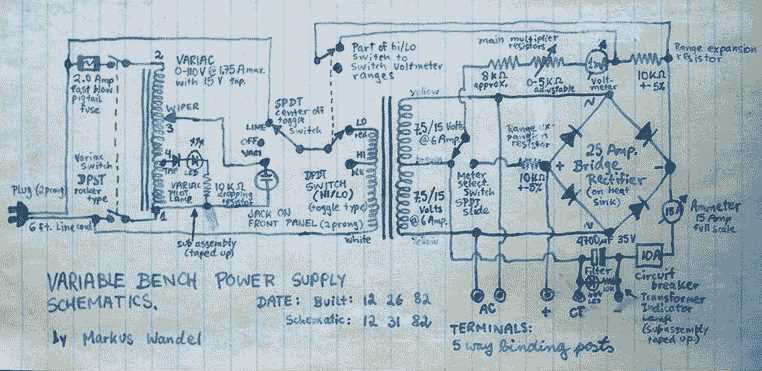
Select a suitable voltage regulator that matches the voltage and current requirements of your application. For lower power applications, linear regulators can be used for a clean and simple solution. However, for higher currents or more efficient designs, a switching regulator is preferred. These regulators convert excess voltage into current, minimizing heat dissipation and improving efficiency.
Integrate input capacitors to smooth out any fluctuations or noise from the source voltage. Choose capacitors with appropriate voltage ratings that exceed the expected input levels. Typically, a 0.1µF ceramic capacitor is used in combination with a larger electrolytic capacitor, such as 10µF, for added stability.
Pay close attention to output capacitors, as they directly affect the quality of the output voltage. Select capacitors with low equivalent series resistance (ESR) to ensure minimal ripple. Position these capacitors as close as possible to the output terminals of the regulator for maximum effectiveness in filtering out noise and stabilizing the output.
Consider implementing an adjustable output feature if flexibility is required. Use a potentiometer or an external voltage reference circuit to provide a variable voltage output. Ensure that the adjustment mechanism doesn’t interfere with the voltage stability and that the regulator can maintain steady output across the entire adjustment range.
Incorporate thermal management into the design to prevent overheating. For regulators that dissipate significant power, use heat sinks to draw away excess heat. Ensure that the regulator has adequate ventilation, and monitor the temperature to ensure it operates within safe limits, especially under heavy loads.