Disconnect power at the breaker panel before opening the indoor HVAC cabinet. The blower unit and control board receive both high-voltage supply (usually 120 or 240 V) and low-voltage control signals around 24 V. Contact with energized terminals can damage equipment or cause injury, so power isolation is the first action before inspecting conductor routing.
Author: admin
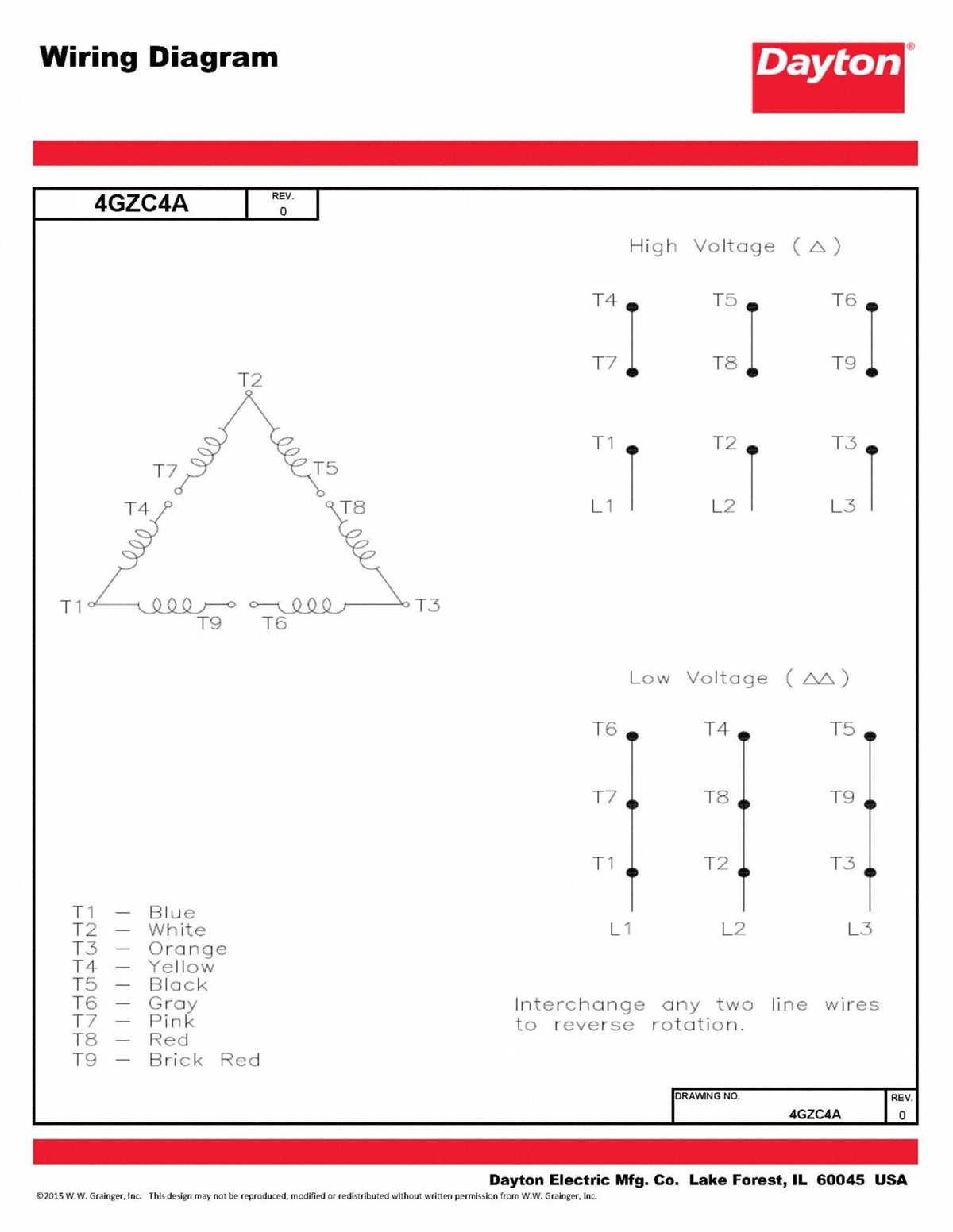
To connect a Dayton motor correctly, begin by identifying the terminals on the junction box. You’ll typically find the power leads, ground connections, and start/run terminals. Properly labeling each terminal before making any connections will help prevent errors during installation.
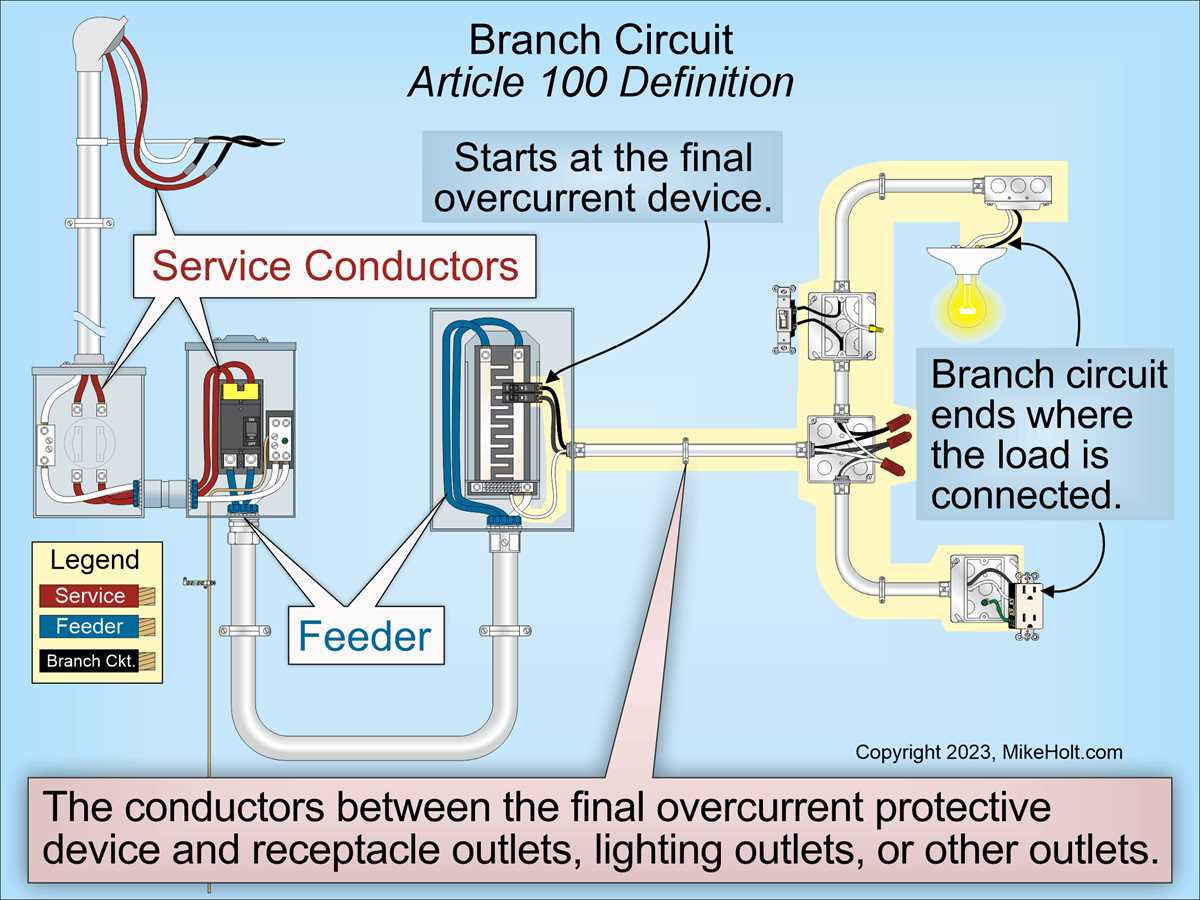
To ensure a functional and safe electrical installation, begin by mapping out the overall power flow from the main panel to the various endpoints within the system. Identify all key components, such as protection devices, switches, and outlets, considering how they will be distributed across the entire installation. This initial step lays the foundation for planning wiring routes and load balancing.
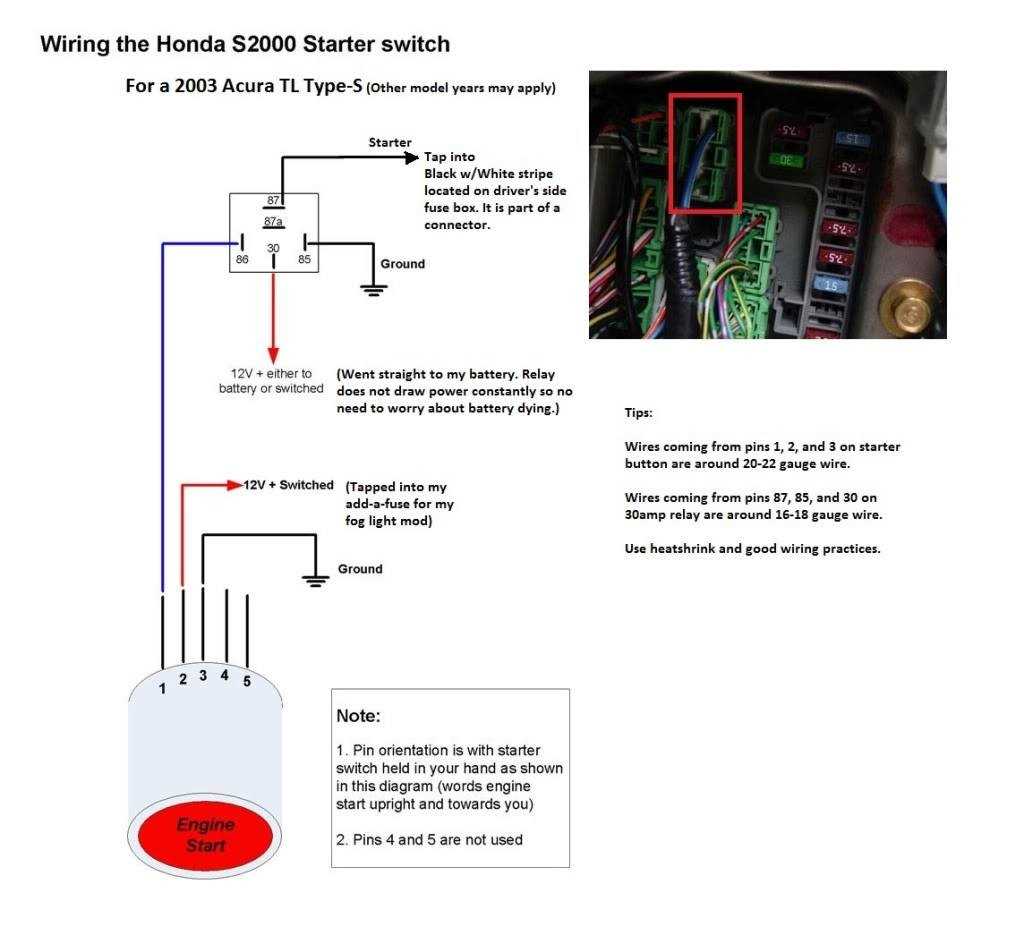
To build a functional engine power-up system, begin by connecting the control relay to the battery. This will enable the necessary flow of electricity to engage the components involved. The relay must be capable of handling the required amperage to avoid damage during startup.
Connect the control relay terminals using short, thick wires to maintain stable voltage and reduce power loss. Include a 0.1 µF ceramic capacitor near the relay coil for decoupling and noise suppression.
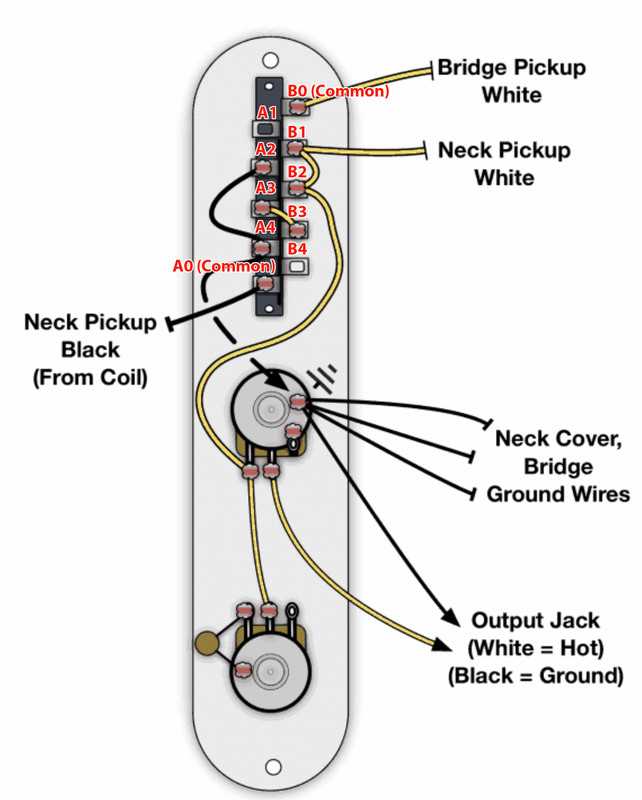
Start by carefully connecting the terminals of the selector. Each position on the component controls a specific pickup, and the correct wiring ensures that the signal flows from the pickups to the output in the desired configuration. The middle terminal should be connected to the output jack, while the other two terminals correspond to the individual pickups.
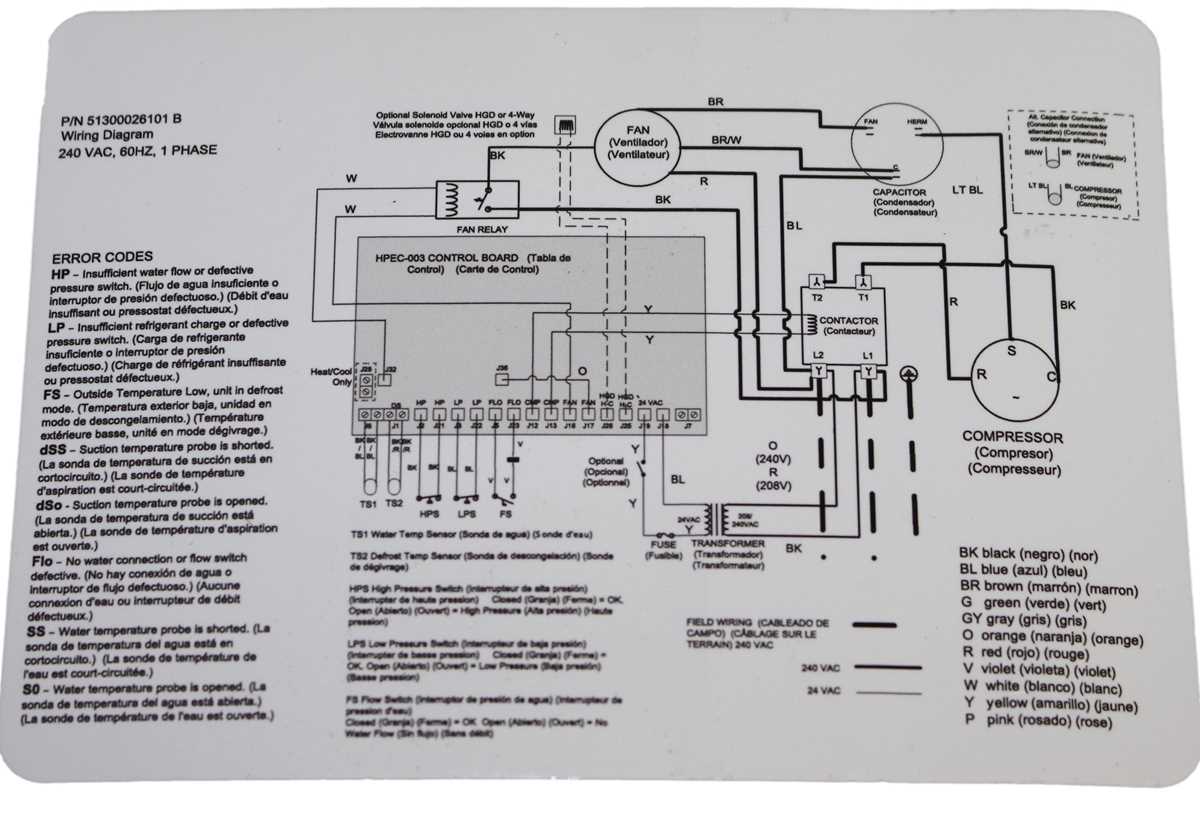
Connect the main power leads to the terminals marked for high-voltage and neutral lines. Black wires should be attached to live terminals, white to neutral, and green to ground. Always ensure the unit is disconnected from power before starting any work.
If you’re building a system that requires stepping up voltage, a well-designed power regulator is key. By using a stepped-up voltage circuit, you can ensure that lower input voltages are increased efficiently for your devices.
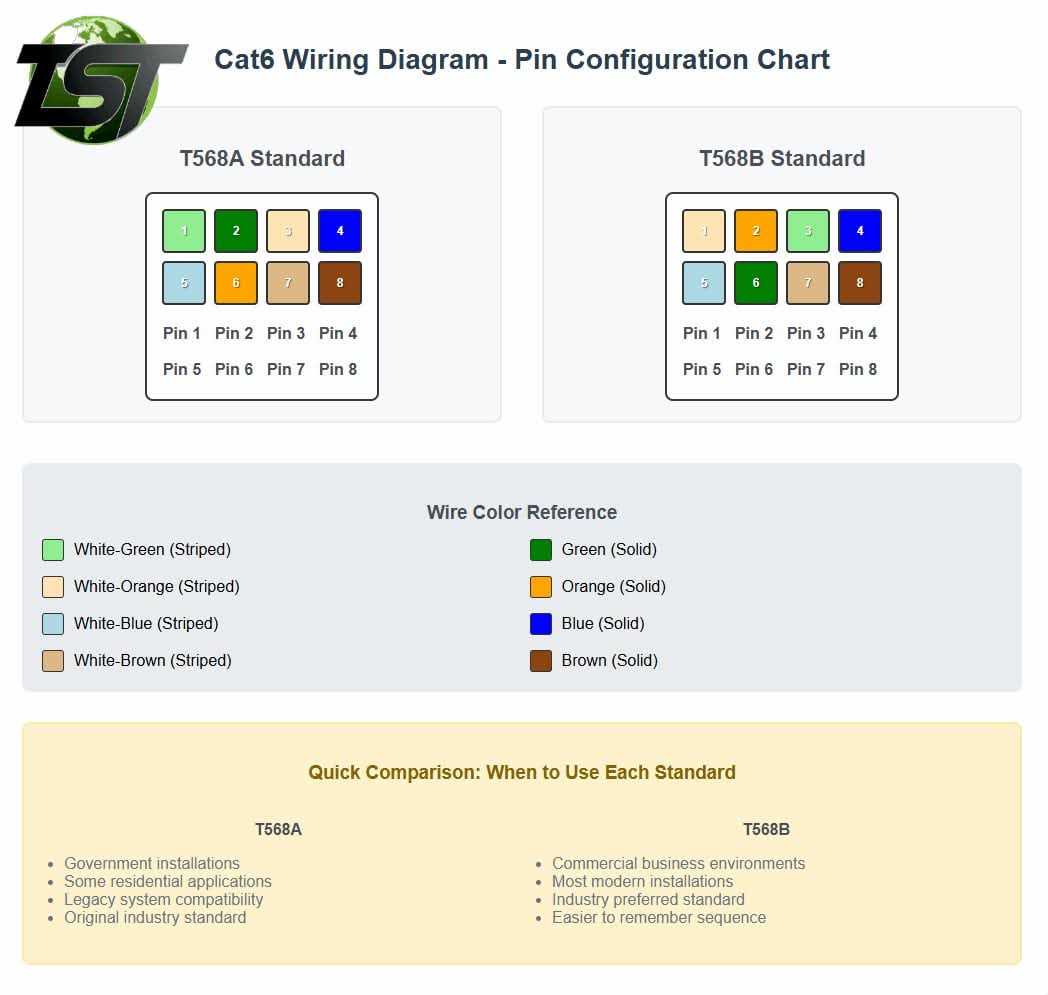
To create a high-speed and reliable network connection, follow the correct sequence of pins when arranging the conductors in the cable. The T568A and T568B wiring schemes are the two standards used for this purpose, each providing a different pinout layout.
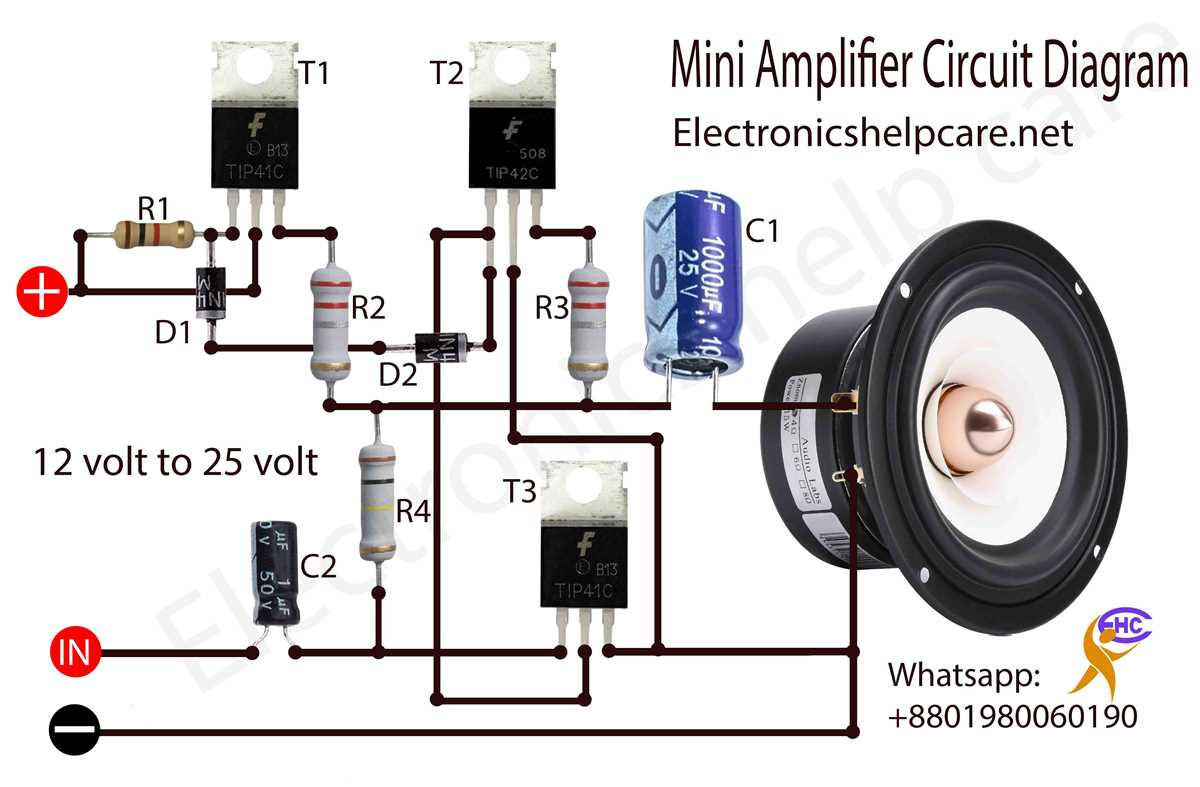
Start by focusing on the arrangement of components such as transistors, capacitors, and resistors, which form the backbone of any amplification setup. Understanding how these parts interact is key to modifying or troubleshooting a system. Each element serves a specific role, from signal processing to output enhancement.