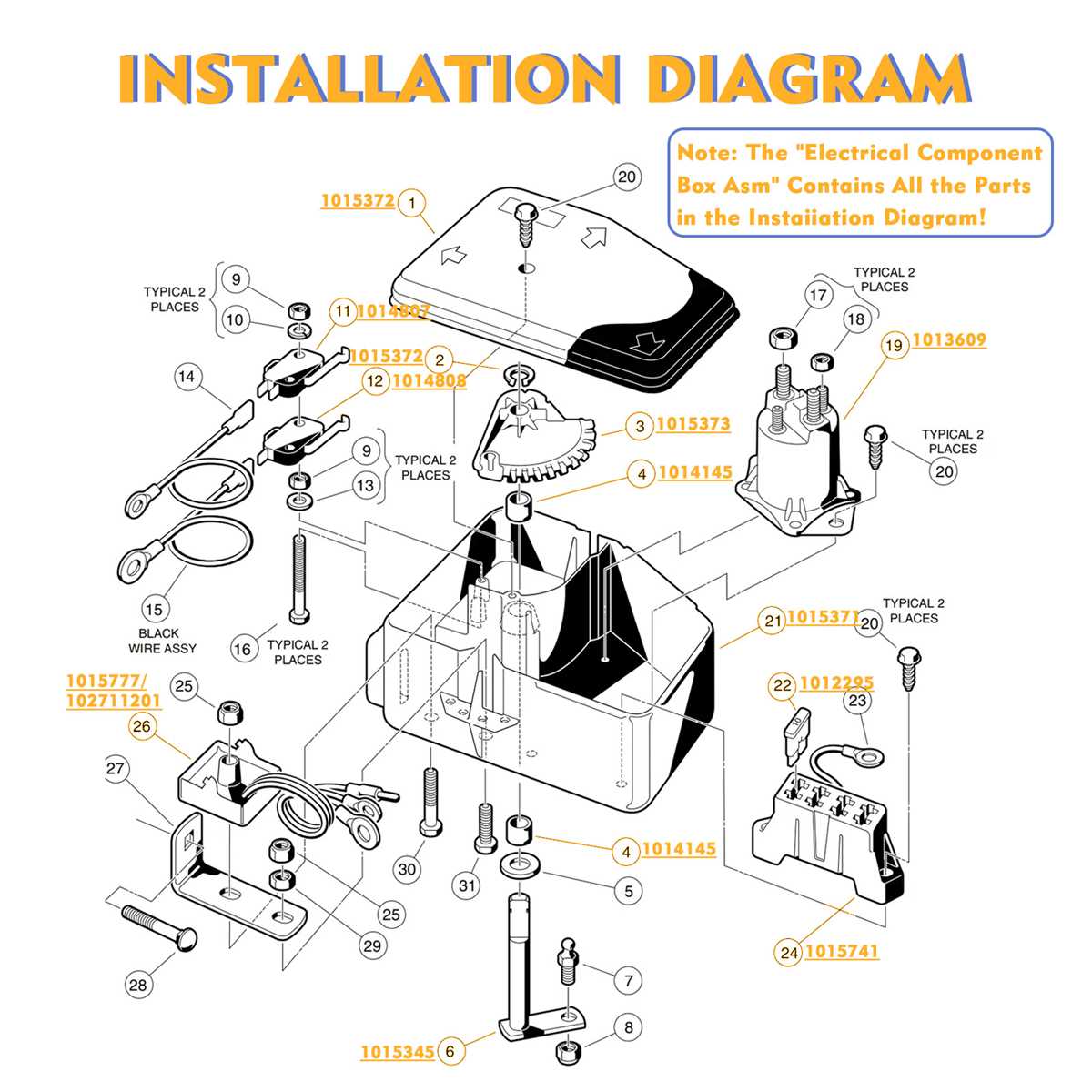
Start by inspecting the battery terminals and main power leads to confirm secure connections and clean contact surfaces. Corrosion or loose clamps can cause slow startup and intermittent power issues.
Label each connector before disconnecting any control modules or sensor lines. Using numbered tags or colored markers prevents incorrect reconnections and protects sensitive electronic components from damage.
Trace the motor and controller circuits to ensure all cables follow the correct path. Pay attention to splices, fuses, and relay contacts, as weak points in these areas often trigger operational failures.
Check auxiliary circuits such as lights and horn for proper routing and continuity. Faulty connections here can indicate underlying problems with the main harness or ground points.
Secure the main harness using clamps or zip ties to prevent vibration contact with sharp edges or heat sources. Maintaining fixed routing extends the lifespan of all electrical lines.
Use a multimeter to measure voltage and resistance across key points. Identifying drops or shorts early avoids larger failures and ensures accurate performance of sensors and switches.
Electrical Layout Guide
Begin by verifying battery connections and main power leads to ensure stable voltage delivery to the motor and control modules. Check for loose clamps, corrosion, and damaged insulation. Secure grounding points at the frame and chassis to prevent voltage drops that can cause intermittent operation of lights and sensors.
Tracing Control and Motor Circuits
Follow each conductor from the controller to the motor and accessories. Key points to inspect include:
- Starter relay and solenoid terminals
- Throttle and speed control connections
- Headlight and indicator circuits
- Fuses and inline connectors along the harness
Use a multimeter to test continuity and voltage across these points. Proper labeling of each connector before disassembly prevents misrouting and protects sensitive electronic modules from damage during reassembly.
Checking Battery and Main Power Connections
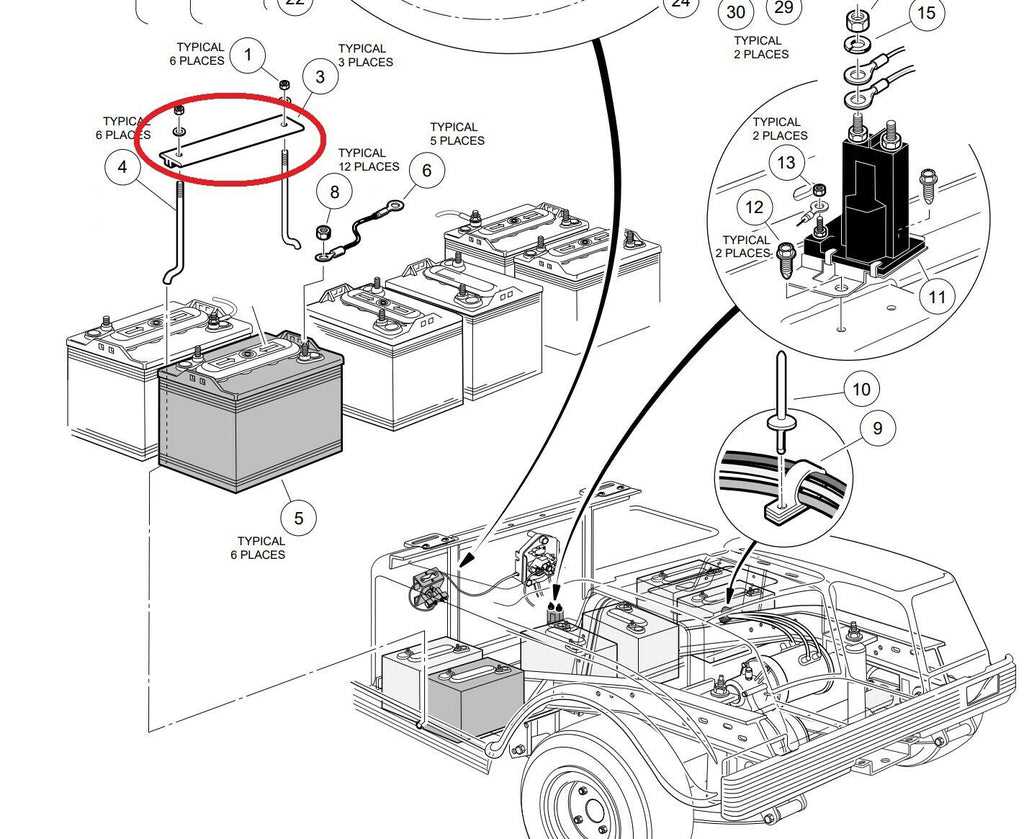
Inspect the battery terminals for corrosion, loose nuts, or frayed cables. Even a small layer of buildup can reduce current flow and prevent the motor from starting reliably.
Tighten all clamps to the manufacturer’s torque specifications. Over-tightening can damage posts, while under-tightening increases resistance and may cause intermittent electrical faults.
Examine the main power leads running from the battery to the controller and motor. Look for cuts, cracks, or worn insulation that could create short circuits or voltage drops under load.
Verify grounding points on the frame and chassis. Rust, paint, or loose bolts at these locations can disrupt current paths, affecting both starter performance and accessory operation.
Check inline fuses and connectors along the positive and negative leads. Oxidation or loose pins can trigger unexpected shutdowns or prevent full charging of the battery pack.
Measure voltage under load using a multimeter. Apply a load by engaging the motor and note any significant drops; persistent low readings indicate worn cables, bad terminals, or failing battery cells that require replacement.