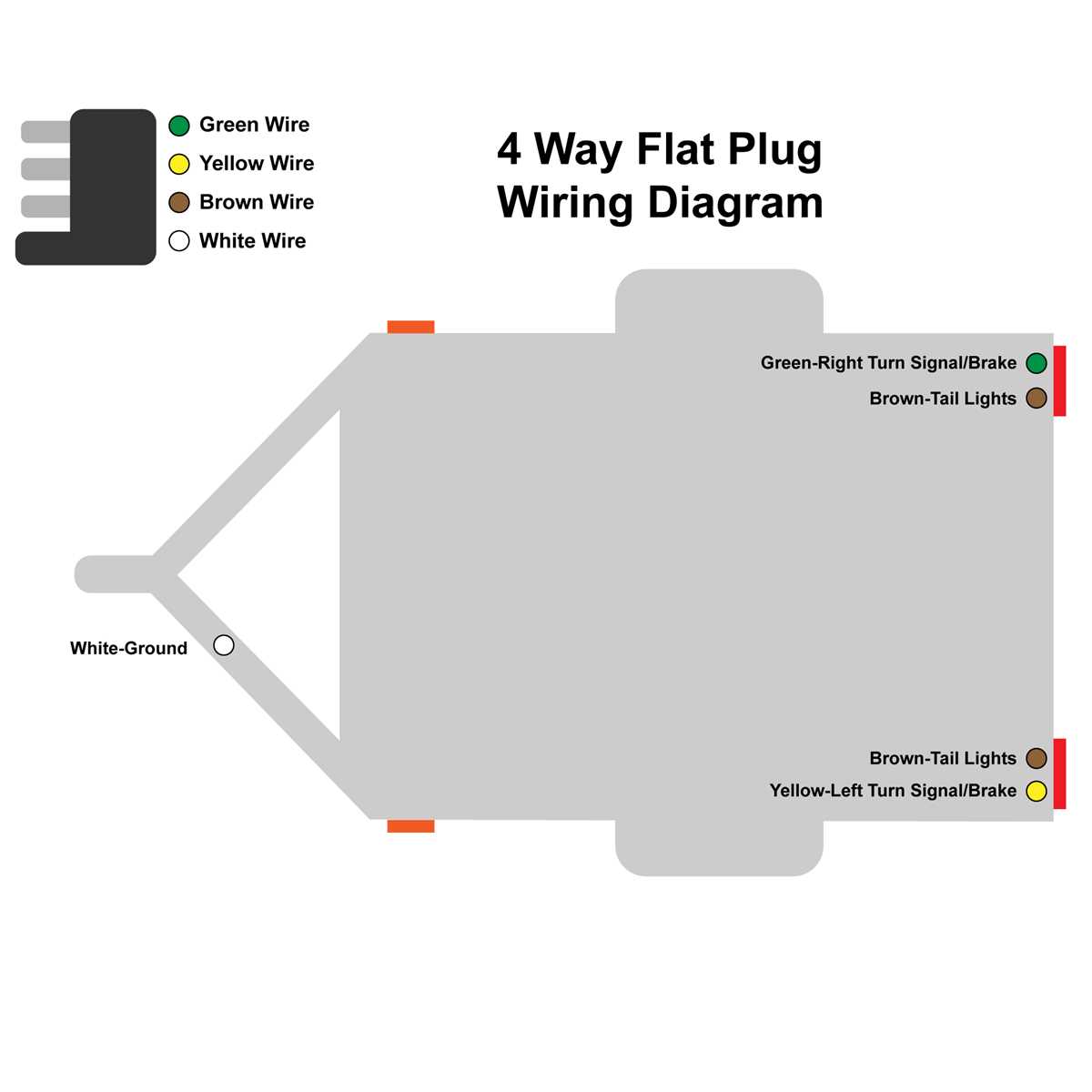
For a smooth connection, it’s crucial to understand the proper way to hook up your vehicle’s electrical system to the RV. Begin by identifying the right wires for each function, including lights, brakes, and battery charging. The primary colors you will deal with include brown for the right turn signal, yellow for the left turn signal, green for the tail lights, and white for ground. These are standard for most setups, but always verify based on your specific model.
Ensure each wire is securely fastened to avoid any loose connections, as this could lead to malfunctioning lights or systems. It’s best to use corrosion-resistant connectors to safeguard against moisture. Additionally, you may need to check the voltage compatibility, as mismatched voltages could cause shorts or burn out your system.
If you’re unsure of your vehicle’s wiring configuration, a multi-meter can help test the outputs from your vehicle’s socket before connecting to the RV. This way, you ensure you’re hooking up the right functions in the correct order. Pay close attention to any irregularities that might require repair or adjustment, such as dim lights or faulty connections.
RV Trailer Connector Wiring Guide
Start by identifying the correct pinout for your electrical setup. A typical four-pin system will include the following functions: right turn signal, left turn signal, tail lights, and ground. Verify that these correspond to the appropriate wires on your vehicle and the RV’s plug.
Next, connect each wire to its designated pin, ensuring a tight and secure fit. It’s crucial that each connection is made properly to avoid any electrical faults or malfunctions. Use corrosion-resistant connectors to protect the wires from moisture damage, especially if you’re often exposed to outdoor conditions.
Test the connections before use. You can do this by turning on the vehicle and checking that each function (turn signals, tail lights, etc.) works as expected. If there is a failure in one of the systems, check for loose connections, damaged wires, or faulty components.
Finally, after all connections are confirmed to be functioning correctly, secure the wires in place using cable ties or other fasteners. This will prevent them from getting snagged or damaged during transport. Regularly inspect the connections to ensure longevity and reliability during use.
Understanding the Pinout for RV Trailer Connectors
Each pin on the electrical plug serves a specific function, and understanding the correct pinout is crucial for ensuring everything works smoothly. A typical four-pin setup is used for basic connections, but knowing the exact wiring can save you from troubleshooting later. The standard configuration includes the following: ground, right turn signal, left turn signal, and tail lights.
The first pin, usually located at the bottom of the connector, is the ground. Proper grounding is necessary for all the electrical components to function correctly and prevent short circuits. Check this pin first if there are issues with your setup.
The second pin, often positioned next to the ground, is designated for the right turn signal. It’s important to verify this connection as it controls the turn indicator for the right side of the RV. A malfunction in this connection can result in improper signaling while turning.
The next pin in line is typically used for the left turn signal. A similar function to the right signal, this pin controls the indicator for the left side of the RV. Double-check for any damage or corrosion to ensure proper operation.
The last pin is used for the tail lights, responsible for the vehicle’s rear lights and brake indicators. A faulty connection here can lead to failure in your lighting system, creating a safety hazard. Ensure this connection is solid and free from any moisture or corrosion.
It’s also important to use the correct gauge wire when connecting each pin. Using too thin a wire can cause overheating and potential failure of the connection. Likewise, using too thick a wire might make it difficult to fit into the pin slots properly.
To ensure durability and reliability, consider using a weatherproof sealant or corrosion-resistant material to protect the electrical components. Exposure to the elements can quickly cause damage to unprotected connections, leading to costly repairs.
Finally, after making all the necessary connections, test the system to ensure each component is functioning correctly. Use a multimeter or test light to check the voltage across each pin, confirming that everything is working as intended. This step will save you time and effort in diagnosing future issues.