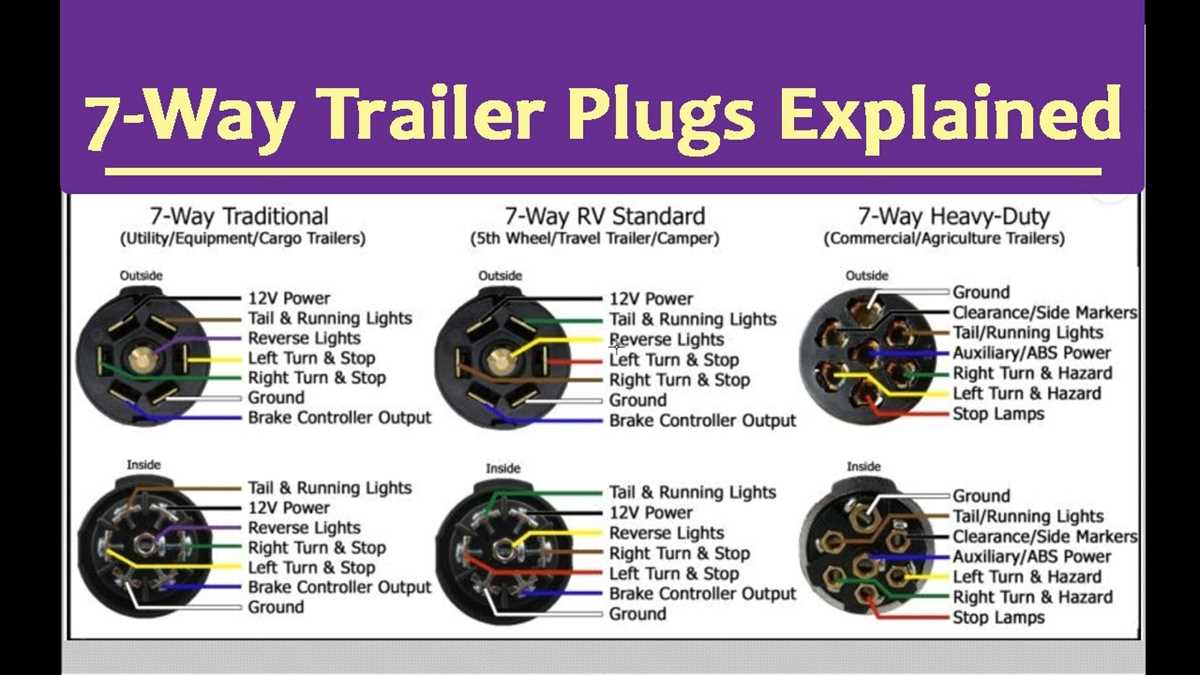
To properly set up and maintain the electrical system of large vehicles, it’s crucial to start with an accurate connection plan. Begin by identifying the key components and their corresponding connections, ensuring that each wire serves its specific purpose. Missteps in this stage can lead to malfunctioning lights, brakes, or power systems.
Each connector plays a pivotal role in ensuring smooth operation. For instance, lights need to be properly wired to the vehicle’s power source to guarantee visibility, while brake and signal systems must be linked with precise attention to safety protocols. Check for compatibility between the components and the overall layout to avoid any interruptions in function.
Regular inspections and maintenance of the system will prevent common issues such as shorts, disconnections, or even failure of crucial safety features. It’s recommended to use high-quality materials and follow the specific guidelines provided by manufacturers for optimal performance.
Semi Trailer Electrical System Setup and Troubleshooting
Begin by verifying that all components are connected properly to the vehicle’s main power source. Inspect the main connectors and ensure no loose or exposed wires. Tighten all connections, and use high-quality electrical connectors to avoid power loss or malfunction. Pay special attention to the grounding system, as an improperly grounded system can lead to erratic electrical behavior.
Next, check the lights and signaling systems. Test the brake lights, turn signals, and clearance lights to ensure they are functioning correctly. If any lights are dim or unresponsive, inspect the bulbs, sockets, and wiring for damage. Replace faulty bulbs or connectors and check for signs of corrosion in the connections.
If the electrical system is still malfunctioning, it may be necessary to test the fuses and relays. These components often protect against overloads, and a blown fuse or faulty relay could cause a complete failure of the system. Replace any blown fuses and test the relays to ensure they are operating correctly.
Lastly, check for any signs of wear or fraying in the wiring. Over time, the cables can become damaged due to wear and tear from movement, exposure to the elements, or heat. If you find any damaged sections of wire, cut and replace them immediately, ensuring that the new wires are securely insulated and properly routed to prevent further damage.
How to Properly Connect the Electrical Components on a Semi Trailer
Start by preparing the power supply for the entire system. Ensure that the primary connection point is secure and free from corrosion. Clean any contacts before proceeding with connecting additional components. This helps prevent poor connections and potential power loss.
Next, connect the lights, making sure to follow the proper color codes for each connection. Typically, the brake lights, turn signals, and marker lights have designated wiring patterns, which must be respected for proper function. Check each light as you go to ensure proper power delivery.
For the braking system, use heavy-duty cables capable of handling high currents. The wires connected to the braking lights should be well-insulated to prevent any risk of short-circuits. Ensure all connectors are tightly sealed to avoid moisture infiltration.
Inspect the electrical connectors used throughout the setup. Choose high-quality connectors that are waterproof and corrosion-resistant. When connecting them, ensure they are crimped securely to maintain a steady power flow and prevent future disconnections or shorts.
The ground connection is another critical area. Ensure that the ground wire is securely attached to a clean metal surface free from rust or paint. A solid ground connection will prevent issues with the electrical system, including faulty lights or malfunctioning signals.
Once all major components are connected, test the system by operating each individual part. Run the lights, signals, and braking system to verify that they are functioning as expected. Any malfunctioning component should be rechecked to ensure all connections are intact and properly wired.
If any issues arise, check the fuses and relays that protect the system from overcurrent situations. Replace any blown fuses and ensure that the relays are working correctly. These components are vital in preventing more severe damage to the system.
Finally, once all components are connected and functioning properly, secure all wiring along the frame to prevent wear and tear from friction or environmental factors. Use cable ties and protective wraps to keep the wiring safe and organized, ensuring long-term reliability.