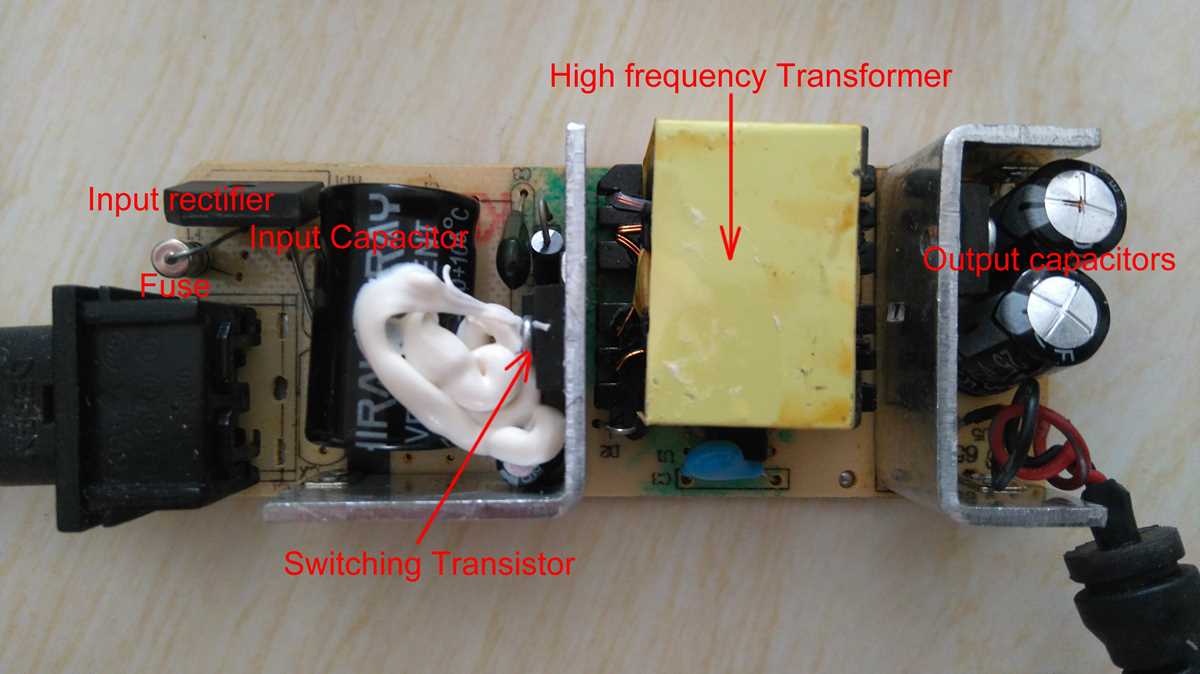
Start by understanding the key components required for creating an efficient power supply. You will need a transformer to step down the input voltage, a rectifier to convert AC to DC, and a voltage regulator to ensure a stable output. These elements are the foundation for a safe and reliable power source for portable electronics.
To design the circuit, first choose an appropriate transformer that matches the required input and output voltages. The rectifier will typically use diodes to convert the alternating current to direct current, and you can select between a full-wave or half-wave configuration based on your needs. Once the current is rectified, a voltage regulator will smooth out fluctuations to deliver the correct and steady power level.
Lastly, ensure that each component is properly sized for the expected load. Overloading any part of the system can lead to inefficiency or failure. Regularly test the setup to verify that each section is functioning correctly, and use a multimeter to monitor voltage and current levels to avoid overcharging or undercharging the connected device.
Laptop Power Supply Circuit Design Guide
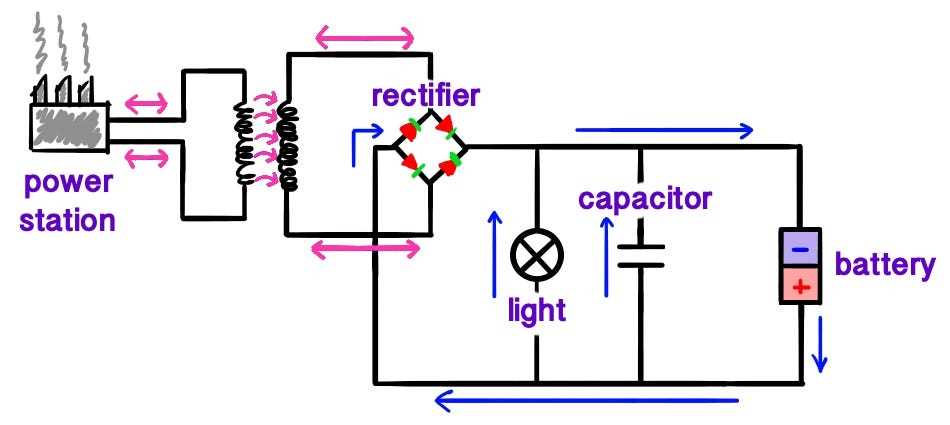
Start by selecting the correct input voltage for the transformer. Most power supplies for portable devices use a standard input range of 100-240V AC. Ensure the transformer matches the required output voltage, typically around 19V DC, depending on the device. Using a transformer with the wrong specifications can lead to inefficiency or even damage to the system.
Rectification Process
Next, use a full-wave bridge rectifier to convert the AC voltage into DC. This setup will allow current to flow through the circuit in both directions, providing a smoother and more consistent DC output. Ensure that you use diodes with appropriate current and voltage ratings for your specific application to prevent damage or overheating.
Voltage Regulation
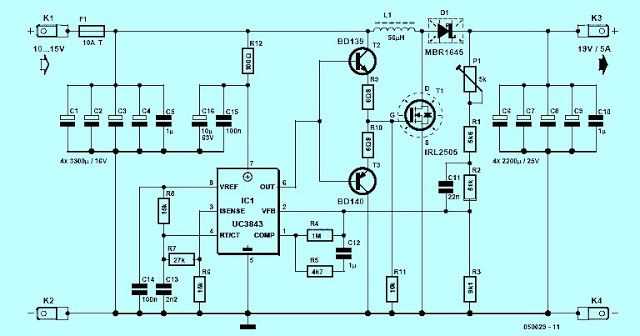
Once the current is rectified, it’s crucial to regulate the output voltage to the desired level. A voltage regulator, such as a 7805 or similar, can help maintain a stable output voltage. The regulator will adjust any fluctuations in the input to provide a consistent and safe output, ensuring that the device being powered receives the correct voltage.
Finally, always include proper safety features like fuses and heat sinks. Fuses will protect the circuit in case of overload, while heat sinks prevent components from overheating. Proper thermal management ensures the longevity and reliability of the power supply. Regularly check the system for wear or damage, especially the regulator and rectifier components, which are prone to heat stress over time.
Understanding the Key Components in a Power Supply for Portable Devices
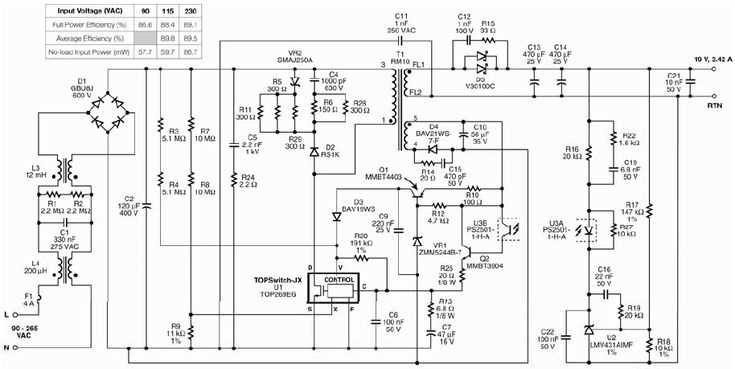
The transformer is the first crucial component in the system. It steps down the input AC voltage to a lower, usable level. Ensure that the transformer you choose matches the required input and output voltage for your device. A transformer that is not rated for the correct voltage can cause damage to both the power supply and the device being powered.
Rectifier for Converting AC to DC
The next key element is the rectifier. A bridge rectifier made up of four diodes is commonly used to convert alternating current (AC) into direct current (DC). This conversion is necessary because most electronic devices run on DC. Ensure the diodes are rated for the expected voltage and current to prevent breakdowns or short circuits.
Voltage Regulation for Consistent Output
The voltage regulator is another critical component. After rectifying the AC into DC, the voltage regulator stabilizes the output to the desired level, often 19V DC for most portable devices. It ensures that fluctuations in the input do not affect the power delivered to the device. Choose a regulator that can handle the maximum current your device requires without overheating.
Capacitors are used in the system to smooth out the output voltage. After the rectification process, the DC current may still have ripples that can affect the device. Capacitors filter out these ripples, providing a smoother output voltage. Ensure that the capacitors you use are rated for the correct voltage and have enough capacity to handle the load.
The fuse is a safety component that protects the entire system from overloads or short circuits. When a fault occurs, the fuse blows, preventing further damage to the circuit. Always use a fuse with the correct current rating to match the rest of the system’s components. A fuse that’s too high can fail to protect the system, while one that’s too low can blow under normal operation.
Heat sinks are necessary to dissipate the heat generated by components such as the voltage regulator and diodes. Overheating can lead to component failure or reduce the system’s efficiency. Install heat sinks with sufficient surface area and ensure they are properly attached to the components that generate heat for optimal performance.
Lastly, always check for proper grounding and insulation. A properly grounded system ensures safe operation and protects against electrical shocks or short circuits. Additionally, good insulation around the wires and components prevents accidental shorts and minimizes power loss.