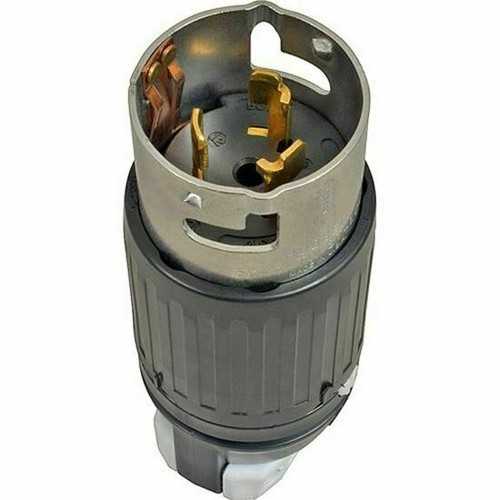
Use a heavy-duty 6-gauge copper conductor for the hot lines and a matching neutral to maintain safe current flow. Ensure the grounding conductor is continuous and securely fastened to prevent any potential electrical hazards. Incorrect conductor size can result in overheating and equipment failure.
Position the terminals according to the standard configuration: two hots, one neutral, and one ground. Consistent torque on terminal screws ensures stable connections and reduces the risk of arcing under load. Avoid mixing wire gauges; uniform thickness preserves conductivity and prevents localized overheating.
Verify that the enclosure or housing supports a firm connection without allowing strain on the wires. Strain relief clamps should be installed at the entry point to maintain integrity during repeated plugging and unplugging. Loose mounting can cause premature wear on both the conductors and the connector body.
Test continuity before energizing the circuit. Use a multimeter to confirm that each line is properly routed, and inspect for any signs of corrosion or damage. Periodic inspection of connections extends lifespan and ensures consistent performance under high-current applications.
When extending a cord, maintain the same conductor types and avoid sharp bends near the terminals. Excessive bending can weaken strands and compromise current-carrying capability. Always mark polarity clearly to prevent inadvertent misconnection, which could lead to equipment malfunction or safety hazards.
50 Amp Twist Lock Plug Wiring Diagram
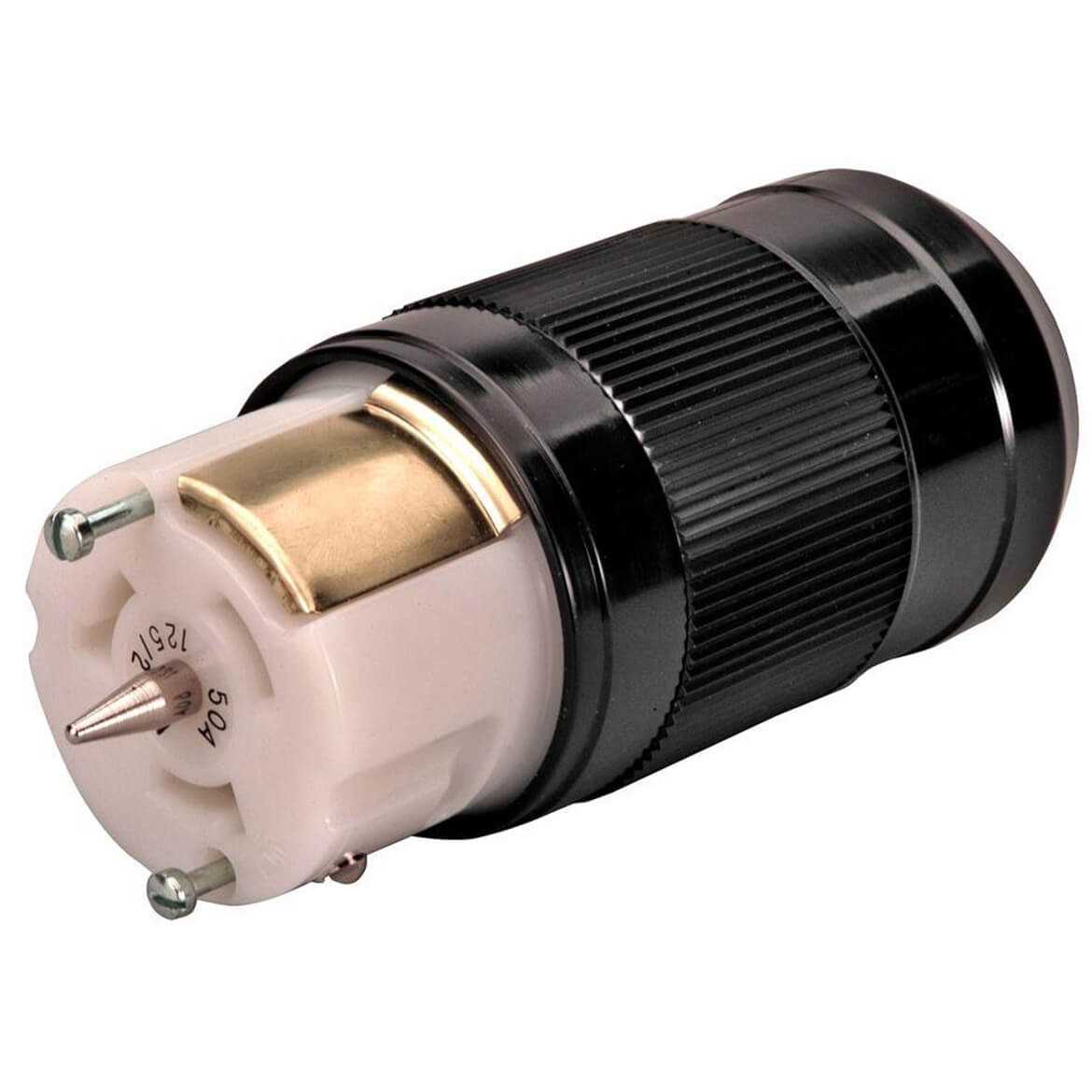
Connect the black conductor to the terminal marked for the hot line on the receptacle. Use a copper wire rated for 6 AWG to handle high current safely. Tighten screws firmly to prevent overheating during extended operation. The white conductor must attach to the neutral terminal, ensuring a continuous path for return current without interference.
Green or bare copper should anchor to the grounding screw. Verify that the terminal is free from paint or corrosion to maintain a low-resistance connection. A secure ground reduces risk of electric shock and improves system stability under load. Avoid using aluminum wire in this configuration, as it may compromise safety.
Phase Alignment
Check that the two hot terminals are oriented correctly. Reversing them can cause malfunction in equipment relying on proper phase sequence. Use a multimeter to confirm voltage between terminals; expect around 240 volts across hots and 120 volts from hot to neutral. Insulate connections with heat-shrink tubing for mechanical strength and electrical isolation.
After assembly, perform a final inspection for loose strands or exposed conductors. Ensure the connector housing closes without pinching any wire. Test under low load before full operation to confirm stable contact and absence of overheating. Regular maintenance every 6–12 months extends lifespan and prevents failures in high-demand applications.
Identifying Wire Colors and Terminal Functions for a 50 Amp Twist Lock Connector
Use green insulation for the grounding conductor and attach it to the terminal marked with a “G” or a grounding symbol. Hot conductors are typically black and red; connect black to the “X” terminal and red to the “Y” terminal. The neutral conductor is white and should attach to the terminal labeled “W.” Confirm that each wire is securely fastened under its corresponding screw to prevent overheating or loose connections.
Check terminals for any embossed letters or color-coded indicators:
- “X” – first hot line
- “Y” – second hot line
- “W” – neutral line
- “G” – ground
Before final assembly, gently tug each wire to ensure firm seating. If corrosion or discoloration appears on terminals, clean them with a fine abrasive pad. Proper identification and attachment reduce the risk of electrical faults and ensure safe performance under high-current conditions.