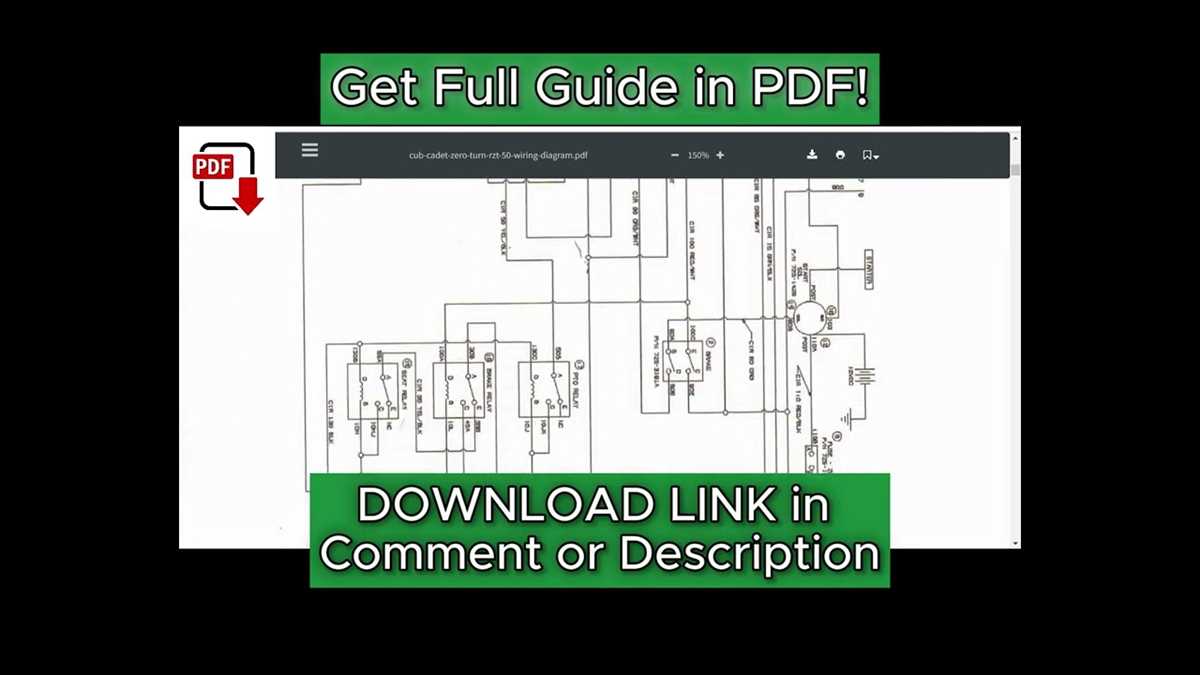
Use a clear electrical layout for the clutch engagement control before touching any connectors on a garden tractor. Power normally travels from the battery through a fuse, then through the ignition module, and only after that reaches the control button that activates the electric clutch. From this point the line continues toward the clutch coil mounted on the engine crankshaft. A reliable reference drawing prevents crossed leads and protects the clutch coil from voltage spikes.
The control button typically contains several terminals arranged in two rows. One contact receives 12-volt supply from the ignition module, another sends current toward the clutch coil, while a separate pair connects to safety interlocks such as the seat sensor and blade safety relay. If any of these links break or corrode, the blades will refuse to engage. Testing each terminal with a multimeter set to DC voltage helps confirm that power appears at the correct contact while the key is in the run position.
Most garden tractors route the clutch activation line through a relay mounted near the engine harness. This relay reduces load on the dashboard control. The typical path looks like this: battery → fuse → ignition module → dashboard control → safety relay → clutch coil → ground. Ground continuity near the engine block matters just as much as the positive lead; rust under the mounting bolt can interrupt the circuit and mimic a failed clutch.
Before reconnecting any harness plug, compare wire colors and terminal numbers with a reliable electrical layout. Yellow or orange lines often carry clutch power, while black leads usually serve as ground return. If the tractor previously had repairs, confirm that no jumper wires bypass the safety chain. A correct connection scheme keeps blade engagement predictable and protects the clutch coil from overheating.
Lawn Tractor Electric Clutch Control Circuit: Practical Guide for Installation and Troubleshooting
Connect the battery feed lead to the control terminal only after confirming voltage of 12–13.5 V at the supply line with a multimeter; lower values often indicate corroded connectors or a weak battery. The clutch activation control typically has three or four terminals: power input, output toward the electric blade clutch, ground reference, and sometimes an interlock lead linked to seat or brake sensors. Use insulated female spade connectors sized 6.3 mm and crimp them with a ratcheting crimper to prevent loose contacts that cause intermittent blade engagement.
Follow the electrical layout drawing for the mower carefully: the red conductor usually carries battery voltage from the ignition module, the yellow or orange lead routes power to the electromagnetic clutch under the deck, and the black line connects to chassis ground. If the control device has four pins, the extra terminal normally integrates safety interlocks; continuity should appear only when seat and brake sensors are closed. Testing is simple–disconnect the harness and check resistance across the clutch coil. A healthy electromagnetic unit commonly reads between 2.5 and 4.5 ohms; readings outside this range suggest coil damage or partial short.
Mount the control unit firmly in the dashboard panel using locking tabs or a threaded collar depending on model design. Loose mounting allows vibration that gradually loosens terminals and interrupts blade drive while mowing. Route conductors through existing loom channels and secure them with nylon ties every 15–20 cm so they cannot rub against the steering column or engine shroud. Where the harness passes near the engine, add heat-resistant sleeve rated above 120 °C to prevent insulation cracking.
If blades refuse to engage, inspect the safety circuit first. Seat pressure sensor, brake pedal contact, and reverse lockout often sit in series with the clutch control feed. With the ignition key on, measure voltage at the input terminal of the control device; if zero appears, trace upstream through each interlock connector. Corrosion inside plastic plugs frequently raises resistance enough to drop voltage under load. Cleaning contacts with electrical cleaner and a nylon brush restores normal current flow.
Erratic blade engagement during operation usually points to worn terminals or a failing electromagnetic clutch drawing excessive current. Measure current draw while the deck drive is active; typical consumption ranges from 3 to 5 amps. Values above 6 amps overheat connectors and melt insulation near the dashboard harness. Replace damaged connectors with high-temperature variants and verify that ground continuity between the engine block and battery negative remains below 0.2 ohm, otherwise the clutch coil cannot maintain stable magnetic force.