Position the current meter in series with the component you want to monitor to ensure precise readings. Incorrect placement can lead to inaccurate measurements and potential device damage. Always verify that the meter’s maximum current rating exceeds the expected flow in the branch.
Attach the voltage gauge across the terminals of resistors, capacitors, or power sources to obtain stable voltage readings. Avoid connecting it in series, as this can disrupt the circuit and give false values. Use insulated probes to reduce the risk of short circuits when handling live connections.
Identify the symbols and lines representing measurement tools on technical layouts carefully. Different shapes indicate whether the instrument is intended for alternating or direct current, and line connections show the proper points for insertion. Accurate interpretation prevents misreadings and protects the instruments.
Check calibration and internal resistance before taking any readings. Low-resistance current meters can alter the flow, while high-resistance voltage gauges minimize load effects. Adjust scales according to expected ranges to capture precise data without overloading the device.
How to Read Circuit Diagrams with Ammeter and Voltmeter Connections
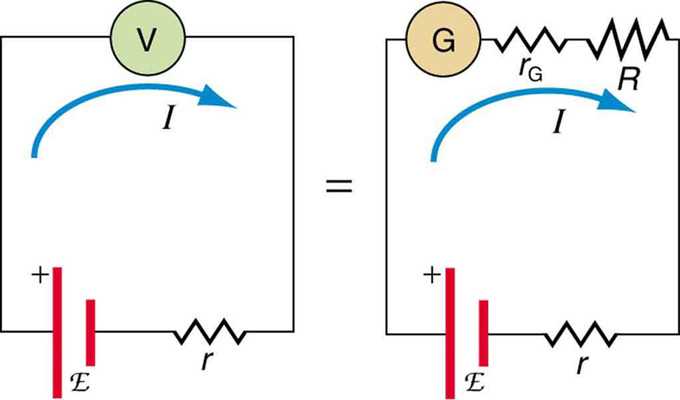
Place the current meter in the correct branch to measure electrical flow accurately. Check the device rating and ensure it can handle the expected amperage. Series insertion is required, with clear connections from the positive to negative path of the load.
Position the voltage sensor across the component terminals for stable readings. Parallel connections are mandatory to prevent measurement errors. Use insulated leads and confirm polarity, especially with polarized components like capacitors or power supplies.
Follow the symbols carefully to distinguish between measurement devices for alternating and direct currents. Recognize circles with letters or specific internal markings that indicate type. Lines connecting nodes show proper insertion points, and dashed lines may represent optional links or protective fuses.
- Verify scale settings to match expected ranges
- Check internal resistance to minimize circuit load
- Confirm calibration before testing
- Label measurement points for repeated tests
Placing an Ammeter Correctly to Measure Current in a Circuit
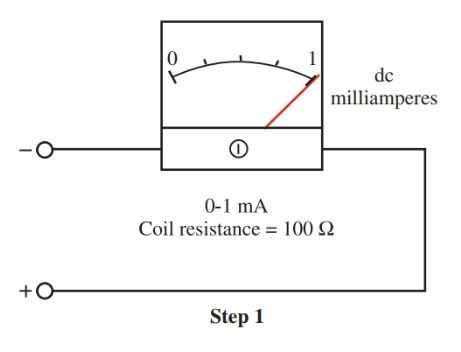
Insert the current meter directly in series with the load you want to monitor. The device must carry the full current of the branch without interruption. Incorrect placement in parallel will cause a short and can damage the instrument.
Verify the expected current range before connecting the sensor. Select a scale higher than the anticipated flow to prevent overload. Some models have multiple ranges; start with the highest and reduce gradually for precise readings.
Polarity and Lead Connections
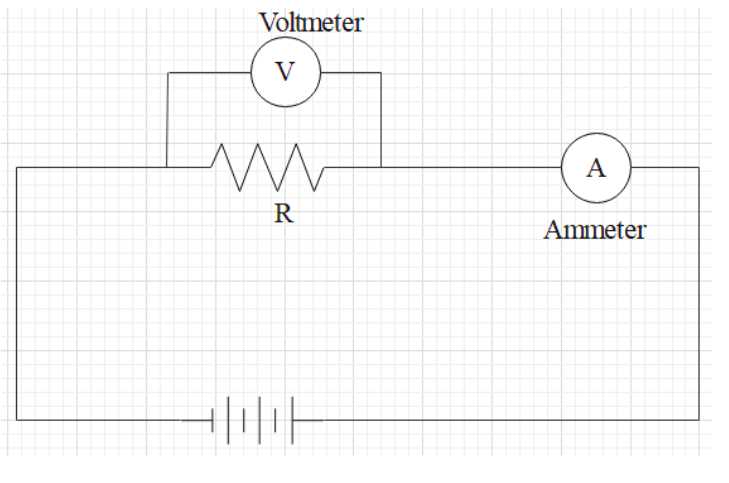
Connect the positive terminal of the meter to the incoming wire and the negative to the outgoing path of the component. Reversing polarity may result in negative readings or harm sensitive instruments. Use color-coded leads to maintain consistency.
Check internal resistance to minimize impact on the branch. Low resistance ensures minimal voltage drop, preserving normal operation of other components. High-resistance meters can alter readings and reduce accuracy, especially in low-current paths.
Safety and Calibration
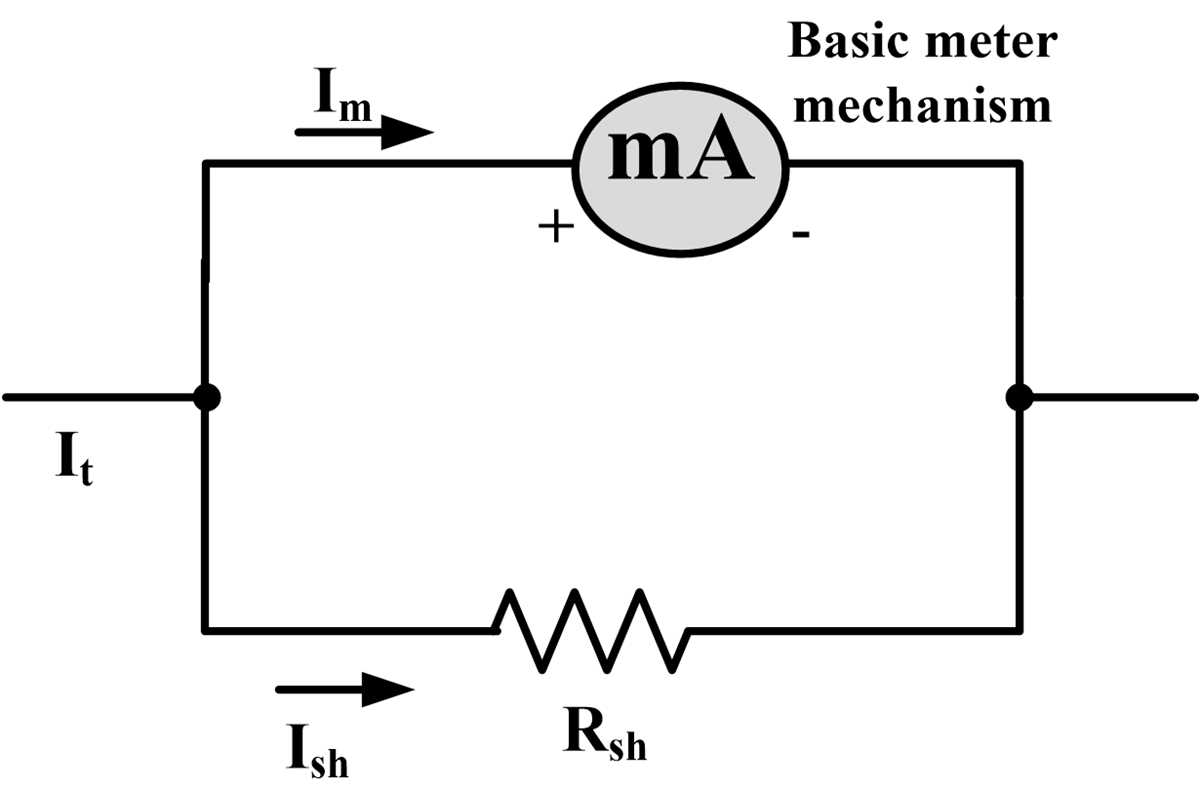
Ensure all devices are calibrated and fuse-protected before testing. Loose connections can produce sparks or erratic readings. Secure terminals and avoid touching live wires during insertion. Label measurement points for repeated checks.
Document the measured flow and note any anomalies. Compare with expected values for the load. Reposition or adjust the meter only if readings differ significantly from specifications to prevent misinterpretation of current levels.