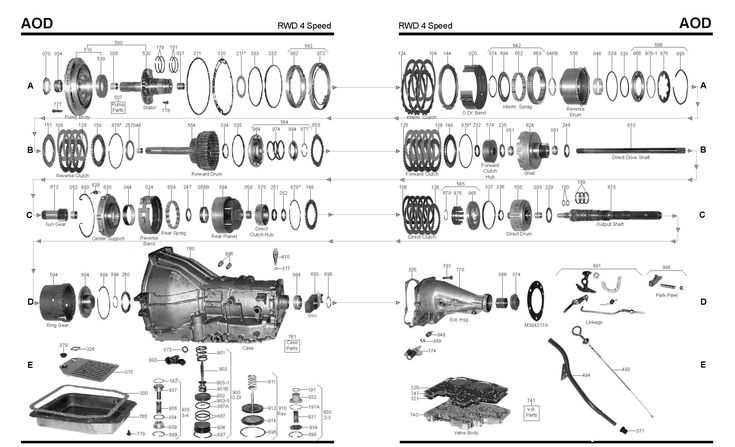
If you’re experiencing shifting issues or suspect that a component in your gearbox is malfunctioning, the first step is to identify the exact part causing the problem. Knowing which components are likely to wear out and how to recognize these signs can save time and effort when it comes to maintenance or repair.
The primary parts involved in the gearbox include clutches, gears, solenoids, and valves. Each part plays a critical role in the seamless operation of your vehicle’s shifting mechanism. If any of these parts start to fail, it can result in problems such as slipping, jerking, or even complete failure to shift properly.
Understanding how each part functions and its location within the assembly is key. If a component fails, you should know where to look and which tools to use for disassembly. Furthermore, knowing where to source high-quality replacements for these components can significantly extend the life of your vehicle.
In the next sections, we’ll cover how to identify common failures, what tools you’ll need for repair, and where to find reliable replacement components for your gearbox. This will equip you with all the knowledge required to handle any issues efficiently and avoid unnecessary costs.
Internal Components Breakdown and Function
The gearbox contains a range of parts, each designed to perform specific functions to ensure smooth shifting. These components include the input shaft, planetary gear set, clutch packs, hydraulic control valve, and the output shaft. Each plays a vital role in the overall operation of the system.
The input shaft is responsible for transferring power from the engine to the gearbox. It is connected to the engine’s flywheel and rotates when the engine is running. The planetary gear set consists of the sun gear, planet gears, and ring gear, which work together to provide the necessary gear ratios for shifting. These components are responsible for changing the vehicle’s speed and torque output.
Clutch packs control the engagement and disengagement of various gears. They are activated by hydraulic pressure, which is regulated by the valve body. If a clutch pack malfunctions, the result could be poor shifting or slipping gears. The valve body plays an important role in distributing hydraulic fluid to various parts of the gearbox, and any issues here can lead to erratic shifting behavior.
Lastly, the output shaft delivers power to the vehicle’s wheels. It connects the internal components of the gearbox to the driveshaft, ensuring that the power is transmitted to the wheels to move the vehicle. Wear on any of these parts can cause shifting issues, such as jerking, slipping, or failure to shift between gears properly.
By understanding these parts and their functions, you can more easily diagnose problems and take steps toward repair or replacement. Make sure to always use high-quality components to replace any worn or damaged parts to ensure the longevity and performance of your gearbox.
Identifying Common Issues with the 4L60E Gearbox Components
When diagnosing issues, pay close attention to the following common problems that affect key components: slipping gears, erratic shifting, overheating, and fluid leaks.
If gears slip or fail to engage properly, the issue may stem from worn-out clutch packs or a malfunctioning valve body. Check for signs of burning fluid or unusual noises during operation, as these are key indicators that the clutch packs are failing to provide sufficient grip.
Erratic shifting or failure to shift into certain gears is often caused by a clogged valve body, damaged solenoids, or low hydraulic pressure. Inspect the valve body for debris and perform a fluid pressure test to ensure proper function. Damaged solenoids can prevent proper gear selection and cause shifting delays or harsh transitions between gears.
Overheating is another common problem, usually caused by low fluid levels, a faulty cooler, or a blocked fluid passage. Consistently check the fluid level and look for signs of fluid contamination, which can lead to overheating and internal damage to the gearbox. Replacing or cleaning the cooler and ensuring proper fluid flow is critical for maintaining temperature regulation.
Fluid leaks often occur around seals and gaskets. Inspect the input shaft seal, output shaft seal, and pan gasket for signs of leakage. If the seals are compromised, fluid can escape, leading to a drop in fluid levels and causing further damage. Replacing worn seals and gaskets should restore proper operation and prevent further issues.
By closely monitoring these components and addressing common failures early, you can avoid more costly repairs and extend the lifespan of the gearbox. Always perform regular maintenance and use high-quality fluids and parts to minimize the risk of damage.
How to Properly Replace or Repair 4L60E Gearbox Components
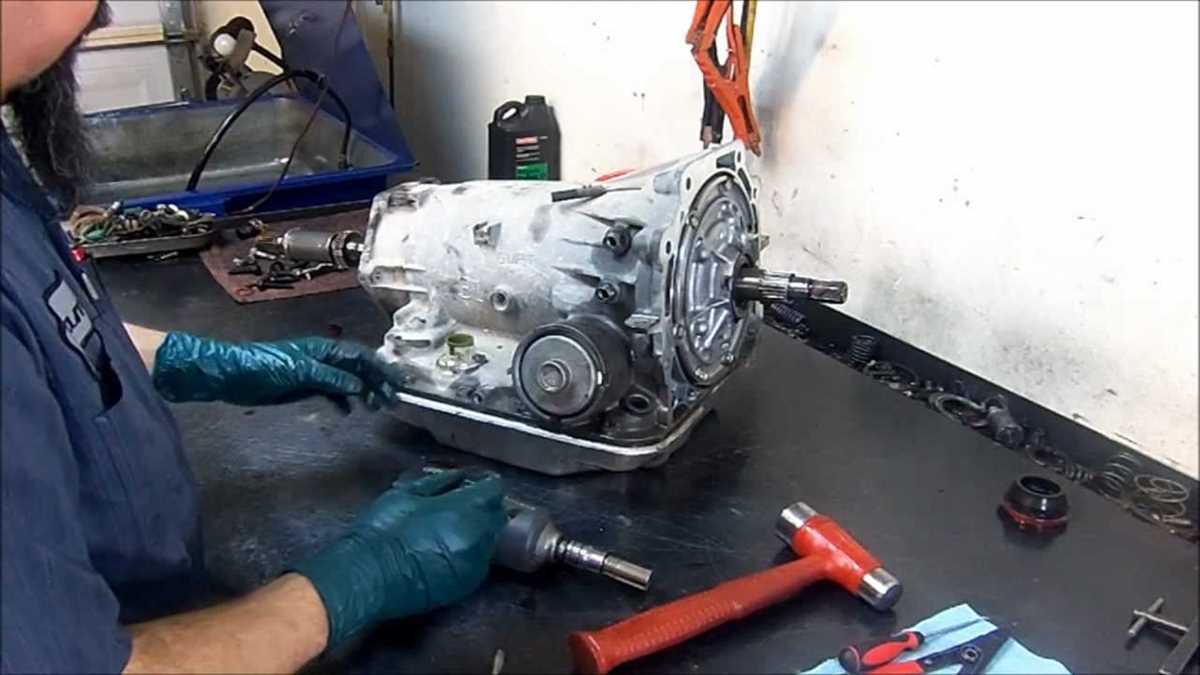
Start by diagnosing the issue and gathering the necessary tools, including a socket set, torque wrench, and replacement components. Make sure the vehicle is securely lifted, and disconnect the battery before starting work to avoid any electrical issues.
If you’re replacing a clutch pack, begin by draining the fluid and removing the pan. After the pan is removed, detach the valve body and inspect the components. Remove any damaged or worn-out clutch discs and replace them with new ones. Ensure that the new parts fit properly before reassembling the gearbox, and use a high-quality fluid to refill the system.
For valve body repairs, check for any blockages or debris that may prevent proper fluid flow. If the valve body is damaged, it’s better to replace it entirely rather than attempt a repair. Replacing solenoids may also be necessary if the gearbox is experiencing erratic shifting or failure to change gears. Make sure to test the solenoids for continuity before installation.
When replacing seals or gaskets, it’s crucial to thoroughly clean the mating surfaces before installing the new parts. Any leftover debris can lead to leaks. Replace seals around the input and output shafts, as well as the pan gasket. Torque all bolts to the manufacturer’s specified settings to avoid damage to the seals or the gearbox housing.
If overheating is an issue, inspect the cooler and fluid passages for blockages. Clean or replace the cooler if needed. Make sure the fluid level is adequate, and check for signs of contamination or discoloration. Fresh fluid is critical for maintaining proper function and temperature control.
After replacing the faulty components, reassemble the gearbox carefully, making sure each part is seated properly. Once reassembled, refill the gearbox with fresh fluid and test the system under normal operating conditions. Check for leaks and ensure that the gearbox shifts smoothly and operates without issues. Always conduct a thorough test drive to confirm proper function.