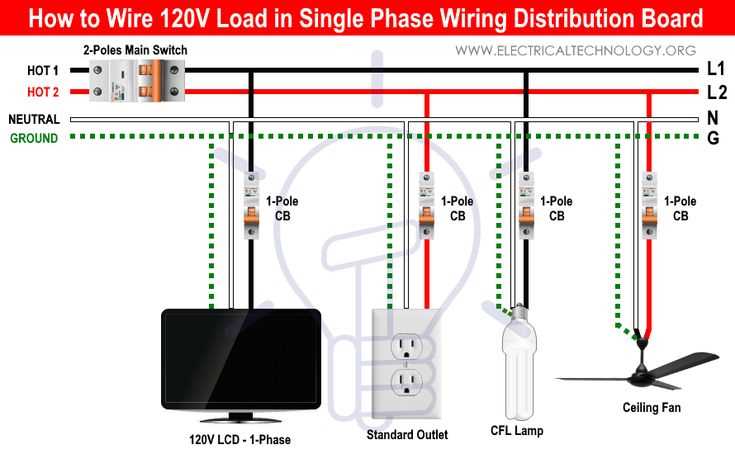
Install a double-pole switch rated for 30A or higher when handling household appliances that require separate line feeds. Using a protective device with proper amperage prevents overheating and accidental tripping during simultaneous loads.
Separate live and neutral conductors in distinct channels to reduce interference and maintain clear identification. Ensure ground wires are securely clamped to metal enclosures to avoid stray currents that could damage equipment or create shock hazards.
Verify all connections with a multimeter before restoring power. Checking continuity and correct polarity ensures that the circuit operates safely under load and prevents motor rotation errors, flickering lights, or short circuits.
220 Volt Breaker Connection Guide
Install a double-pole protective switch rated for the total load of connected appliances. For motors or heavy-duty equipment, select a 30A or higher unit to prevent overheating and nuisance tripping.
Follow clear phase separation by routing each line through individual terminals and ensuring the neutral is isolated. Keep a minimum spacing of 10 cm from other circuits to reduce electromagnetic interference.
Step by Step Connection Process
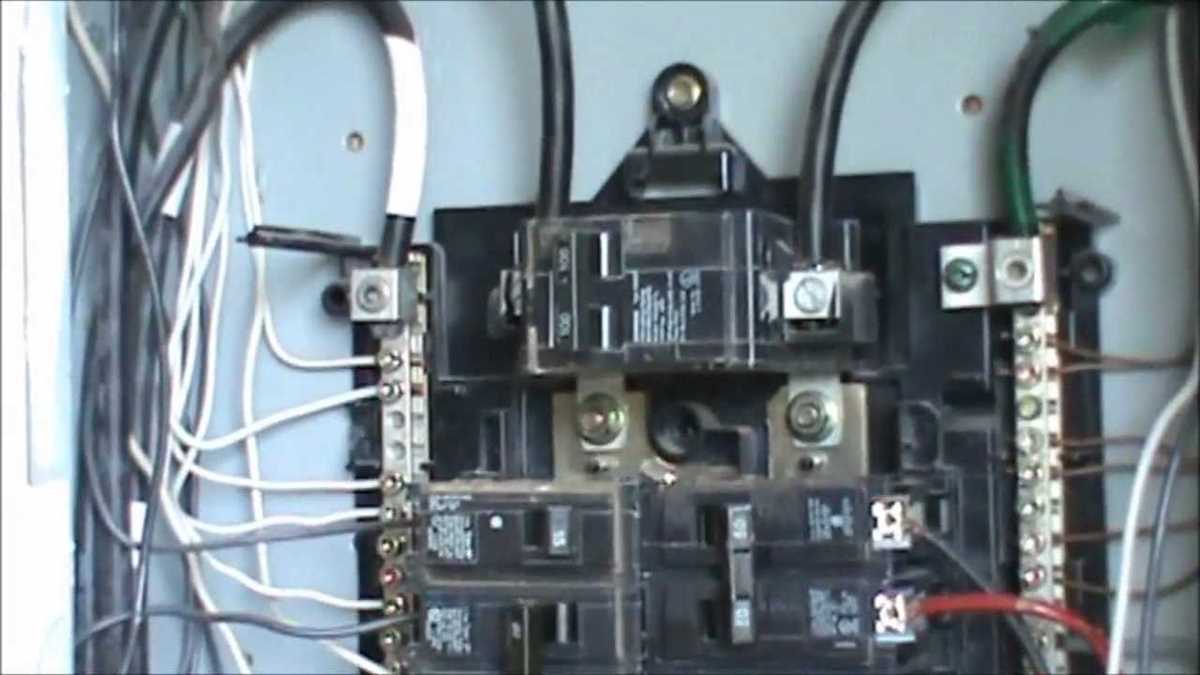
- Turn off the main supply and confirm zero voltage using a multimeter.
- Connect the two live wires to separate terminals on the protective device.
- Attach the neutral conductor to the designated neutral busbar.
- Secure the ground wire to the enclosure or grounding busbar.
- Tighten all screws to manufacturer torque specifications and check for loose connections.
Test under load conditions by switching on the connected appliances sequentially. Observe voltage stability, terminal temperature, and ensure no tripping occurs. Label each line clearly for future maintenance and safety inspections.
Selecting the Right Breaker and Fuse Rating
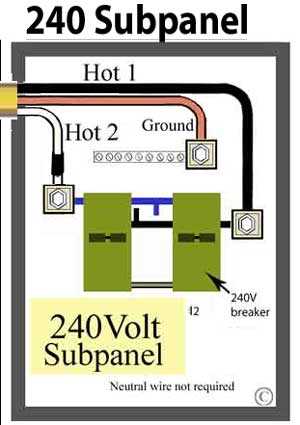
Choose a protective device rated slightly above the total expected load. For a set of motors totaling 20A, a 25A unit allows safe startup current without triggering trips. Avoid undersized ratings that can lead to overheating or nuisance trips.
Consider the type of load when selecting the trip curve. Use type B for resistive loads such as heaters or incandescent bulbs, and type C for inductive loads like compressors or large motors to prevent false tripping during inrush currents.
Verify manufacturer specifications for maximum voltage and interrupting capacity. A unit rated for 240V and 6000A interrupting capacity ensures it can safely handle short circuits without damage.
For circuits with multiple appliances, calculate combined peak current. Summing individual maximum currents and adding a 25% margin helps select a device that can handle simultaneous operation safely.
Fuse selection must match protective device characteristics. Slow-blow fuses accommodate temporary surges without opening, while fast-acting fuses protect sensitive electronics from instantaneous spikes.
Label each protective device clearly with load type, amperage, and installation date. Proper labeling simplifies inspections, replacements, and reduces the risk of mismatched ratings during maintenance.