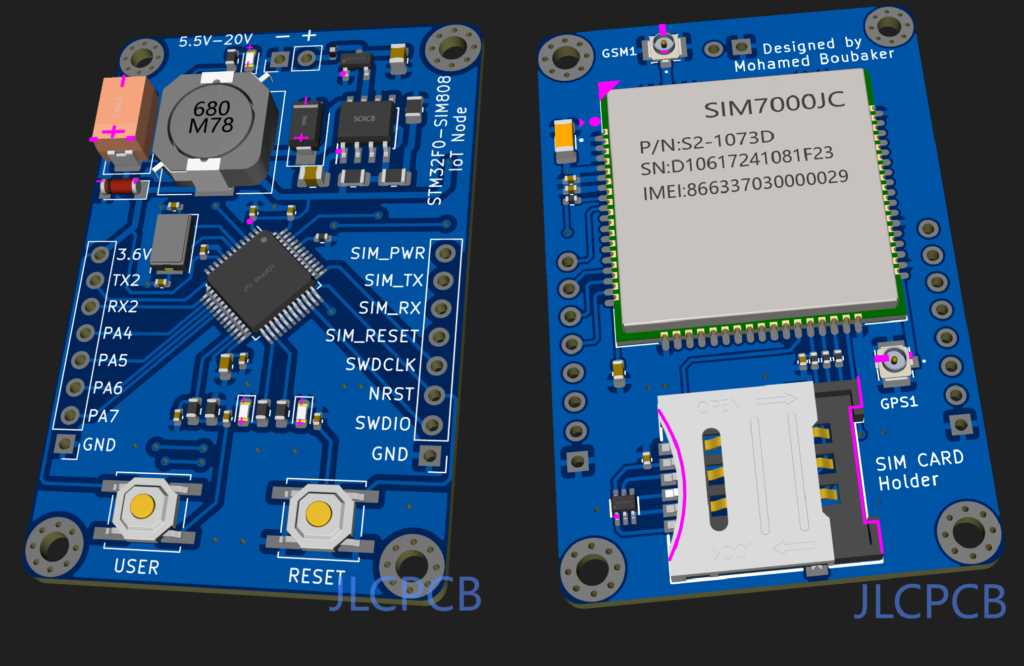
Connect the positive lead directly to a regulated 12-volt supply and secure it with automotive-grade terminals. Ensure the fuse is rated between 5 and 10 amps to prevent overloads during signal bursts or sudden voltage spikes.
Identify all signal conductors by testing continuity with a multimeter before linking to the module. Separate each input for braking, ignition, and location transmission to avoid cross-interference that can produce inaccurate readings.
Establish a firm ground by attaching the negative wire to a clean metal surface on the chassis. Remove paint or rust at the contact point to minimize resistance and prevent flickering during high-current operations.
Route all lines away from heat sources and moving parts to prevent insulation damage. Use heat-shrink tubing or protective conduit on soldered joints to guard against moisture and vibration.
Test each function under operational conditions to confirm stable power and precise signal transmission. Check for voltage drops during braking or acceleration to ensure continuous monitoring without errors.
GPS Tracking Device Circuit Diagram
Connect the positive lead directly to a regulated 12-volt supply and secure it with automotive-grade crimp terminals. Install a 5–10 amp inline fuse close to the power source to prevent damage from voltage spikes during signal bursts.
Signal Line Configuration
Separate each control input for location reporting, ignition, and alerts. Use a multimeter to verify continuity before connecting to the main module to avoid false readings. Label each wire to prevent confusion during future maintenance.
Grounding and Safety
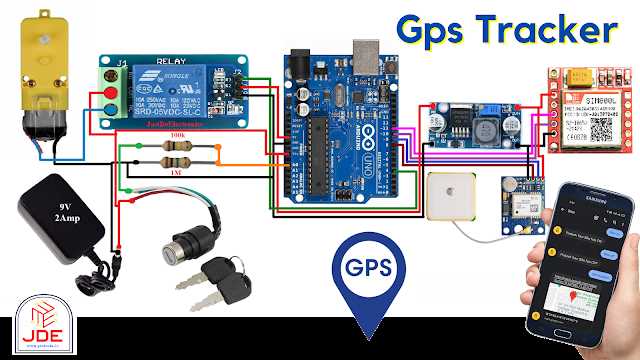
Attach the negative lead to a bare metal chassis point, ensuring no paint or corrosion at the contact. Route all conductors away from heat sources and moving parts, and protect soldered joints with heat-shrink tubing to reduce the risk of short circuits or intermittent operation.
Power Source Connections for Stable Operation
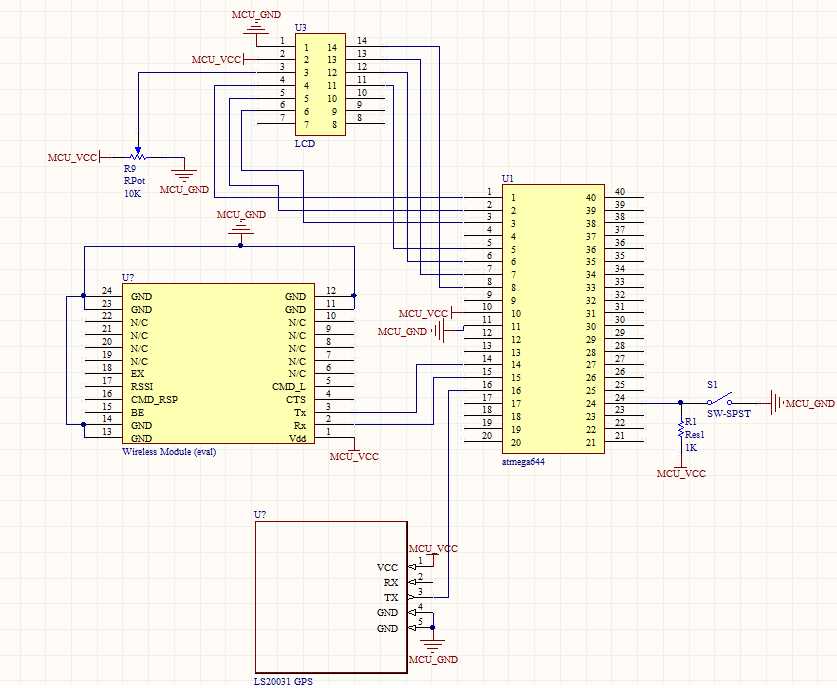
Connect the positive feed directly to a regulated 12-volt supply and include an inline fuse rated 5–10 amps near the source.
- Use automotive-grade crimp terminals or solder joints.
- Check voltage under load to confirm steady supply.
- Secure the line away from moving parts and heat sources.
For negative connections, attach the conductor to a bare metal chassis point.
- Remove paint and rust to reduce resistance.
- Test continuity between the module and ground to prevent flickering.
- Protect exposed joints with heat-shrink tubing to guard against moisture and vibration.