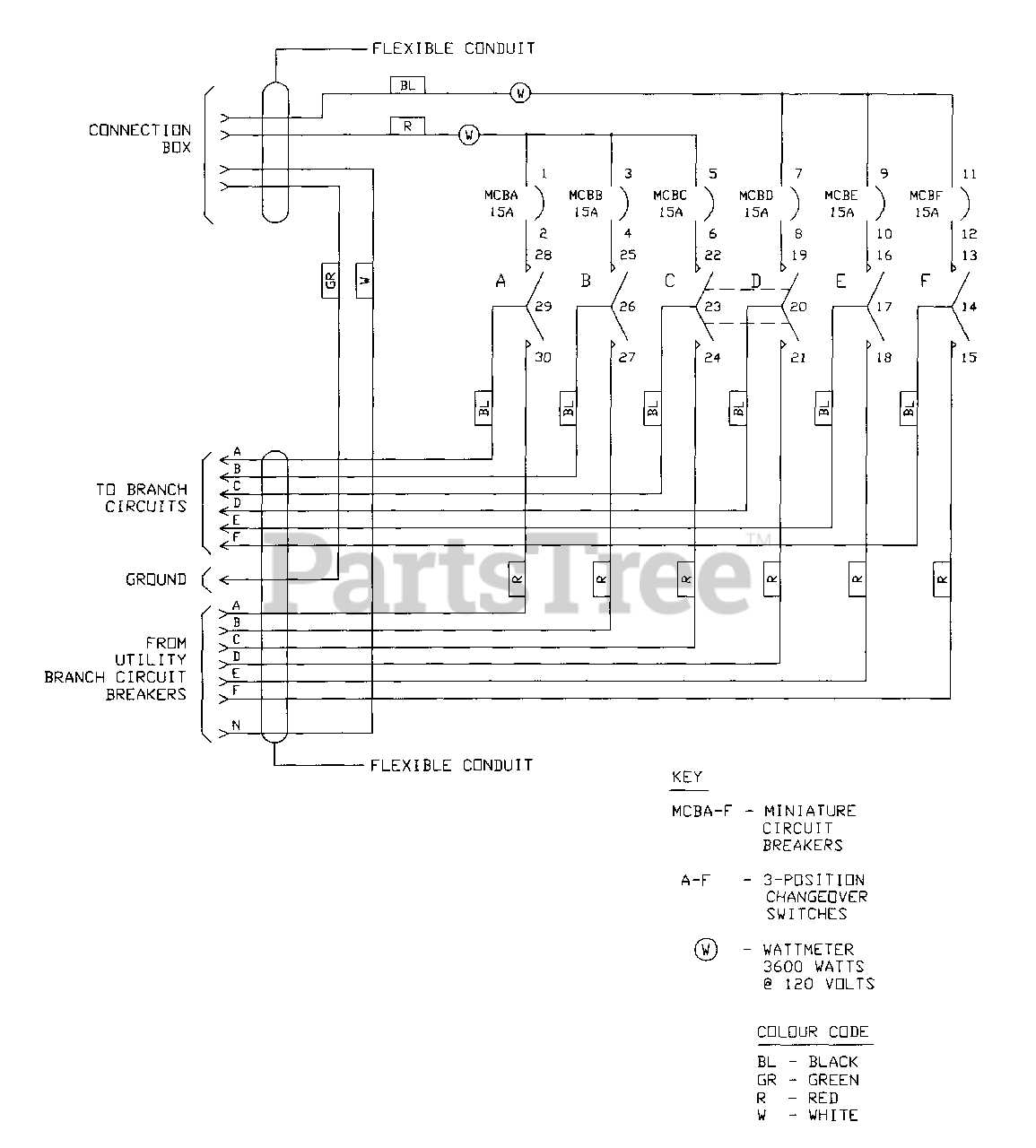
Always isolate the main supply before connecting any generator lines to prevent electrical hazards. Use a voltage tester to confirm the absence of live current on all terminals.
Secure all cables with properly rated lugs and tighten terminals to 15–20 in-lb torque. Loose connections can cause arcing and damage sensitive components.
Label each conductor according to source and load identification. This reduces confusion during maintenance and ensures that auxiliary power is routed correctly without overloading circuits.
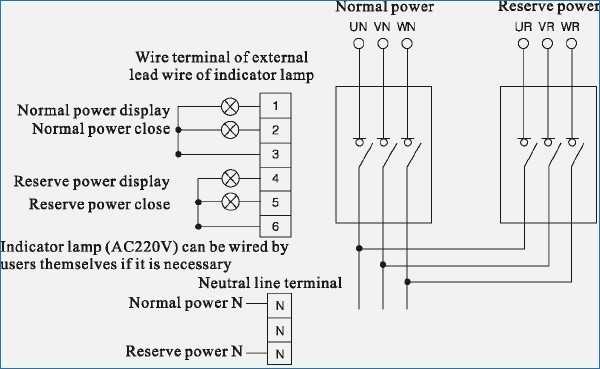
Install indicator lights on both incoming and outgoing lines to monitor active power sources. Choose LED indicators with a current rating of 20 mA and 5–12 V operation for reliable visual feedback.
Use fuses or circuit breakers rated 1.5 times the maximum expected load on both generator and utility inputs. This protects the system from short circuits and sudden surges, extending component life.
Connection Guide for Backup Power Systems
Always shut off the main breaker before connecting auxiliary power to prevent accidental energizing. Verify zero voltage with a multimeter on all terminals before proceeding.
Use heavy-duty copper conductors rated for the total load of the circuits involved. For a 30 A residential line, select 10 AWG wires, and for 60 A, use 6 AWG cables.
Label each line clearly with color-coded tags or heat-shrink labels to distinguish between utility and generator sources. This prevents accidental cross-connection and simplifies troubleshooting.
Install an NEMA-rated enclosure to house the relay assembly. Ensure the box is mounted at least 1 meter above floor level and away from moisture to protect components from environmental damage.
- Connect generator output to the relay terminals using crimped lugs and torque them to manufacturer specifications, usually 15–20 in-lb.
- Attach utility lines to the opposite terminals following the same secure connection standards.
- Include inline fuses rated 1.5 times the peak load for both sources to safeguard against short circuits.
Run a 5–12 V DC control line from the relay coil to an indicator panel. Use a 220 Ω resistor in series with LEDs to monitor active source status without overloading the control line.
Install a debounce capacitor of 0.1 µF across control terminals to prevent rapid switching or flicker during momentary load fluctuations. This stabilizes relay engagement and reduces wear.
Test the setup by first energizing the utility input and then the generator line, observing indicator lights for correct source selection. Repeat multiple times to confirm safe operation under load conditions.
Connecting Main Power Lines to the Backup Control Panel
Always disconnect the main breaker and verify zero voltage with a digital multimeter before attaching any incoming utility lines. Connect hot, neutral, and ground conductors directly to the designated terminals inside the control panel, using copper lugs rated for the amperage of your system.
Securing Conductors
Use a torque wrench to tighten all terminal screws to 15–20 in-lb to prevent loose connections that can cause arcing. Route cables neatly along the panel edges and secure with cable clamps to reduce stress and vibration, which can degrade contact points over time.
Testing and Verification
After connections are complete, temporarily energize the system with the main line only. Check that indicator lights illuminate correctly and that no overheating occurs at any terminal. Repeat testing under load conditions to ensure stable and safe operation before final enclosure closure.