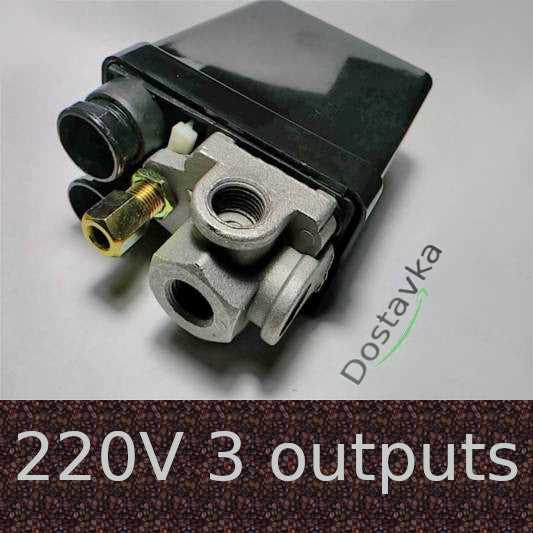
To properly install a 220V electrical system for your equipment, start by ensuring you have the correct components for the setup. Begin with a properly rated power source and ensure you have the necessary wiring to handle the load. Make sure the power input matches the required specifications for the equipment you’re connecting.
Ensure you select the correct size breaker and fuse to protect the system. A dedicated circuit is essential for reliable performance. For wiring, use appropriately sized cables to avoid voltage drops and overheating. Pay attention to the grounding of the system to reduce electrical interference and increase safety.
Follow step-by-step instructions when making the connections. The live wire, neutral, and ground must be connected securely to their corresponding terminals. Make sure all connections are tight and insulated properly to prevent shorts or sparks. Test the system with a multimeter before turning on the power to ensure everything is functioning correctly.
Single Phase 220 Volt Air Compressor Wiring Guide
To wire a 220V system for your equipment, the first step is to ensure that your power source meets the necessary voltage and current requirements. It’s important to confirm that the electrical panel has a dedicated breaker that corresponds to the equipment’s amperage needs. A common size for these types of setups is a 20-30 amp breaker, depending on the motor size.
The next step is selecting the correct gauge wire. A 10 AWG wire is typically sufficient for most home compressor setups. However, for larger units, you may need a 8 AWG wire. Always check the manufacturer’s recommendations for wire gauge and ensure you use copper wire for better conductivity and durability.
When making connections, you must connect the live, neutral, and ground wires correctly. The live wire should be attached to the terminal marked with “L” or “HOT,” the neutral wire to the terminal marked “N,” and the ground wire to the “GROUND” terminal. Ensure that the wiring is properly insulated and connected tightly to avoid any risk of short-circuits or loose connections.
Grounding and Safety
Grounding is crucial for preventing electrical shocks. Make sure the equipment is properly grounded by connecting the ground wire to an earth grounding point or a grounding bus bar in the electrical panel. This will provide a safe pathway for electrical surges and reduce the risk of electrical hazards.
After completing all the connections, use a multimeter to verify that there is continuity and no short circuits. Test each connection individually to ensure there is proper current flow. Once everything checks out, turn on the power and monitor the equipment’s performance. If there are any issues, double-check your connections and troubleshoot accordingly.
Understanding the Components for Wiring a 220V Air Compressor
Before starting the setup, ensure you have the proper components: a reliable power supply, a circuit breaker that matches the equipment’s amperage rating, and an appropriate switch for controlling the machine. A 20-30 amp circuit breaker is typically suitable for most systems, but always verify the manufacturer’s requirements for your specific model. The switch should be rated to handle the same load as the breaker.
The motor plays a crucial role in the operation of the equipment. It must be connected to the power supply with the correct wire gauge to handle the amperage. For most applications, using a 10 AWG wire for standard setups is common, but larger motors might require a 8 AWG wire. Ensure the wiring is properly insulated to prevent any risk of short-circuits or fire hazards.
Grounding is a key safety consideration. Always ensure the equipment is grounded properly by connecting the ground wire to an earth grounding point. This helps prevent electrical shocks and protects the equipment from power surges. Verify all connections before powering on the unit to ensure safety and correct operation.