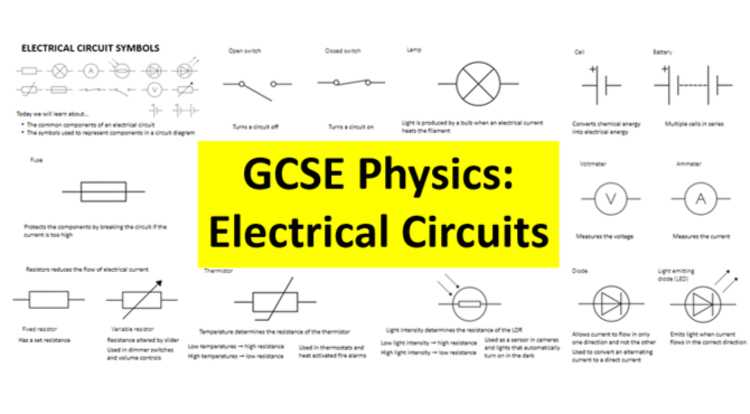
Start by memorizing the shapes representing resistors, capacitors, and inductors, as these components control current and voltage flow in any electrical layout. Resistors are usually drawn as zigzag lines, capacitors as parallel plates, and inductors as coiled loops.
Identify power supplies and switching elements accurately to predict how energy moves through the setup. Battery cells are shown as pairs of short and long lines, while switches appear as breaks in a line that can close or open the connection. Recognizing these allows precise planning of voltage and current paths.
Pay attention to measuring instruments and signal routes to monitor system behavior. Meters for current and voltage have distinct circles with letters like A for ammeter and V for voltmeter, while signal lines are drawn as straight or curved connectors between components. Correct interpretation ensures reliable testing and troubleshooting.
Electronic Schematic Component Identification
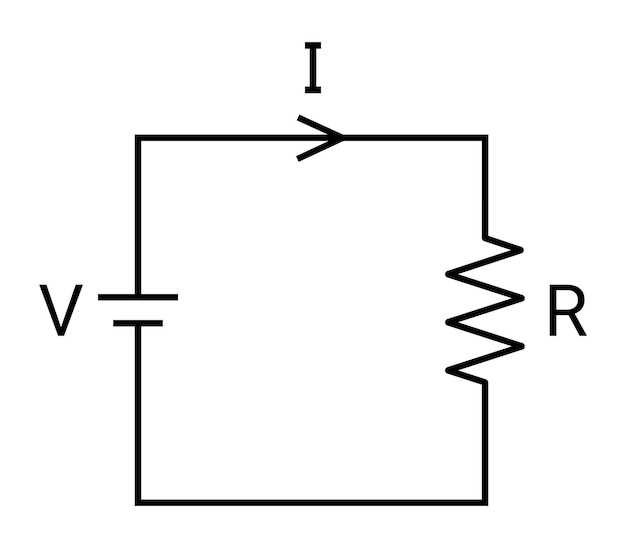
Focus on memorizing common shapes for controlling current and voltage within layouts. Resistors are drawn as jagged lines, capacitors as parallel plates, and inductors as loops or coils. Accurate recognition ensures correct placement during assembly.
Mark power sources clearly to trace energy flow. Cells use alternating long and short lines while power rails often have labeled horizontal lines. Labeling these helps prevent misconnection and voltage errors.
Switches and relays dictate when paths are open or closed. Single-pole switches are simple breaks in a line, while relays combine coils and contacts.
- SPST switches allow one path control
- DPDT switches control two separate paths
Proper understanding prevents short circuits.
Measuring tools must be positioned correctly. Meters are represented as circles with letters: A for ammeter, V for voltmeter, Ω for ohmmeter. Connect in series or parallel according to the reading type to avoid damage.
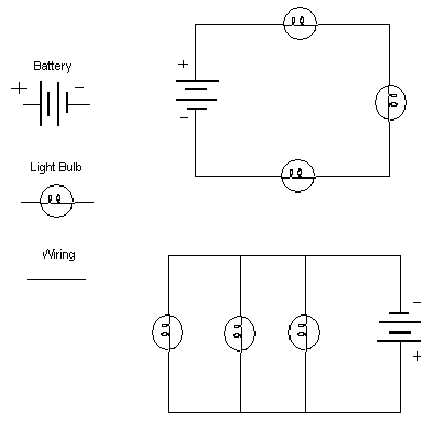
Identify connection points and signal flow using straight or curved lines linking components. Junction dots indicate connections, while crossing lines without dots mean no contact. Tracking these paths helps diagnose errors and verify performance.
Include passive and active components such as diodes, LEDs, and transistors for advanced layouts.
- Diodes have arrows showing conventional current direction
- LEDs include small triangles and lines for light emission
- Transistors show emitter, base, and collector with clear orientation
Correct identification ensures functional and safe electronic setups.
Identifying Resistors Capacitors and Inductors in Schematics
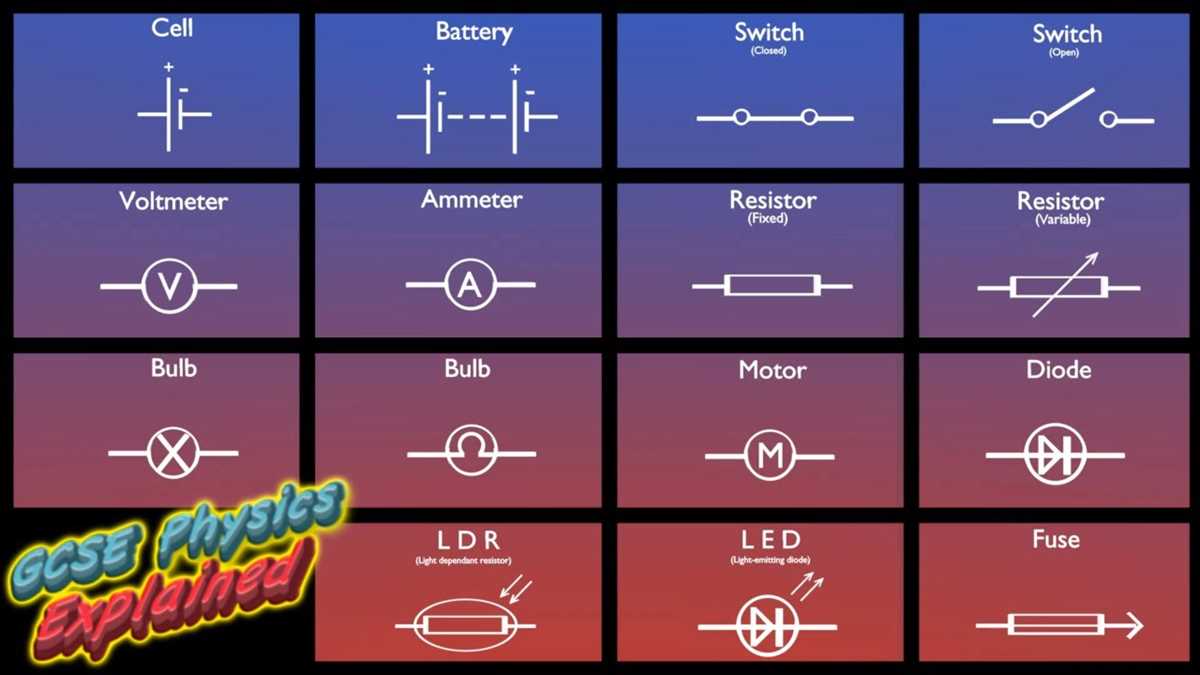
Start by recognizing resistors through their distinctive zigzag lines or rectangular blocks. Their value is often printed nearby in ohms, kiloohms, or megohms, which allows precise calculation of current limits in the layout.
Color bands on physical components correspond to numerical codes, so matching the band sequence to the schematic values helps confirm correct placement. Resistors with tolerance ratings like ±1% or ±5% affect voltage stability in sensitive paths.
Capacitors are depicted as two parallel lines with a gap between them. Non-polarized types are symmetrical, while polarized units like electrolytics have one line marked with a plus sign. Correct orientation is critical to prevent damage from reverse voltage.
Check capacitor values printed in microfarads (μF), nanofarads (nF), or picofarads (pF). Small adjustments in capacitance can change timing or filtering in the layout, so matching the schematic specification ensures intended operation.
Inductors and Coils
Inductors appear as loops or series of curved lines representing coiled wire. Their values in henries (H), millihenries (mH), or microhenries (μH) determine energy storage and impedance in alternating current paths.
Identify ferrite cores or air cores by additional symbols or annotations. Ferrite cores increase inductance for a given number of turns, affecting resonance and filtering. Misidentifying these can result in signal distortion or inefficient energy transfer.
Combine knowledge of resistors, capacitors, and inductors to trace functional blocks like filters, oscillators, and voltage regulators. Observing the interaction between these components visually in layouts helps anticipate voltage drops, phase shifts, and transient responses.
Mark each component on the plan as you verify values and orientation. Using a checklist for resistors, capacitors, and inductors reduces assembly errors, prevents damage, and ensures the electrical design performs as intended.