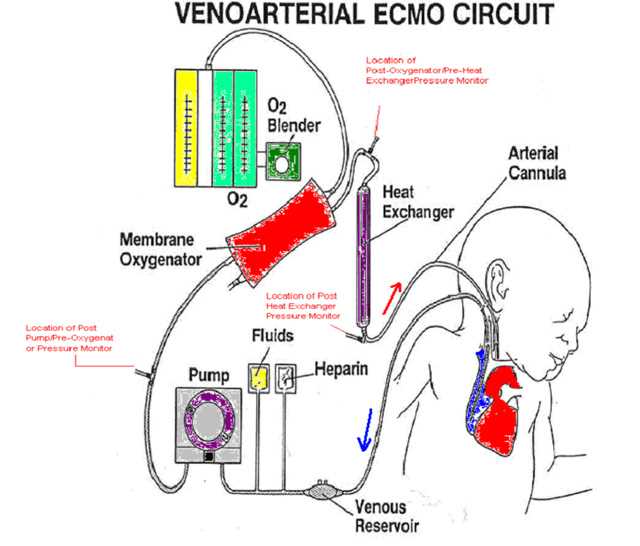
To successfully implement a life-saving procedure such as extracorporeal life support, understanding the setup of key components in the system is critical. Proper connections between the pump, oxygenator, and tubing ensure that blood is effectively oxygenated and circulated. Verify that all connections are securely made and the equipment is calibrated correctly to avoid complications during operation.
Each component in the setup plays a specific role. The pump, for instance, moves blood through the system, while the oxygenator adds oxygen and removes carbon dioxide. Properly managing these components, as well as the heat exchanger and filters, is vital to maintain patient stability during the procedure. Additionally, using a correctly sized blood oxygenator can help optimize gas exchange, which is central to a successful operation.
When setting up, be sure to follow step-by-step guidelines for positioning each part of the equipment. If you’re uncertain about the exact connections or have to troubleshoot a potential issue, referencing a detailed schematic can make the process more straightforward. This visual reference is an invaluable tool for diagnosing problems or ensuring a proper setup before commencing treatment.
Ecmo Circuit Setup
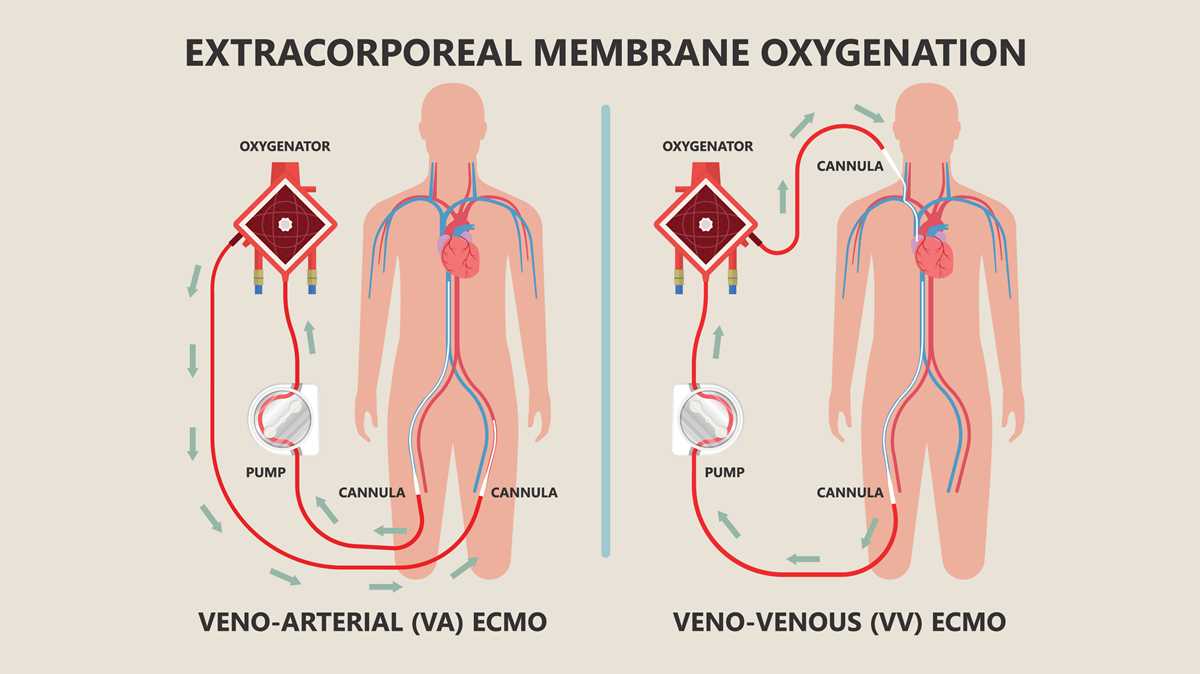
To set up the system properly, begin by ensuring all components are correctly sized and matched. The pump should be able to handle the required flow rate, while the oxygenator must meet the oxygenation demands of the patient. Make sure the tubing is securely connected and there are no kinks or blockages that could disrupt the blood flow. Use clamps to maintain proper pressure levels throughout the system.
The tubing connections between the pump, oxygenator, and heat exchanger must be clearly identified. The arterial and venous lines need to be distinguished and correctly routed to prevent mixing of oxygenated and deoxygenated blood. Labeling each line ensures quick identification in case adjustments are needed during the procedure.
During setup, check the connections at the oxygenator and ensure that the gas supply is connected. The oxygen flow should be calibrated to match the patient’s oxygenation needs. Adjusting the gas mixture may be necessary depending on the condition of the patient. Oxygen delivery and carbon dioxide removal are critical factors in the success of this life-support system.
Finally, verify the pressure monitors and alarms are functioning. These devices are critical in alerting you to any malfunctions or abnormalities. Ensure that the system is leak-tested and all seals are tight before initiating the process. This step is crucial to avoid any air or blood leakage, which can lead to dangerous complications during the procedure.
Key Components and Their Functions in an ECMO System
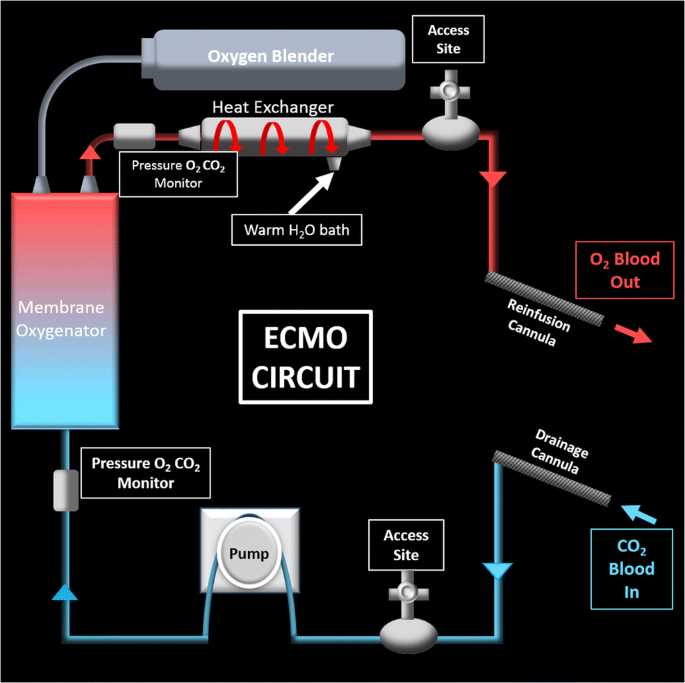
The main components of this life-support system include the pump, oxygenator, heat exchanger, and various sensors. The pump circulates blood through the system, providing necessary flow rates to support the patient’s circulatory needs. The oxygenator serves to oxygenate the blood and remove carbon dioxide, simulating lung function. It is crucial that these components work in tandem to ensure continuous oxygenation and blood circulation for the patient.
In addition, the heat exchanger regulates blood temperature, preventing hypothermia or hyperthermia. Pressure monitors and alarms are critical to ensure that the system remains within safe operating parameters, detecting any pressure drops or blockages that could harm the patient. The tubing and connectors facilitate the flow of blood and gases throughout the system, and each part must be carefully checked for leaks or wear before use.