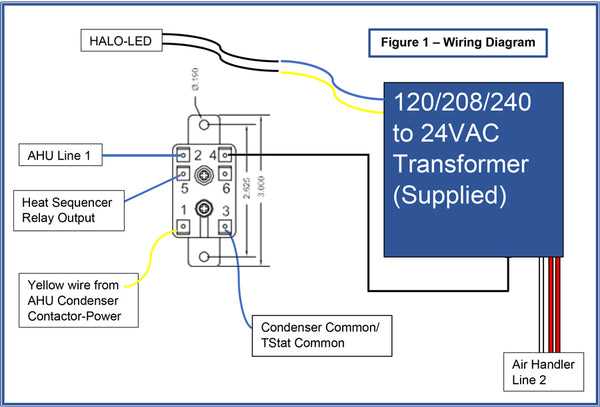
Attach the hot conductor directly to the motor input and a separate lead to the bulb assembly to enable independent control. Standard color coding applies: black or red for live, white for neutral, and green or bare copper for grounding. Verify labels before making connections.
Confirm the supply voltage matches the unit’s rating. Most household systems operate at 120V AC, but some installations may require 220–240V. Mismatched voltage can damage the motor or the lamp components.
Use a secure junction box and wire connectors rated for the correct gauge to prevent overheating and loose contacts. Ensure all metallic parts are bonded to the ground conductor to protect against electrical shock.
Test each function individually before final assembly. Switch on the illumination first, then activate the rotating mechanism, listening for unusual noises or flickering. Correct any issues immediately to maintain long-term performance.
Fixture Electrical Connection Guide
Identify each conductor clearly before attaching to terminals. Typically, black or red indicates live current, white serves as neutral, and green or bare copper is for grounding. Labeling wires prevents accidental cross-connections.
Secure the metallic bracket to the ceiling box and attach the ground wire to the screw or bonding point. This step ensures the unit is safely earthed and reduces the risk of electrical shock during operation.
Connect live and neutral leads separately for motor and illumination components. Use wire connectors rated for the correct gauge and twist connections tightly to prevent loose contacts that could cause sparking.
Verify continuity and voltage using a multimeter before final assembly. Check each lead individually to confirm there are no breaks or shorts, ensuring reliable performance of both rotation and lamp functions.
After securing all wires inside the canopy, mount the fixture carefully and tighten screws. Test each function by powering the unit, observing for flickering, unusual sounds, or overheating, and make adjustments as needed.
Identifying Hot Neutral and Ground Conductors in Round Fixtures
Use a non-contact voltage tester to locate the live conductor before touching any wire. Black or red typically carries current, while white serves as the return path, and green or bare copper connects to grounding points.
Trace each lead from the breaker box to the fixture to confirm continuity. A multimeter can detect breaks or incorrect polarity, preventing misconnection that could damage the motor or lamp module.
Check the mounting bracket for factory grounding screws or bonding straps. Secure the green or bare wire to these points to create a reliable earth connection, which protects the metallic frame from potential shocks.
Separate the live, neutral, and ground wires to avoid accidental contact during installation. Keep the leads away from moving parts of the rotor assembly and lamp housing for long-term safety.
Verify the voltage at the fixture terminals before attaching conductors. Confirm that the live line supplies the expected 120V AC or 220–240V AC depending on the installation to prevent component damage.
After identifying all conductors, label each wire clearly and ensure insulation is intact. Double-check connections before powering the unit to secure proper operation of rotation and illumination modules.