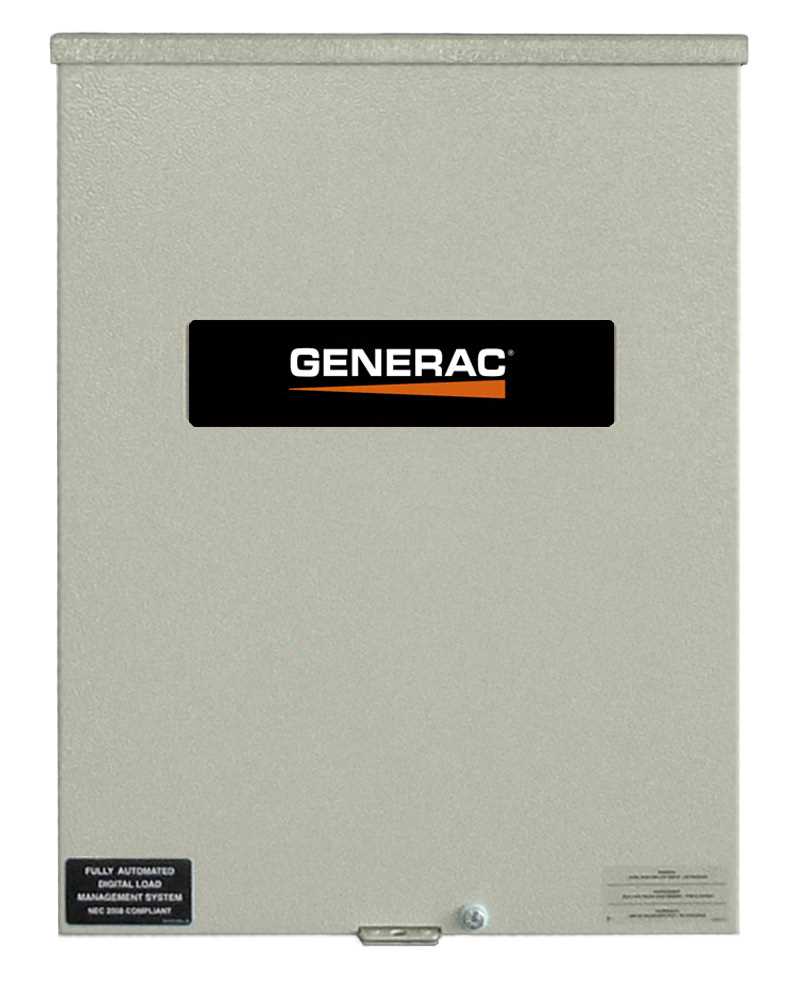
Locate the standby power control panel near the main breaker box and verify conductor routes before connecting any cables. A typical residential standby generator setup uses two hot lines (L1 and L2), a neutral conductor, and a ground bond. Each line must match the labeled terminals inside the standby power control cabinet to prevent backfeed into the utility line.
Confirm conductor sizes before installation. Homes with a 200-amp service usually require copper conductors rated at 2/0 AWG for the main feed between the service panel and the generator control cabinet. Undersized conductors heat under load and trigger breaker trips during high demand such as air conditioner startup.
Install the generator input conductors on the designated terminals inside the standby control enclosure while keeping utility supply lines separated on their own lugs. Neutral conductors remain continuous between the service panel and the generator system, while the grounding conductor bonds directly to the enclosure frame. Maintain clean routing with cable clamps and avoid sharp bends tighter than the manufacturer bend radius for heavy gauge cable.
After completing the connections, simulate a grid outage by turning off the main breaker. The standby generator should start within several seconds and route electrical load through the standby control unit. Restore utility supply afterward and confirm that the system returns the household circuits back to the grid source without delay.
Generac Automatic Transfer Switch Wiring Diagram for Home Generator Power Connection
Mount the standby power control cabinet within 3–10 feet of the main breaker panel and route conduit for incoming utility conductors, generator supply lines, and load cables. Shorter conductor paths reduce voltage drop and simplify service access during inspection.
Identify the three primary connection groups inside the cabinet. Each group routes electricity between the utility grid, the standby generator set, and the household distribution panel.
Utility supply lines from the meter enter the cabinet through heavy-gauge conductors labeled L1 and L2. These two phase lines attach to the utility terminals at the upper contact block. Torque terminal lugs according to manufacturer specifications, usually between 180 and 250 in-lb for copper conductors sized 2/0 AWG. Loose lugs create heat buildup during high current draw such as HVAC startup.
The generator feed connects to a second terminal group inside the enclosure. Two hot conductors carry output from the standby engine generator set, while the neutral conductor attaches to the shared neutral bar. Maintain correct color identification for each conductor:
Black or red for phase lines, white for neutral, and green or bare copper for grounding.
Load conductors running toward the household breaker panel attach to the output terminals. These conductors carry power from whichever source is active at the moment. During a grid outage, the control unit shifts internal contactors and connects the generator feed to these load terminals.
Grounding conductors from the generator frame, the standby power cabinet, and the service panel must bond to a single grounding bus tied to the home grounding electrode system. This bus normally connects to ground rods or a concrete-encased electrode outside the building.
Perform a functional test after completing all cable connections. Shut off the main utility breaker to simulate a power outage. The standby generator should start within several seconds, and the control cabinet should route electrical supply to household circuits. Restore the main breaker afterward and confirm that the system returns the load back to the grid source.
Identifying Utility Line Generator Input and Load Terminals in Generac Transfer Switch Panel
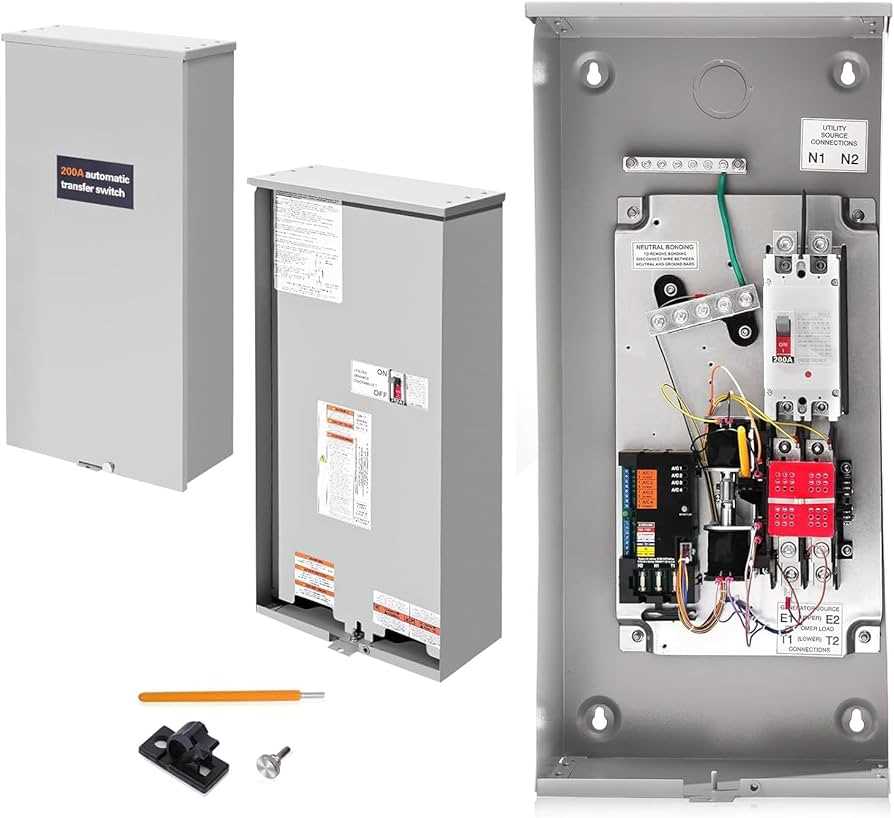
Open the standby power control cabinet and locate the three terminal groups labeled for grid supply, standby generator input, and household load output. These terminal sets usually appear as heavy lug blocks arranged in vertical rows.
Disconnect power at the main breaker before touching any internal conductors. Verify absence of voltage using a multimeter across the incoming phase lines. A reading close to 0 volts confirms the grid supply is isolated.
The upper terminal block commonly receives the incoming utility lines from the meter base. These conductors carry full service current and usually connect through thick copper cables rated for 100–200 amp service.
- L1 phase conductor from the utility meter
- L2 phase conductor from the utility meter
- Neutral conductor routed to the neutral bus bar
The generator input terminals appear on a separate contact block connected to internal relay contactors. These conductors route electricity from the standby generator set once grid supply disappears.
- Phase conductor one from generator output
- Phase conductor two from generator output
- Neutral line connected to the neutral bar
- Ground conductor attached to the enclosure grounding point
The lower terminal section routes electrical supply toward the home distribution panel. These conductors carry electricity regardless of source, depending on the internal contactor position.
Use conductor markers or colored tape during installation to keep the three connection groups separate. Mixing grid lines with load conductors causes power feedback into the utility network, which may damage equipment or create danger for line technicians.
After completing the connections, inspect torque on each lug using a calibrated torque screwdriver. Terminal screws usually require tightening between 180 and 275 in-lb depending on conductor size.